
Duration: 10 days / 9 nights
Participants: 15 photographers
Booking Price: € 2500 per person (single room 4 stars hotel)
Early Bird Registration:€ 2250 (valid until Mai 1ˢᵗ 2026)
With extensive experience in organizing photography tours, workshops, and international exhibitions, the two organizations bring together professional photographers, visual artists, and passionate enthusiasts in carefully curated locations of outstanding natural beauty and cultural value. Their shared mission is to preserve visual heritage, encourage artistic excellence, and support meaningful encounters between photography, tradition, and local communities.

The Zestrea Silvană Association is a non-governmental organization, established with the aim of valorizing cultural-historical products in unitary concepts, as well as designing and developing specific projects at a regional level.
The purpose of the Association is to promote photographic art in all its forms as an artistic and cultural act, as well as any other such educational activities related to photographic art and culture.
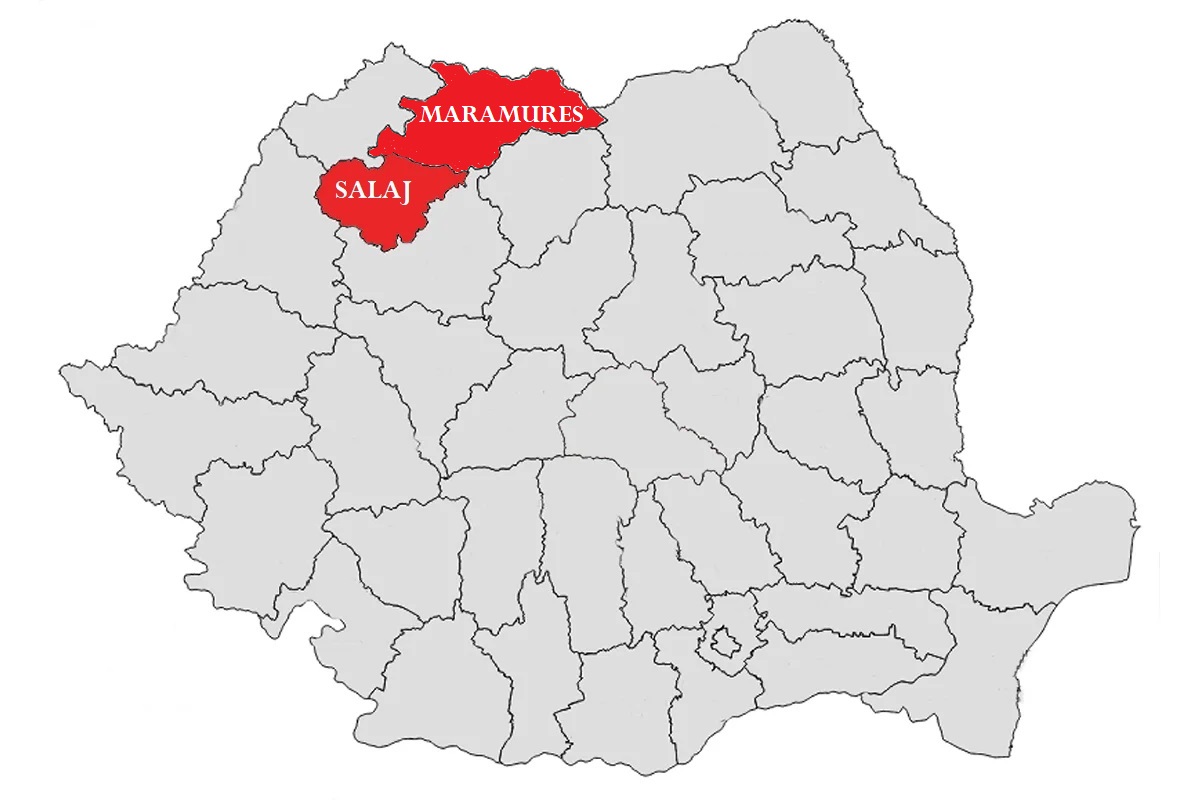
Recommended base locations: Zalău/ Jibou/ Porolissum/ Șomeș Guruslău/ Valcău/ Borla/ Domnin.
An ideal region for:
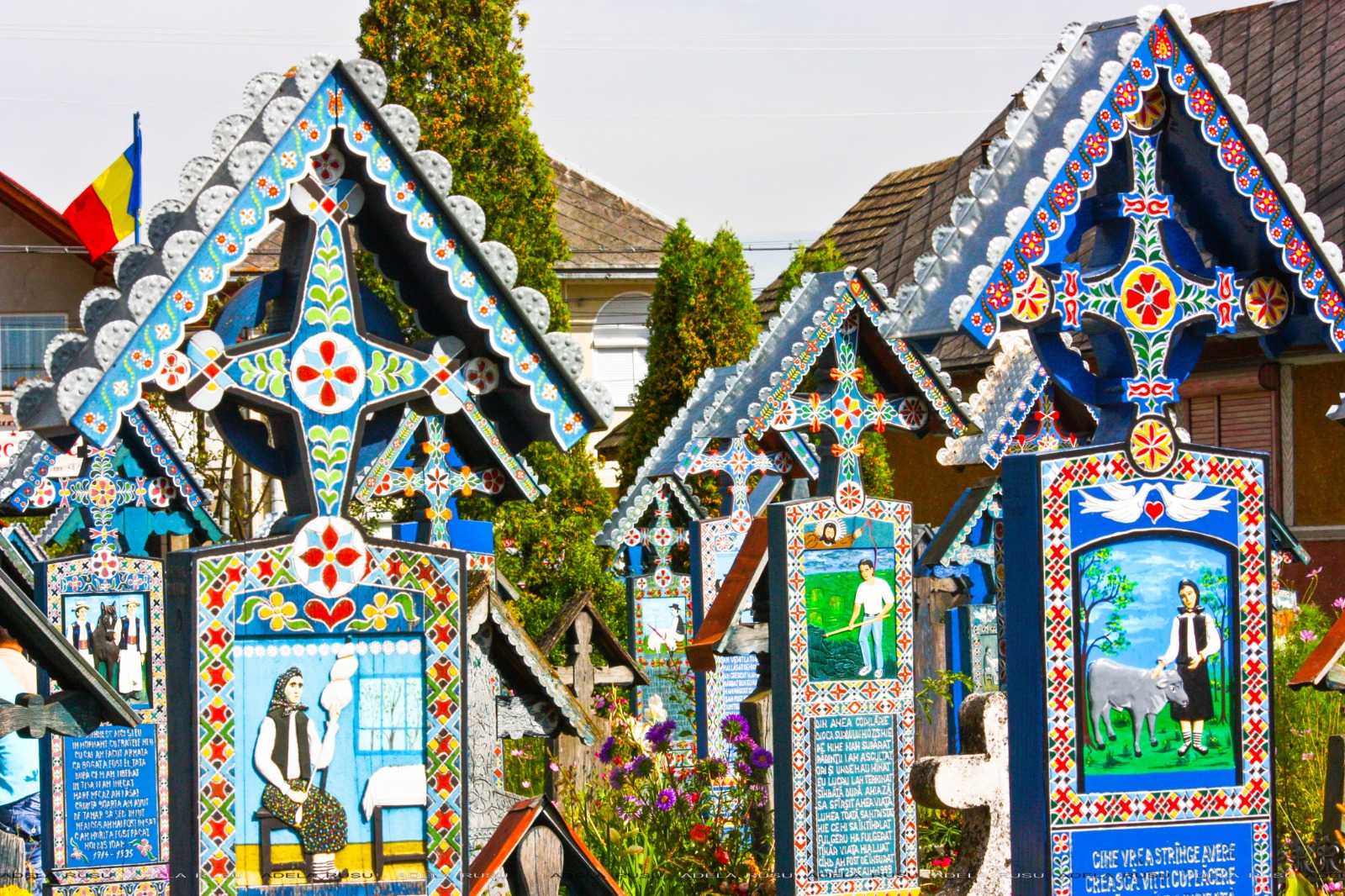
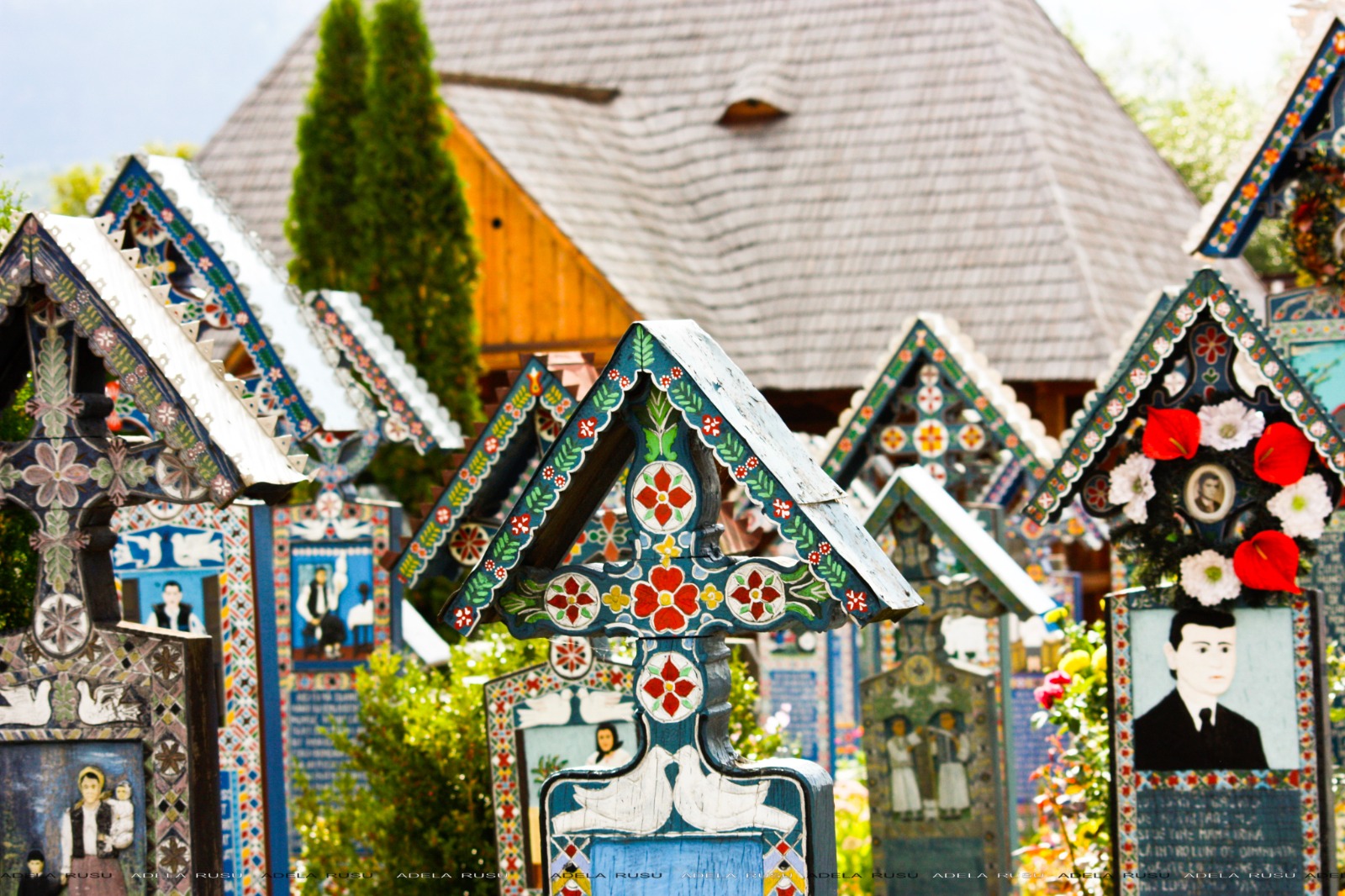
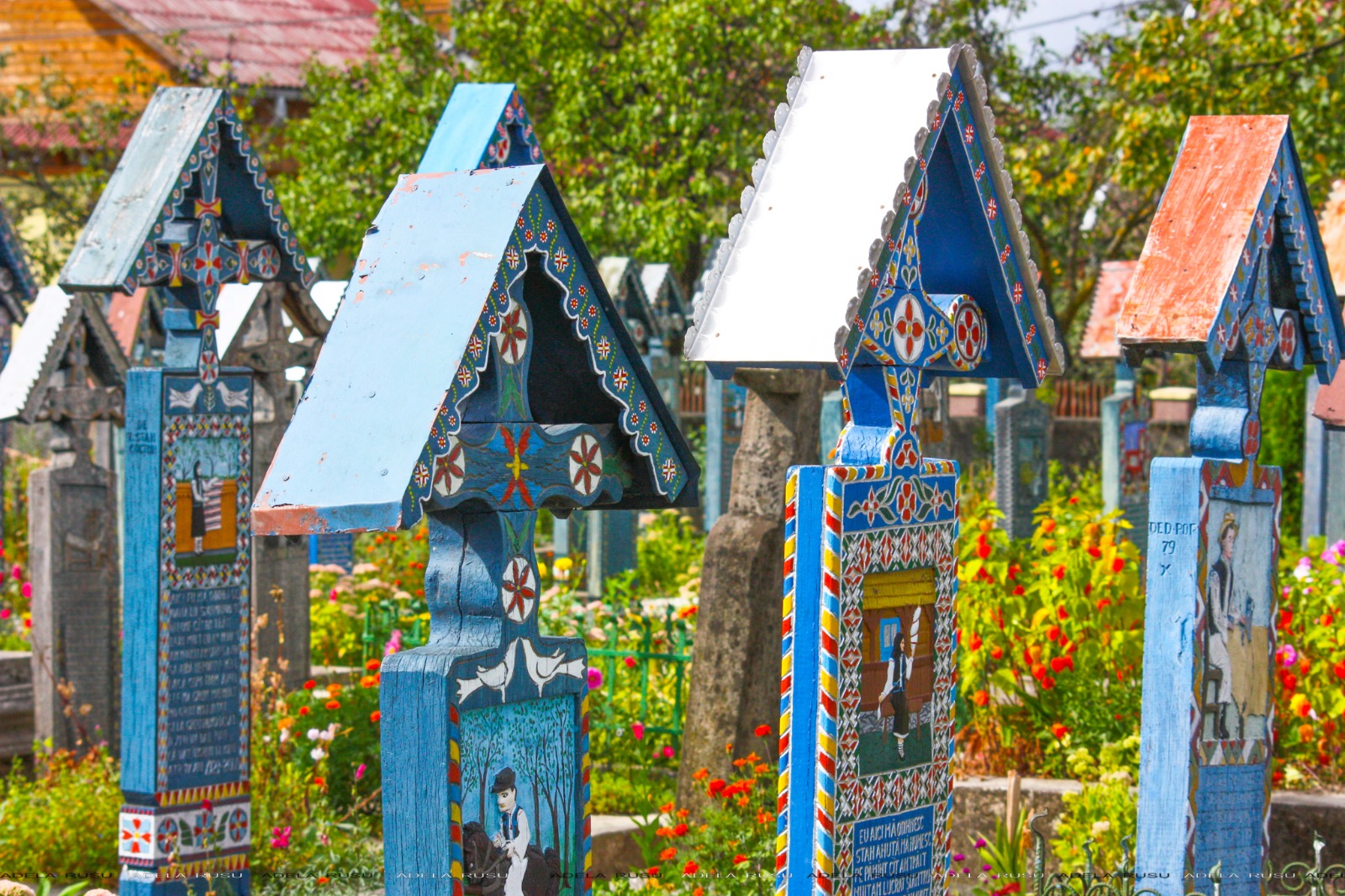
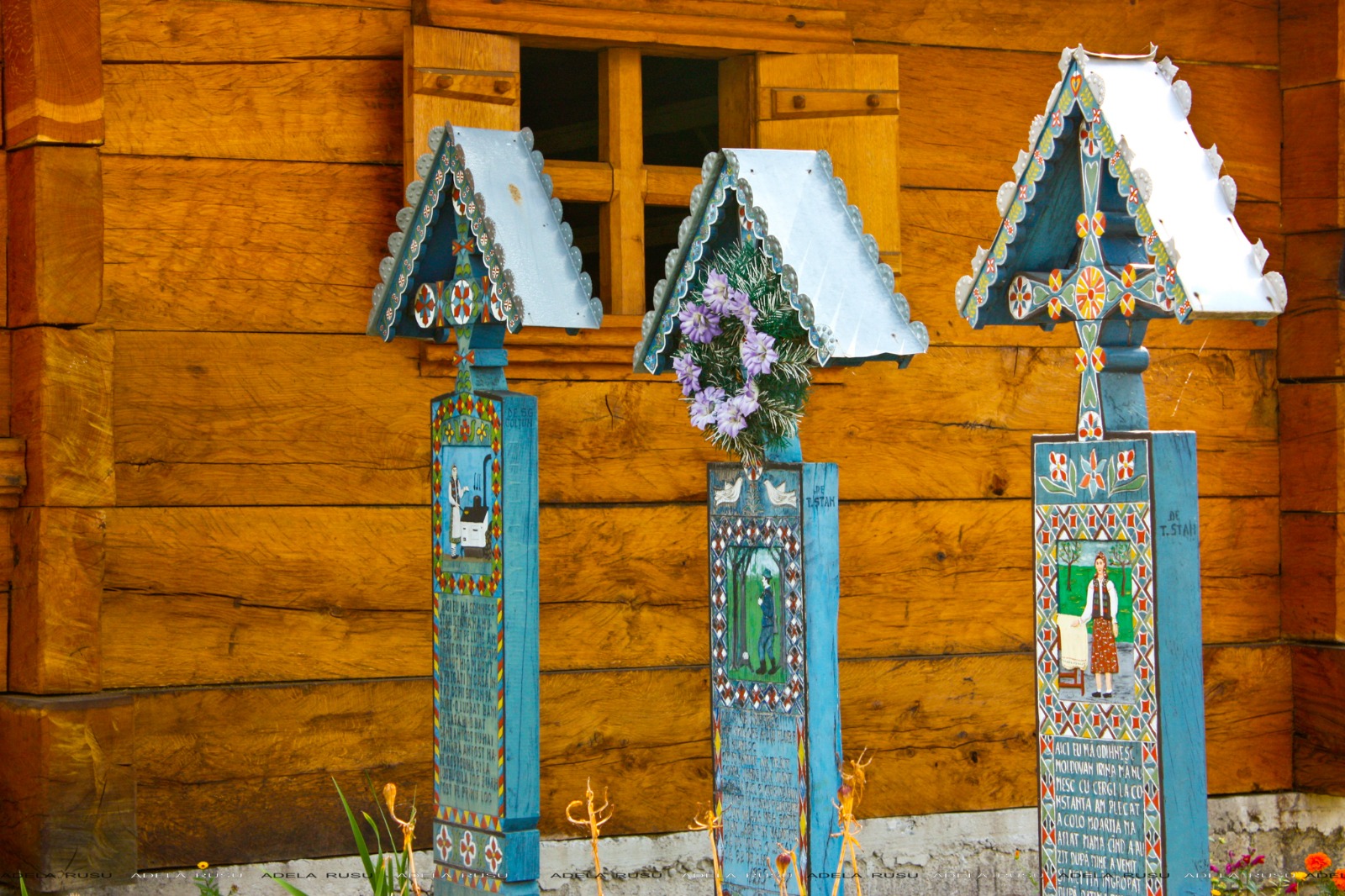
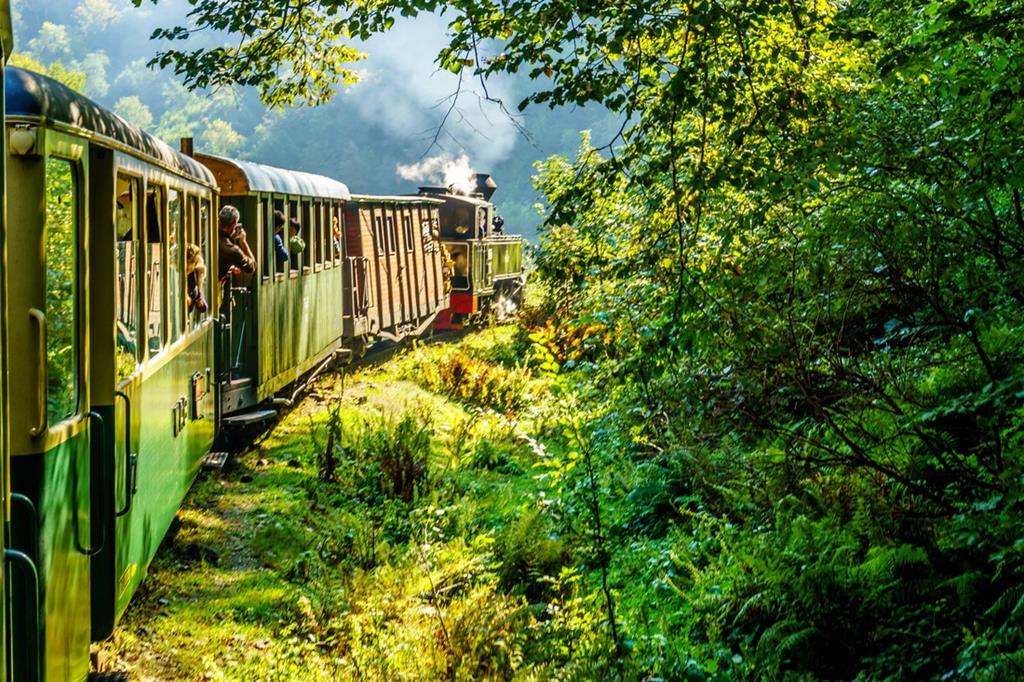
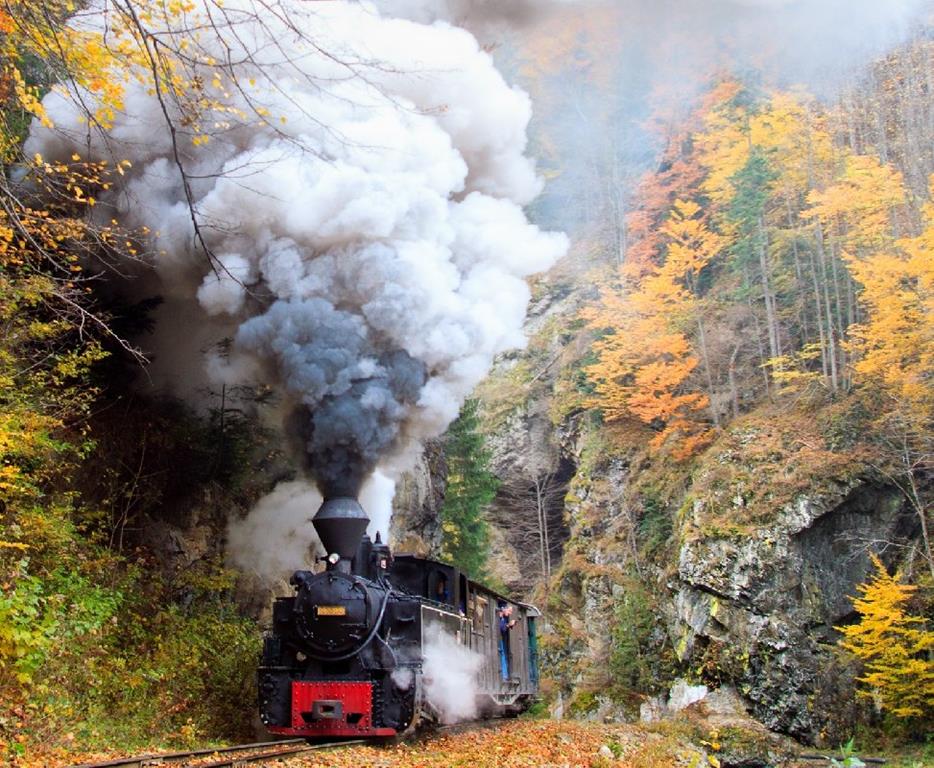
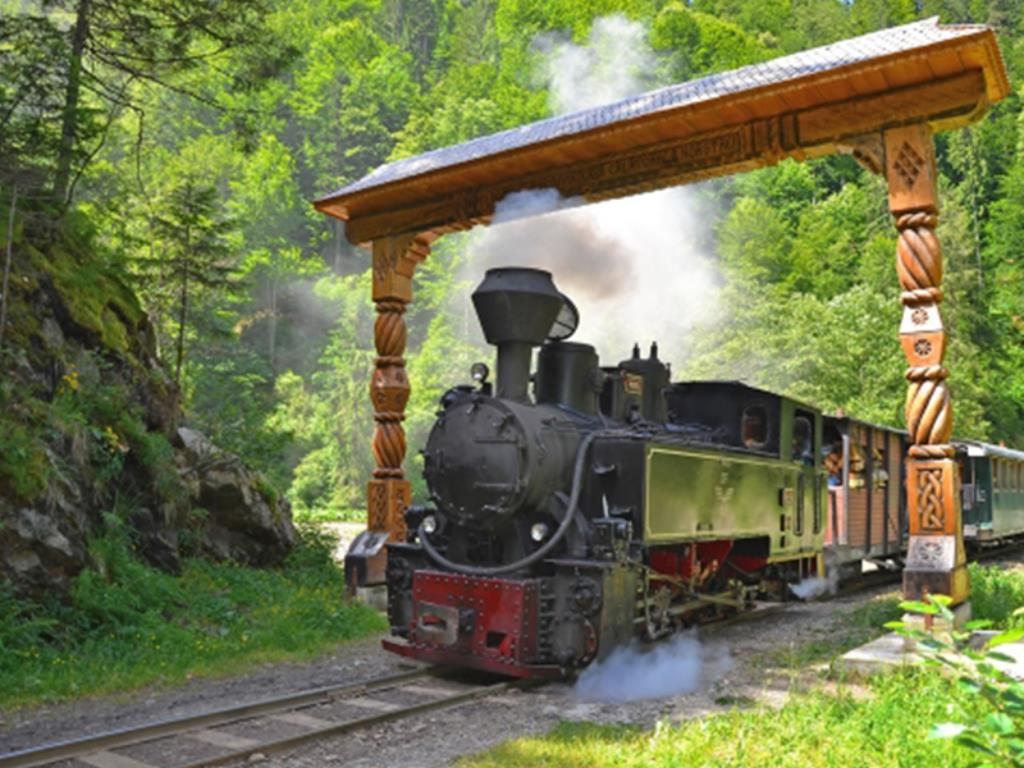
High visual impact → emotional conclusion of the workshop. Travel to Maramureș County – Săpânța – tradițional heritage. Merry Cemetery of Săpânța, Mocănița Steam Train - Viseu. Baia Sprie and Muzeul Satului Baia Mare
An ideal region for:
• hotel check-in
• personal project presentation • ethics briefing & visual style introduction
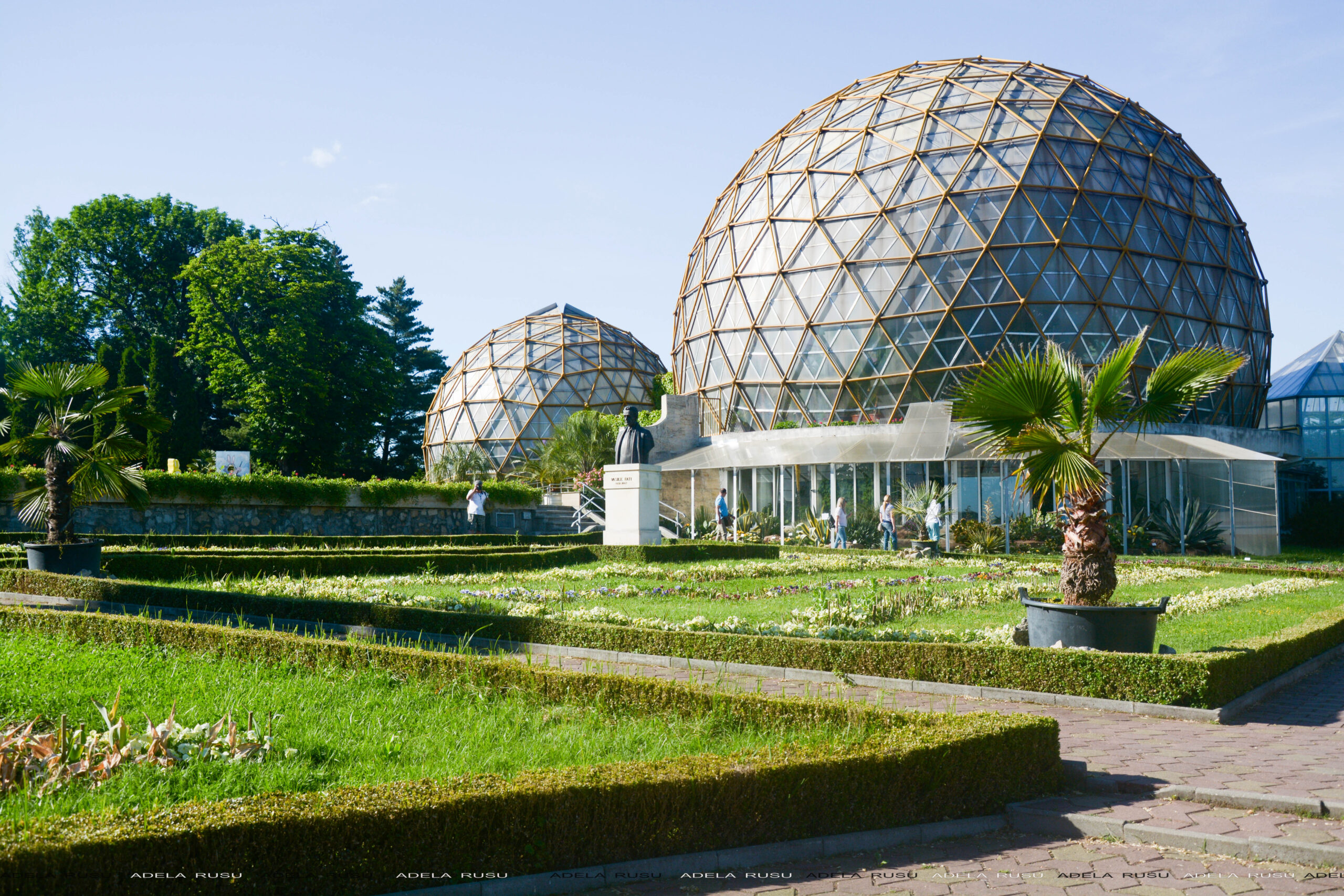
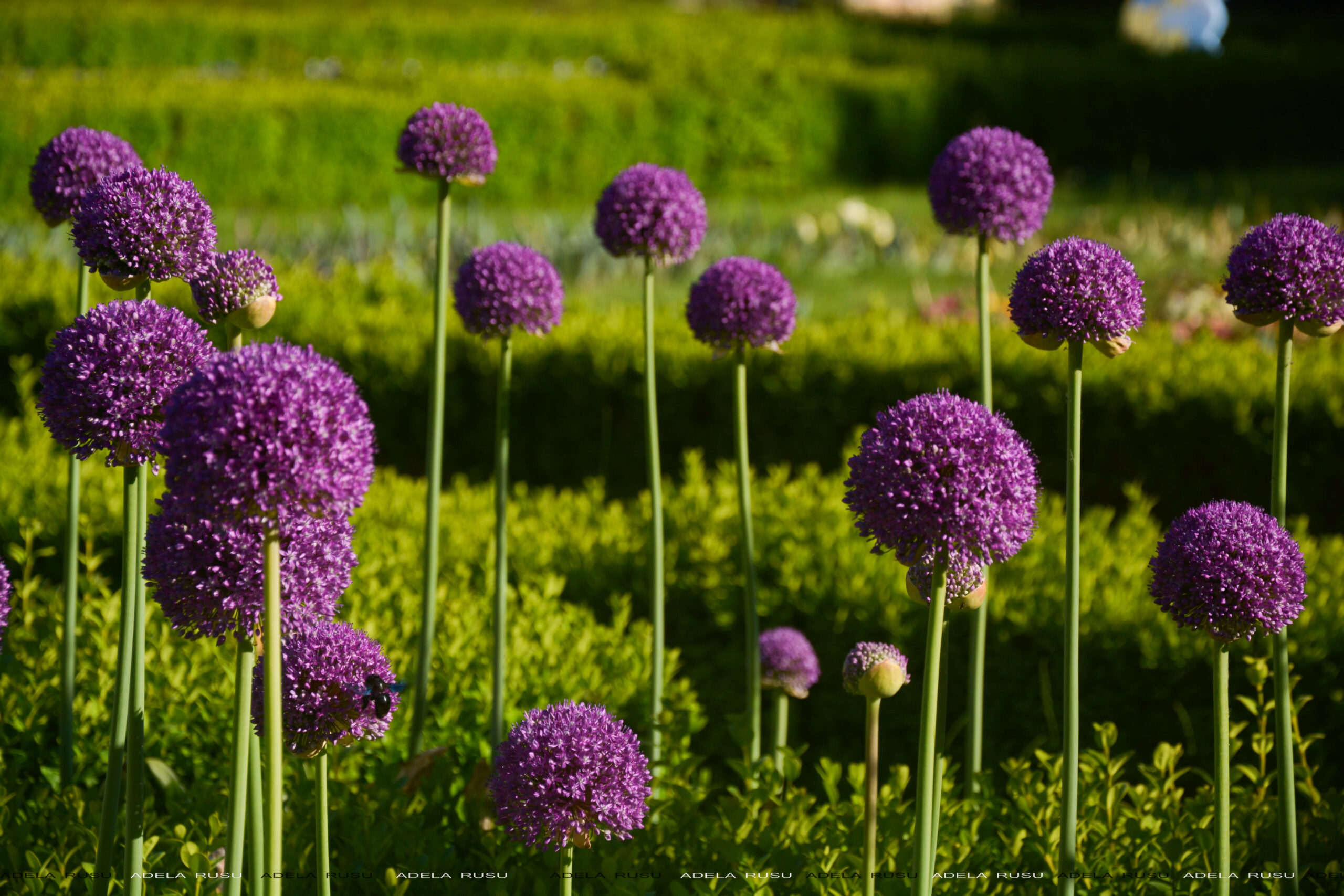
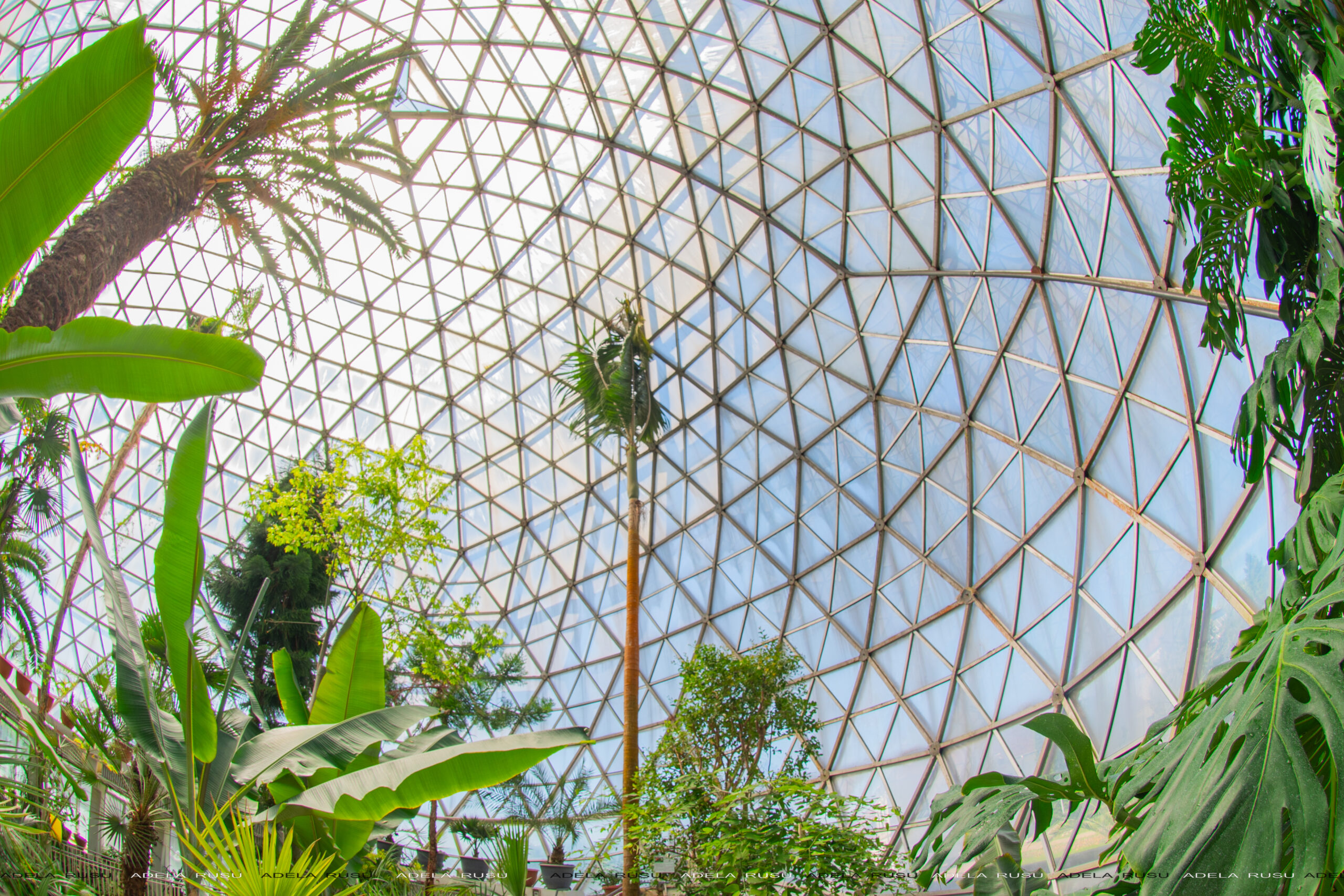
A large botanical complex combining landscaped outdoor gardens and greenhouse areas, home to a wide range of plant species from different climate zones. The site offers a calm, well-structured environment where nature, design, and biodiversity come together, making it an ideal place for slow exploration and immersion in a natural setting.
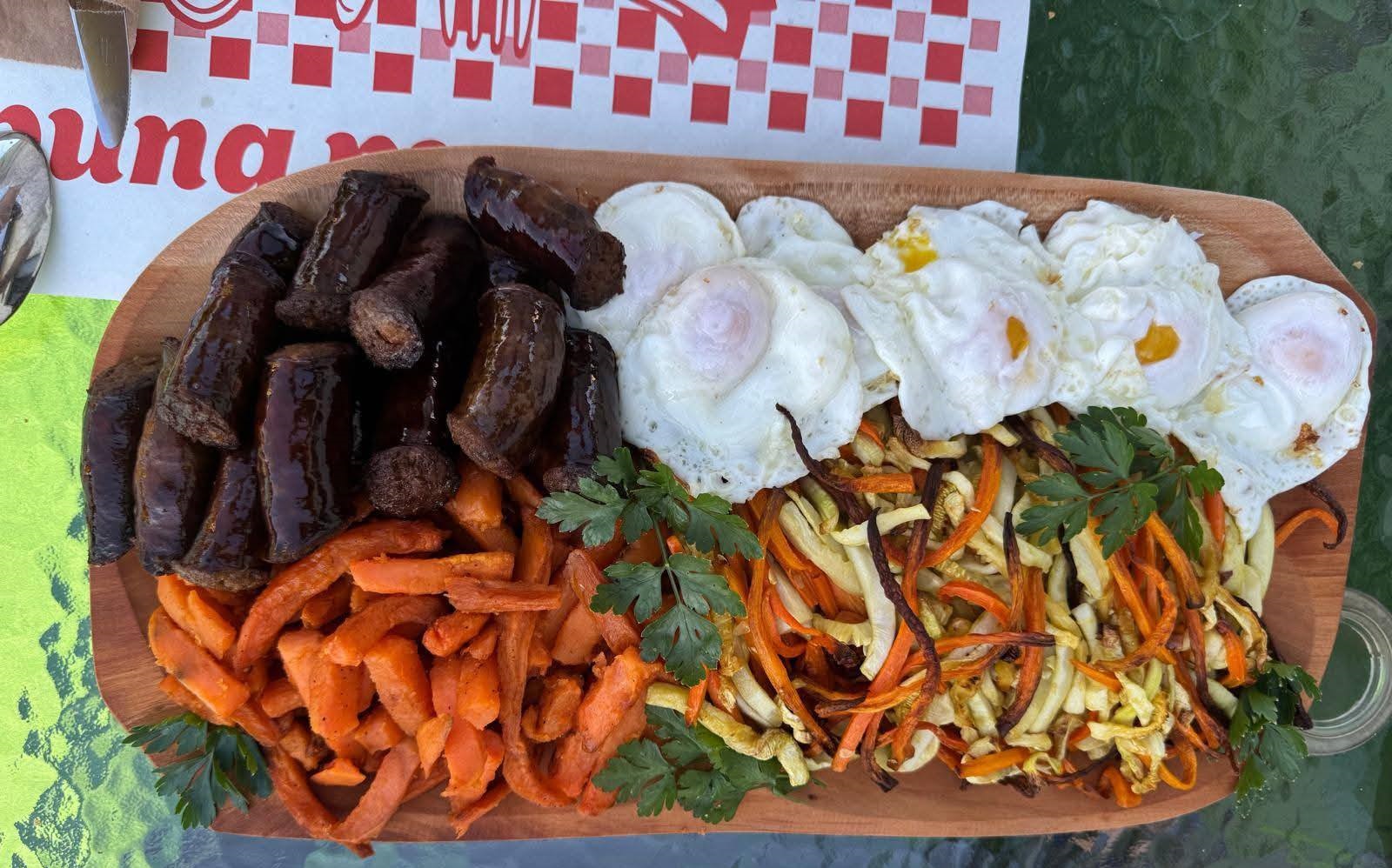
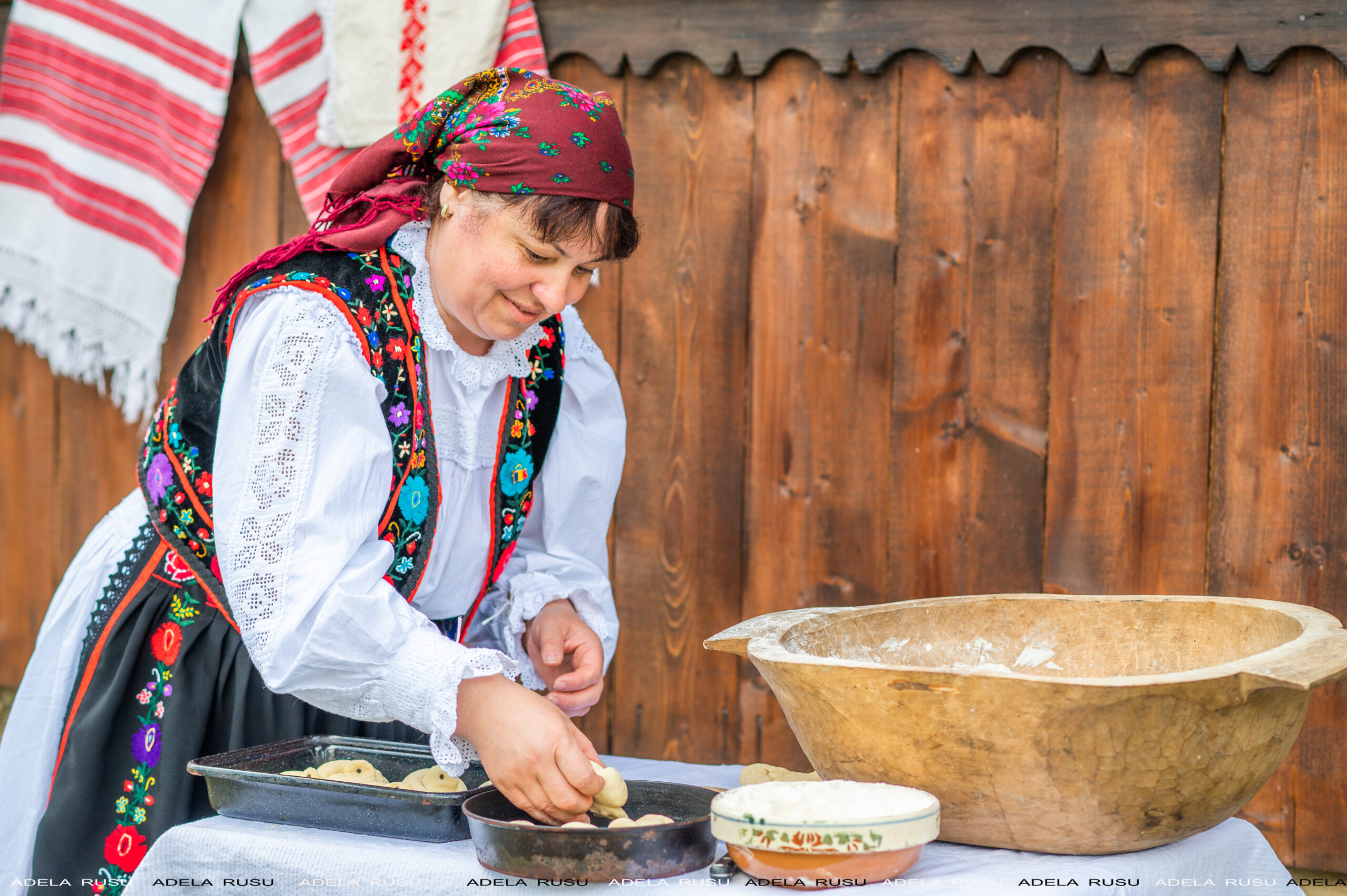
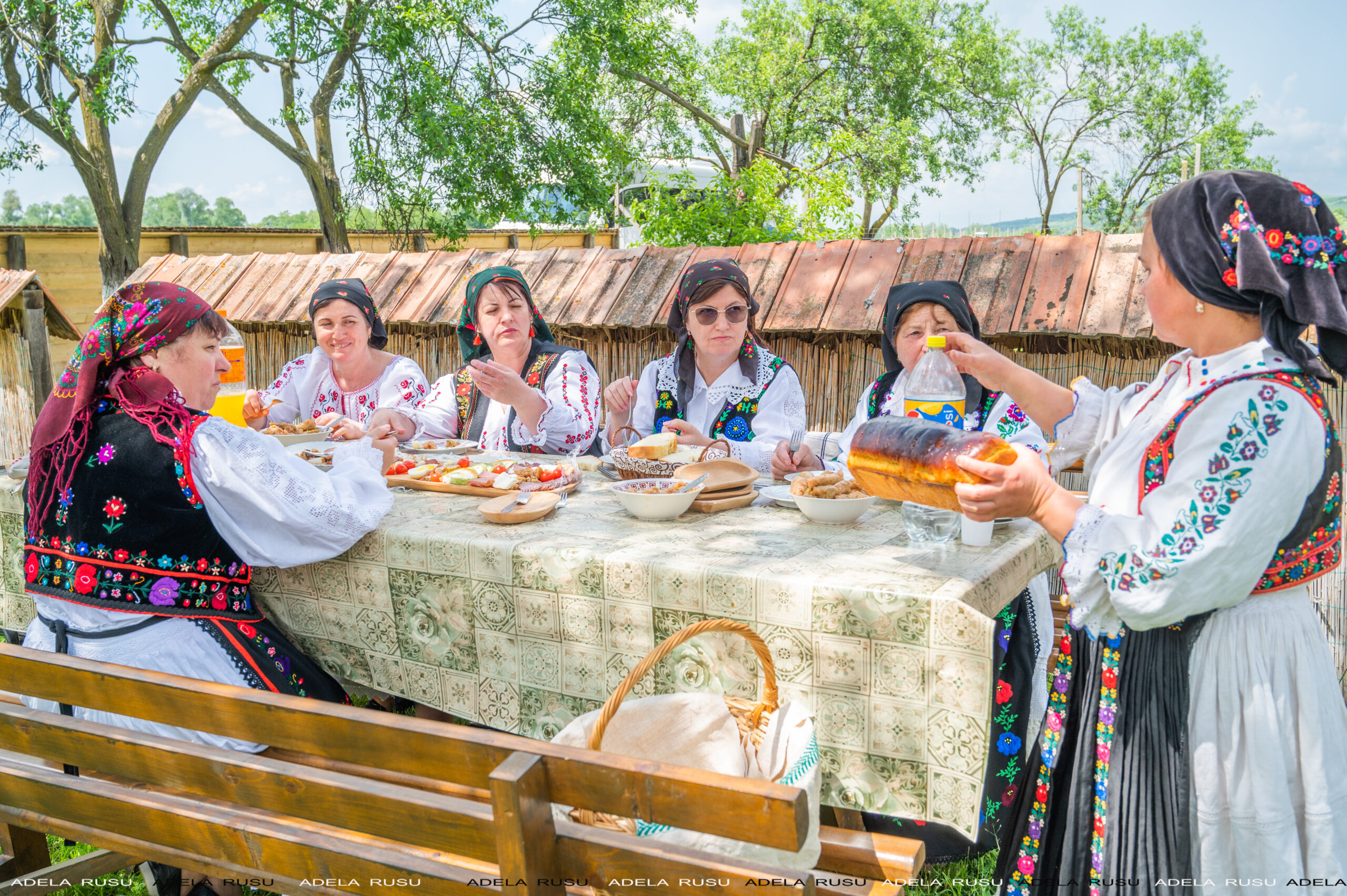
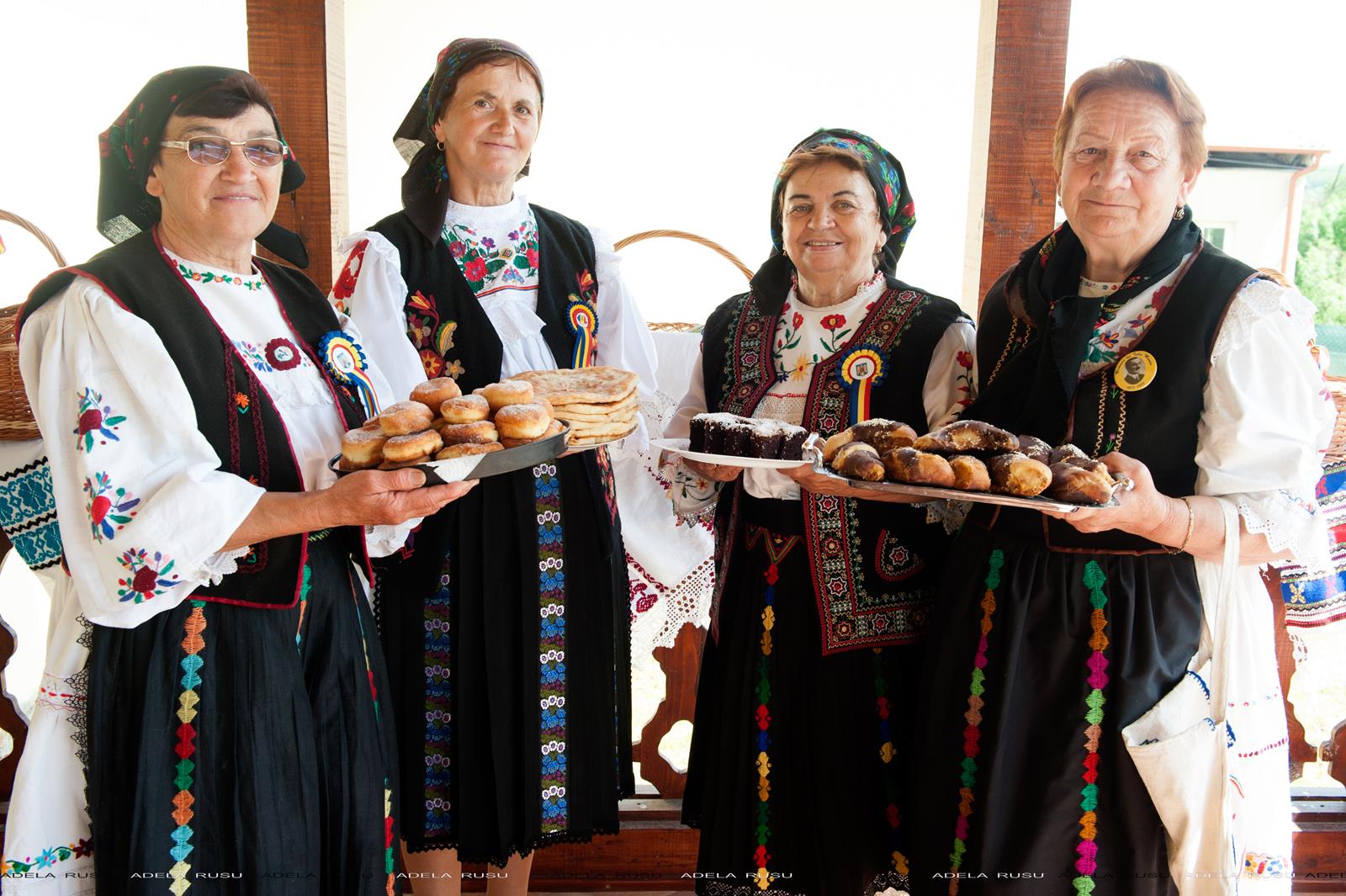
A curated culinary experience focused on local ingredients and traditional Transylvanian recipes, set in a relaxed rural environment near the ancient site of Porolissum. The session offers insight into regional food culture, seasonal flavors, and the connection between gastronomy, landscape, and local identity.
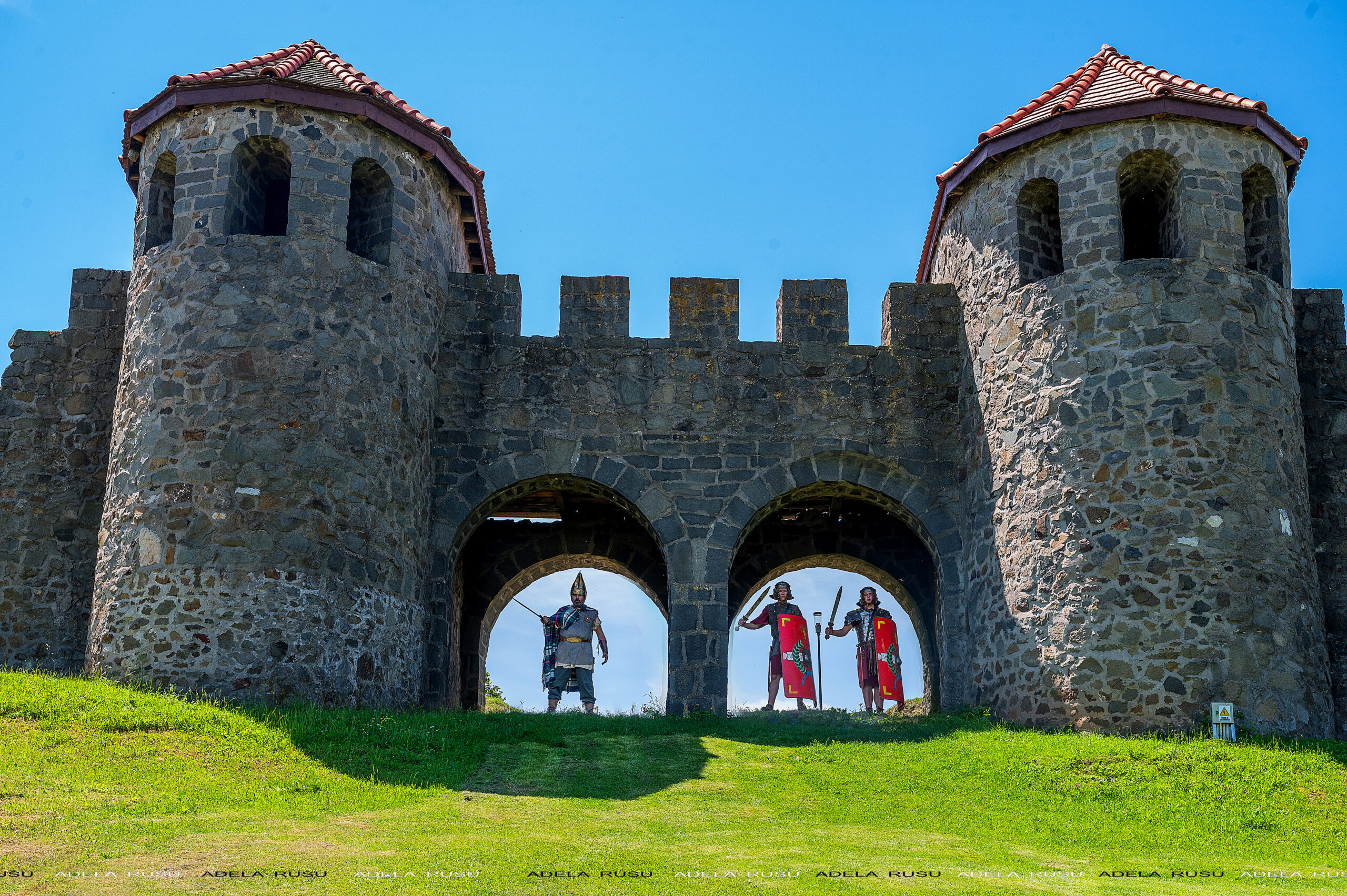
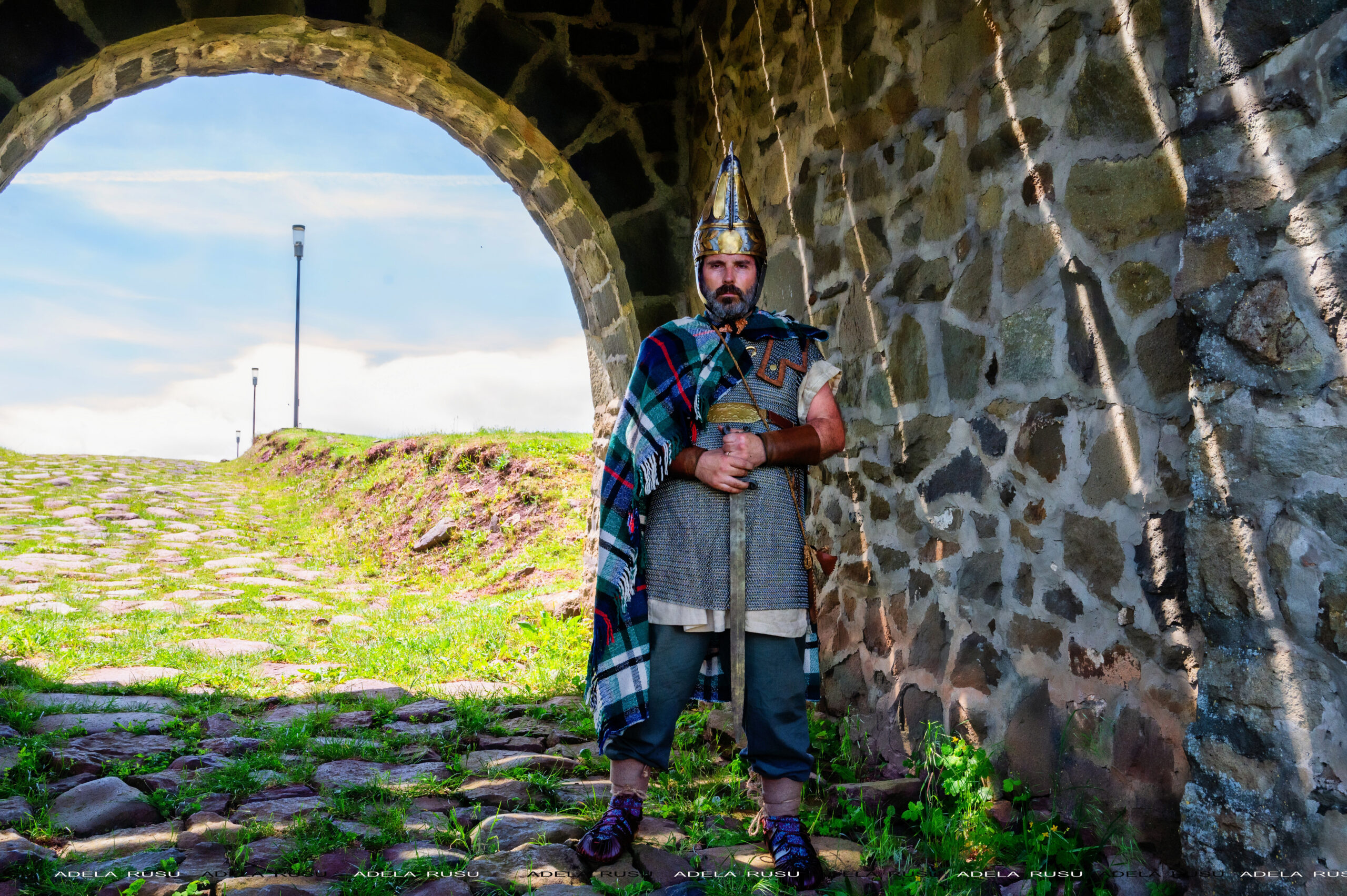
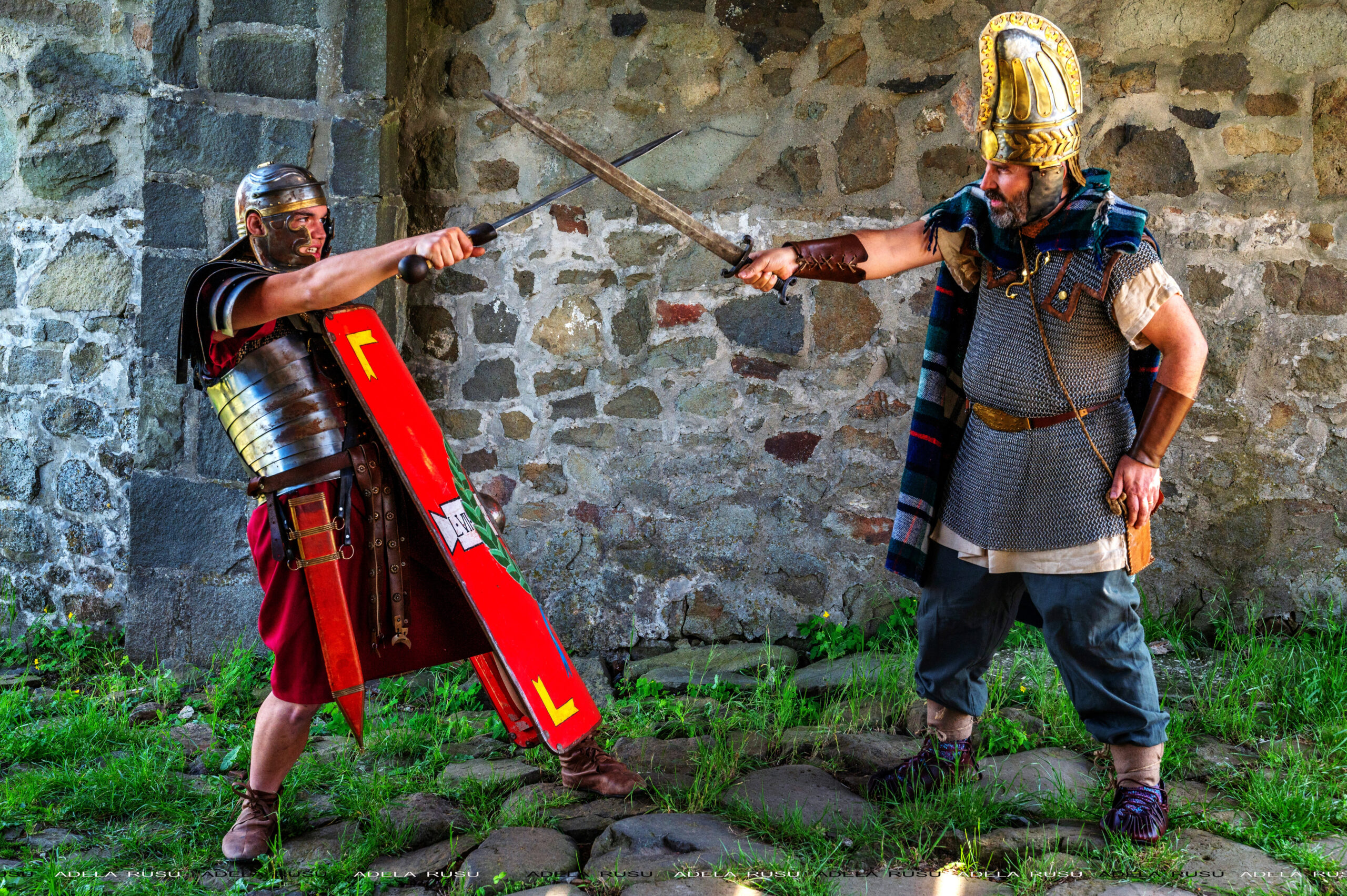
An extensive archaeological site preserving the remains of a former Roman frontier settlement, offering a clear insight into ancient urban structure, military life, and daily routines. The reenactment session brings history to life through period costumes and demonstrations, creating a vivid connection between the landscape and its Roman past.
• composition, scale, and minimalism • color and tonal exercises
• abstract and wide-angle photography • macro and detail photography
• visual storytelling exercises • evening guided editing session
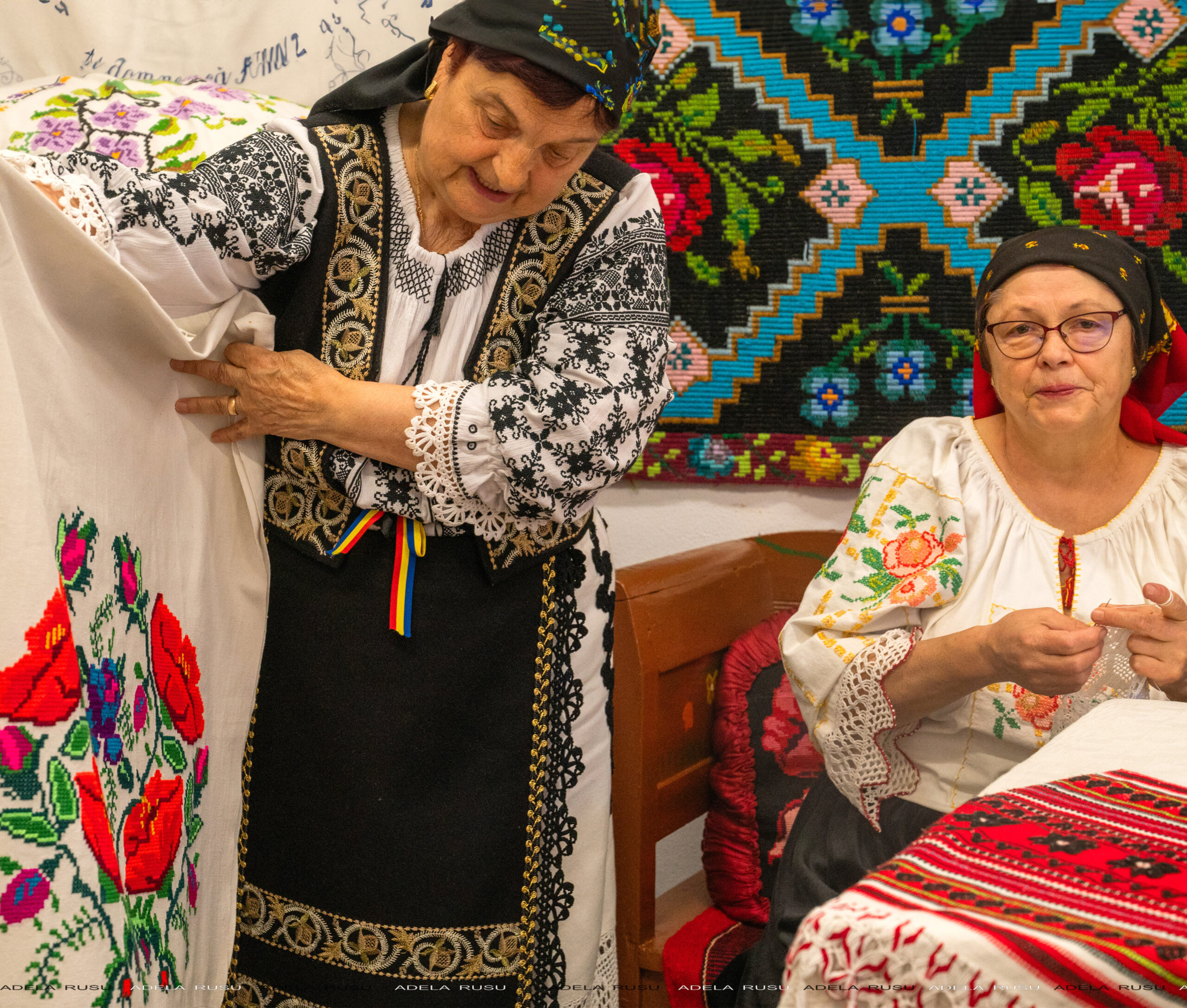
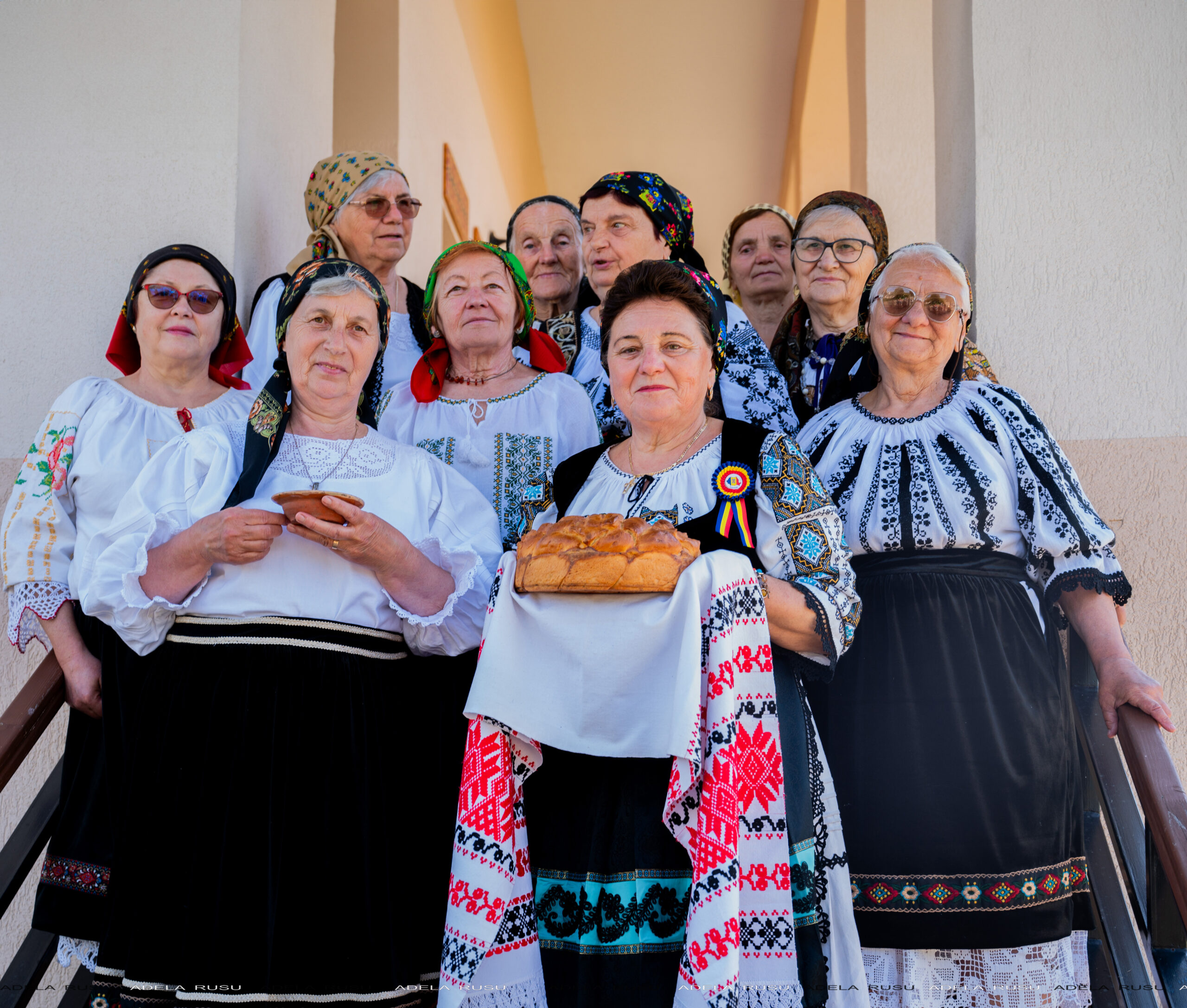
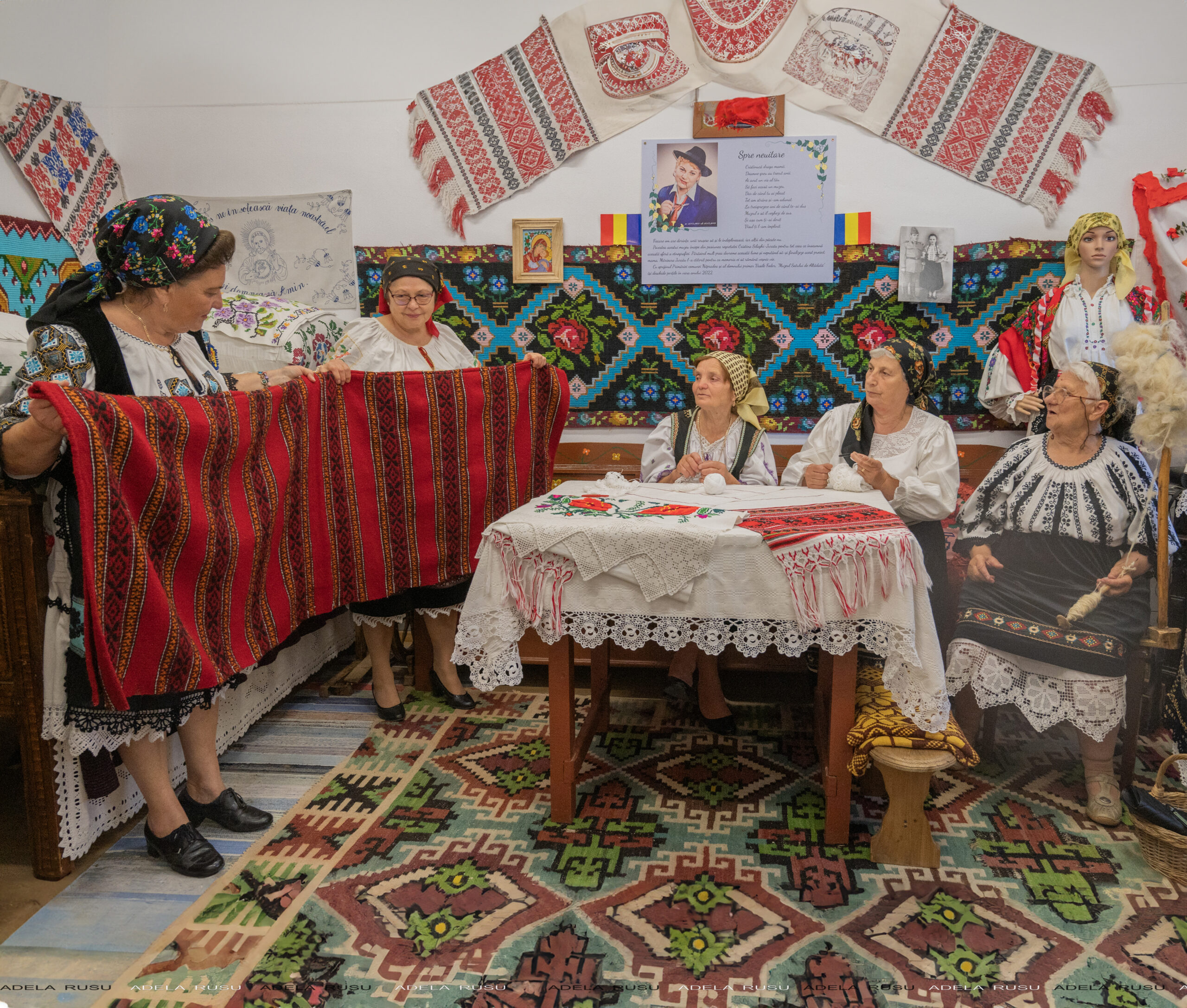
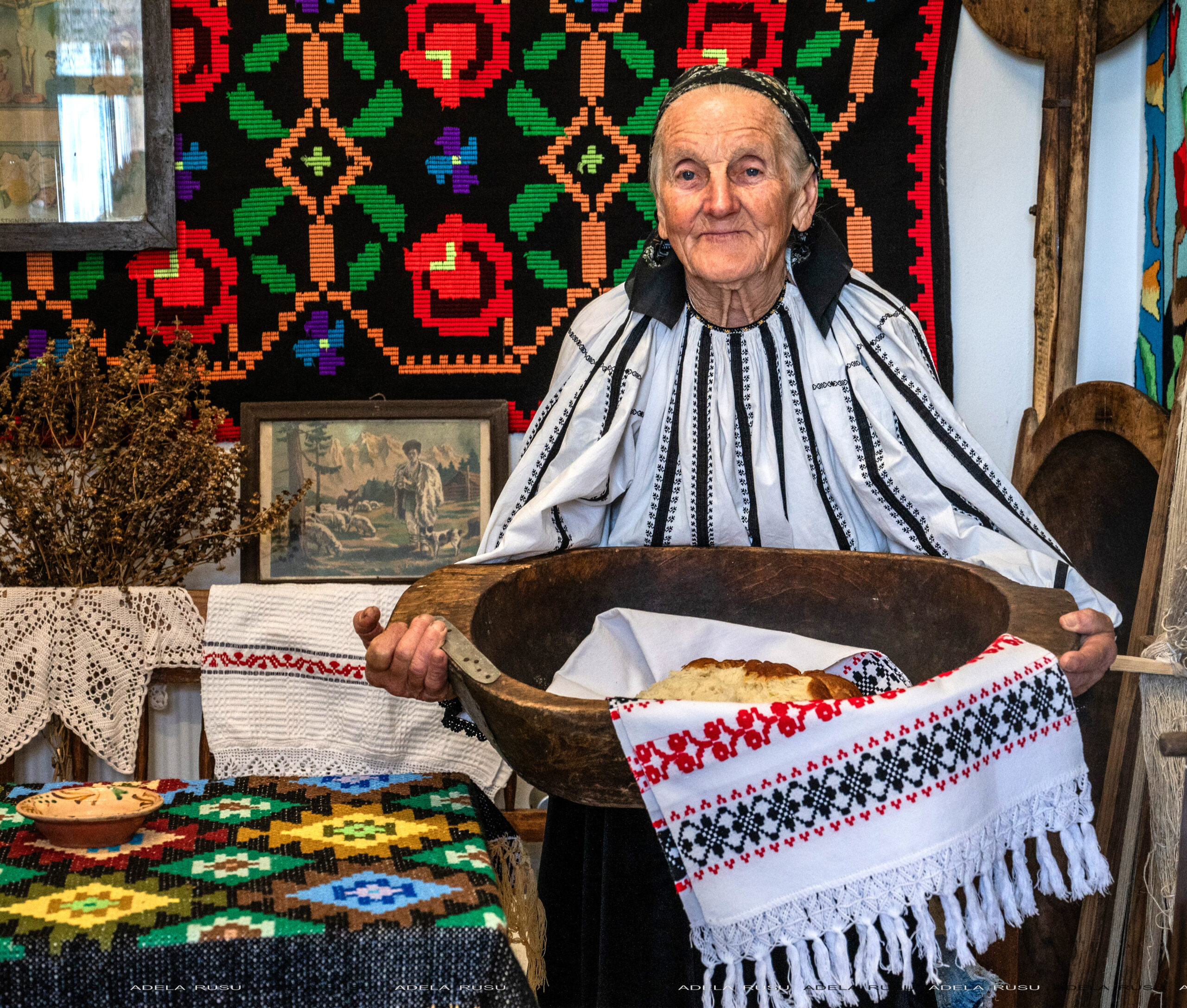
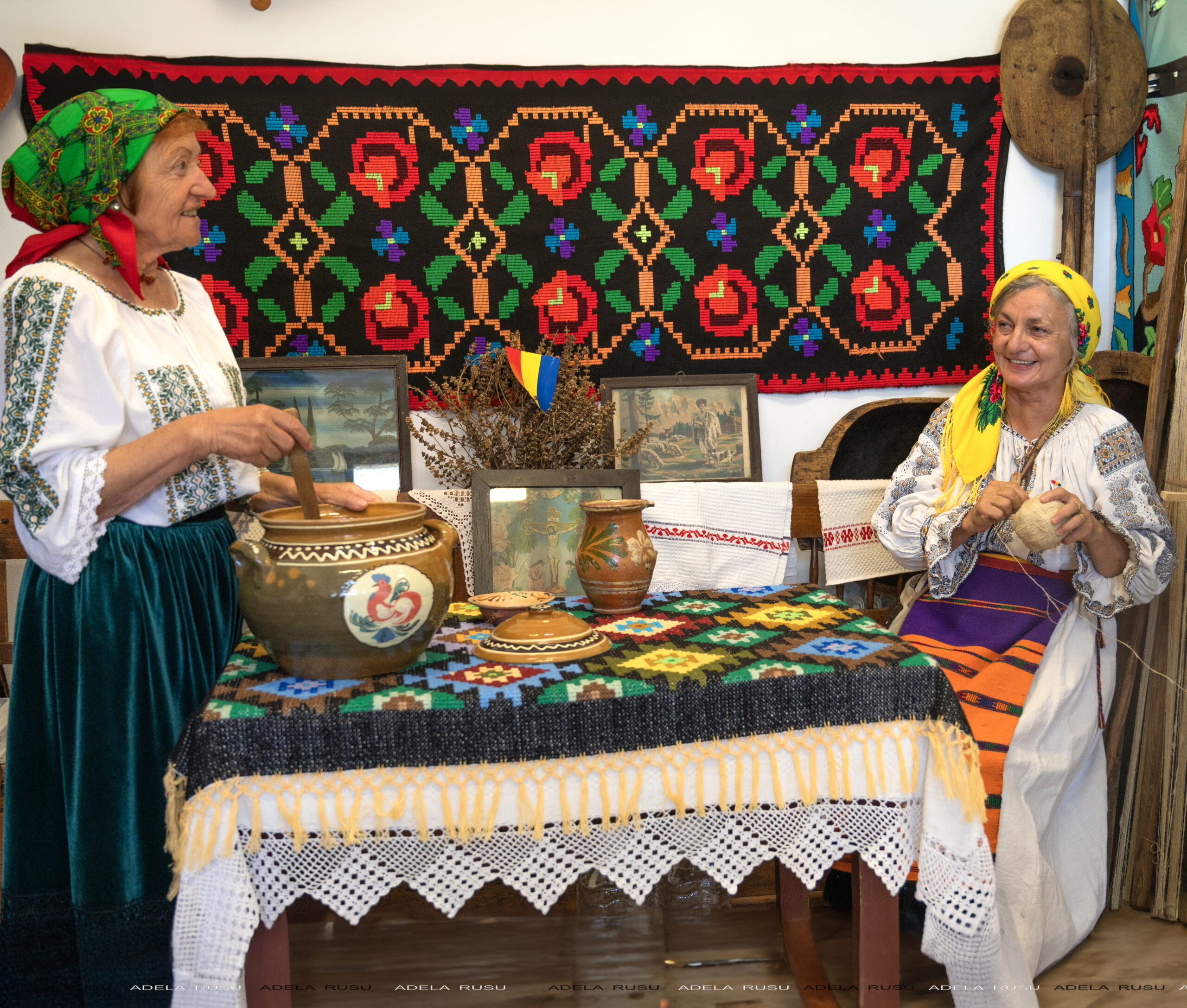
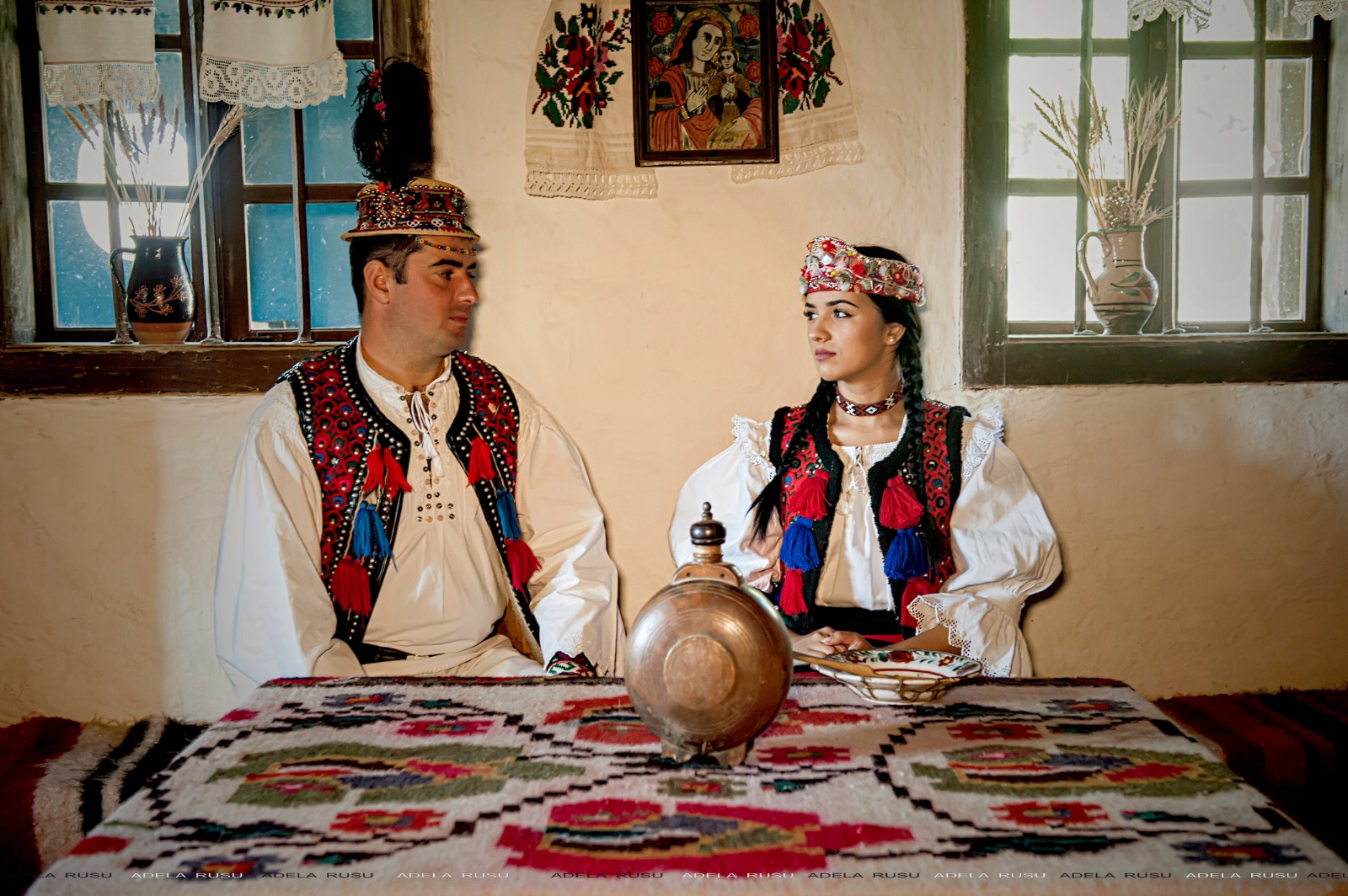
A small community-based museum dedicated to traditional forms of greeting, social interaction, and local customs preserved in rural Transylvania. The space reflects everyday gestures, symbols, and values that shaped village life, offering an intimate perspective on social traditions and cultural continuity.
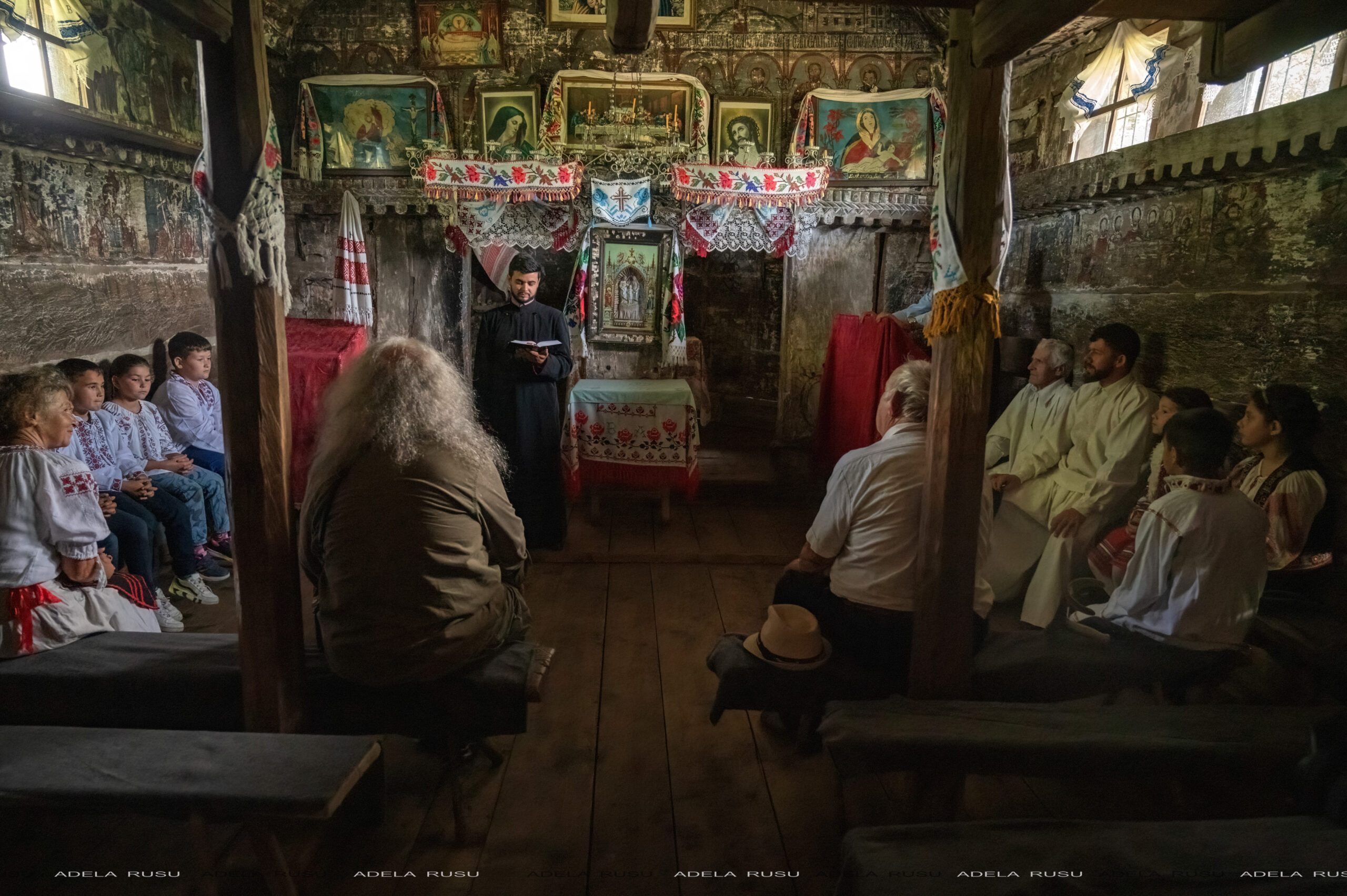
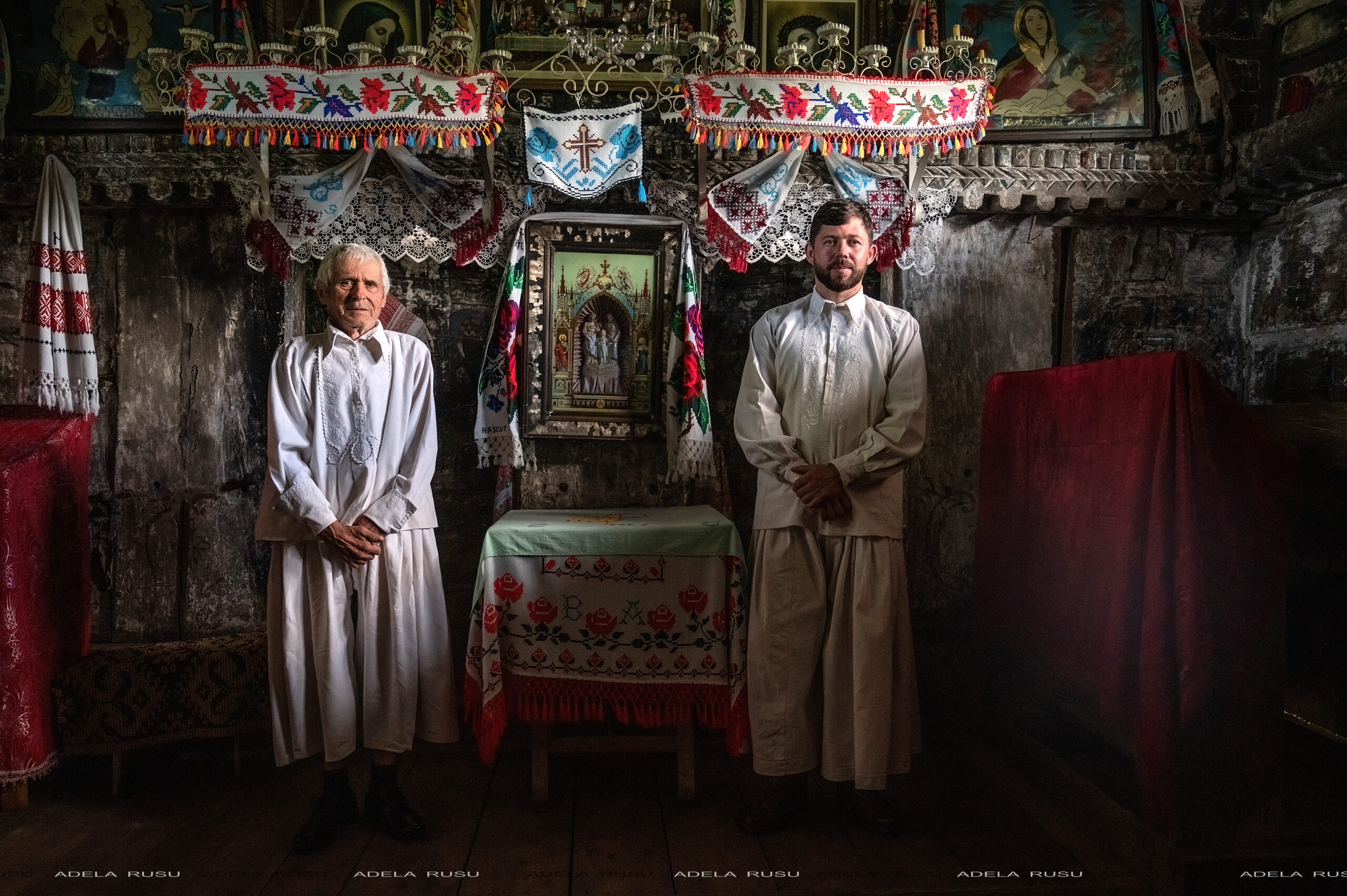
A traditional wooden church representative of rural Transylvanian sacred architecture, built using local materials and craftsmanship. The site reflects the spiritual life of the community through its simple structure, interior paintings, and symbolic details, preserved in a quiet village setting.
Local craftsmen continuing long-established woodcarving traditions, working with hand tools and techniques passed down through generations. Their work reflects regional motifs, religious symbols, and everyday objects, offering insight into the role of woodcraft in rural Romanian culture and community life.
• wide-angle and detail-based imagery
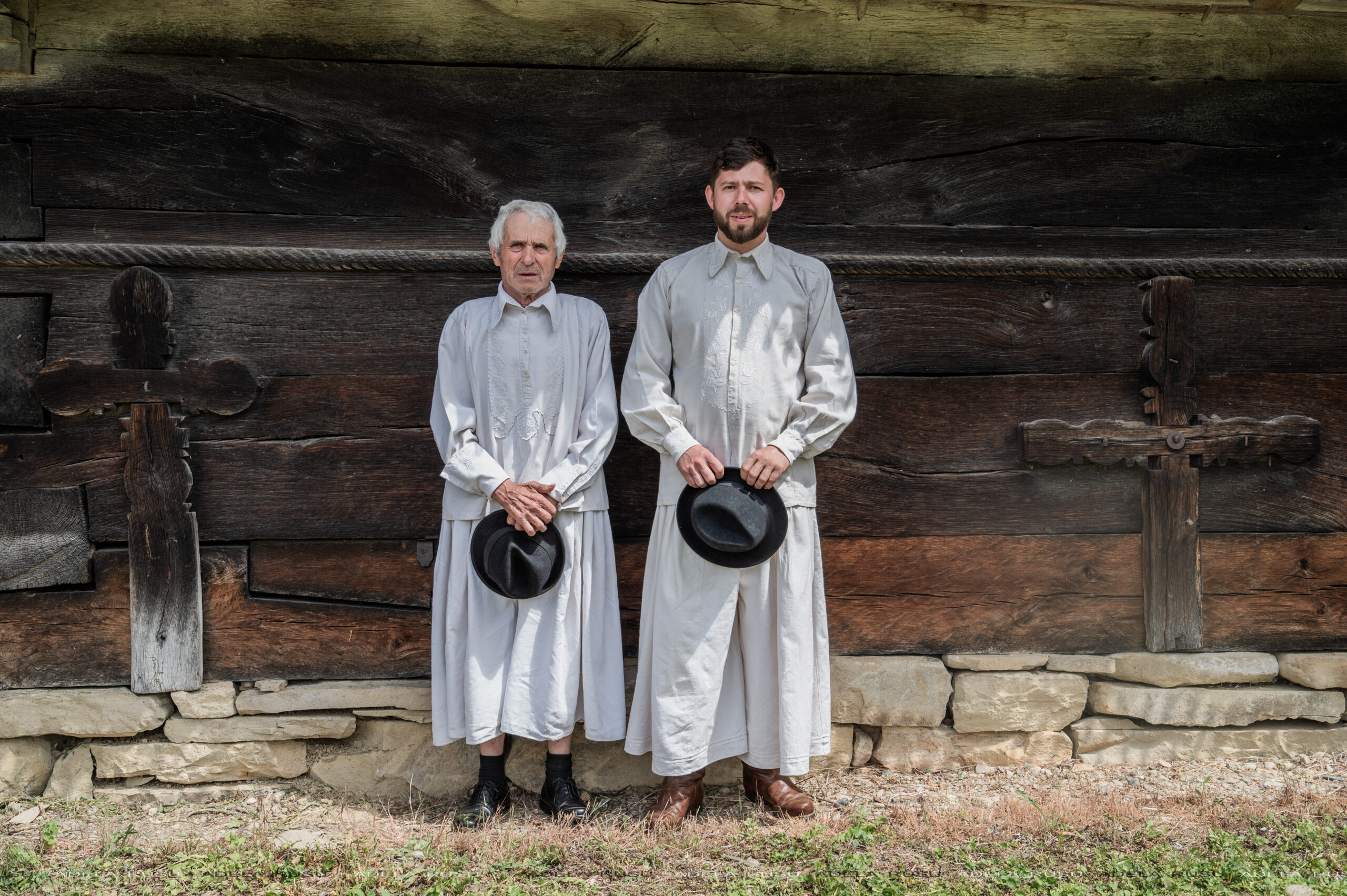
• environmental portraiture • family museum • village life activities
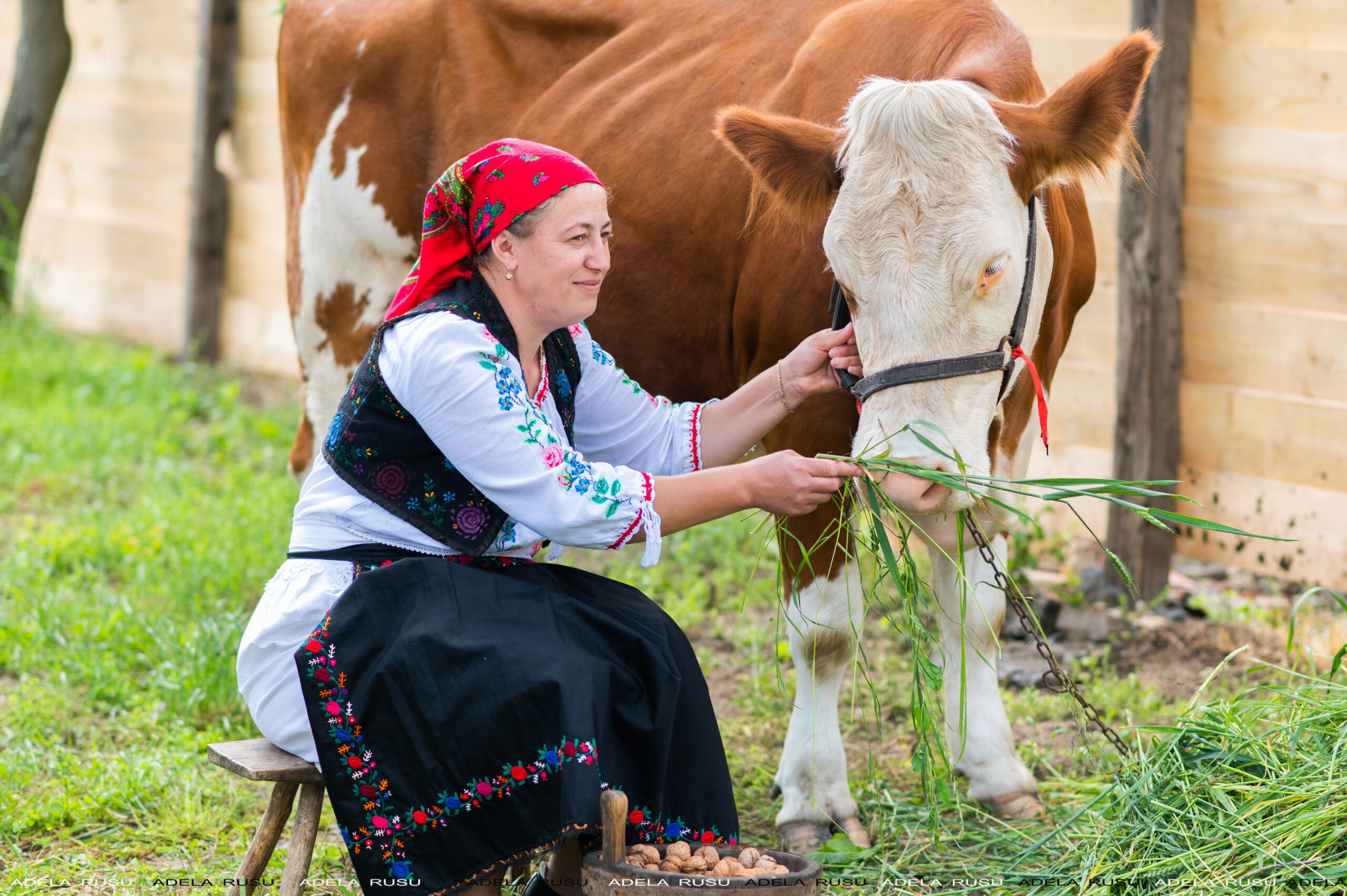
• rural gastronomy • rural daily life documentation • community interaction • interior natural-light photography
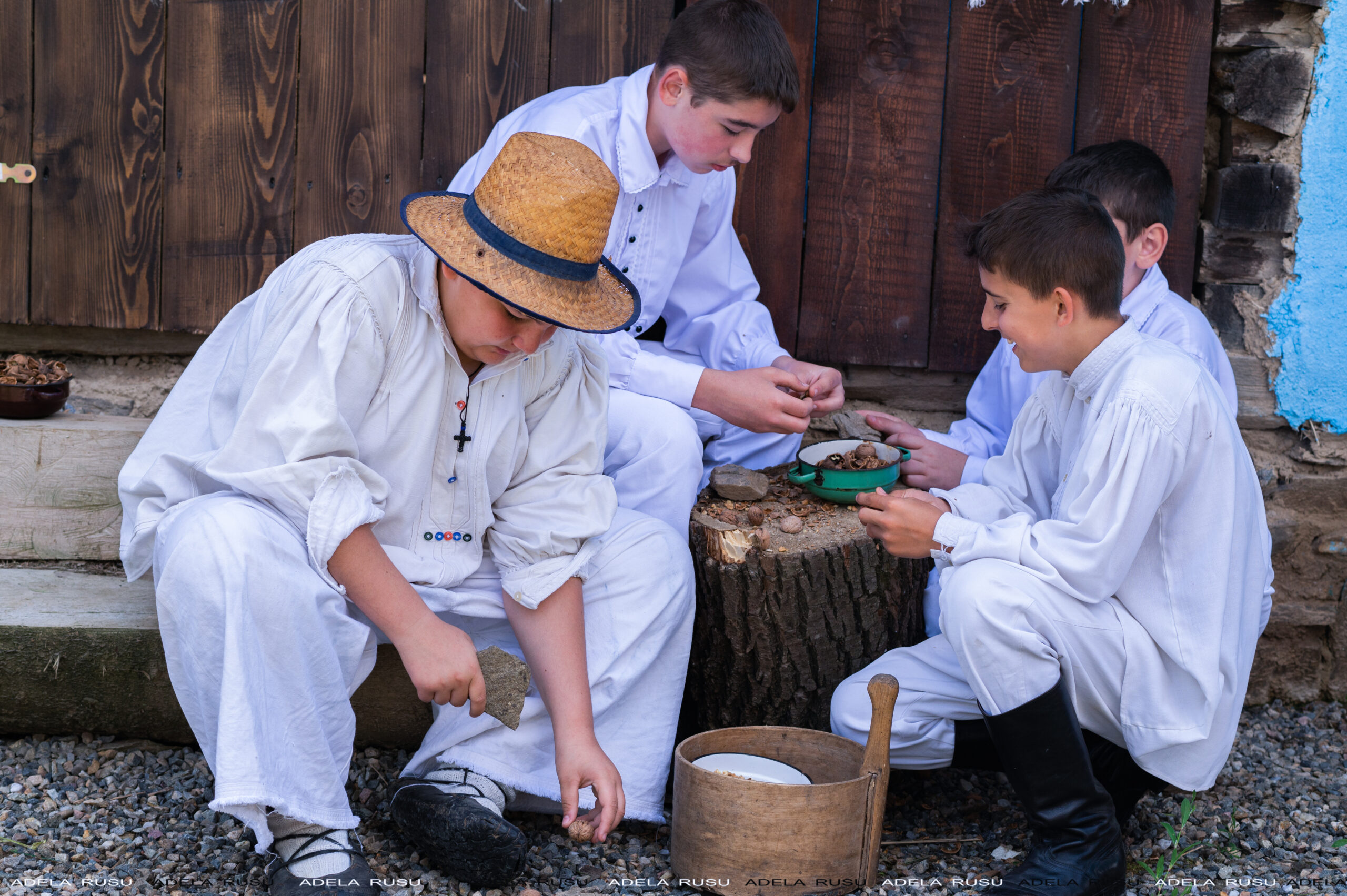
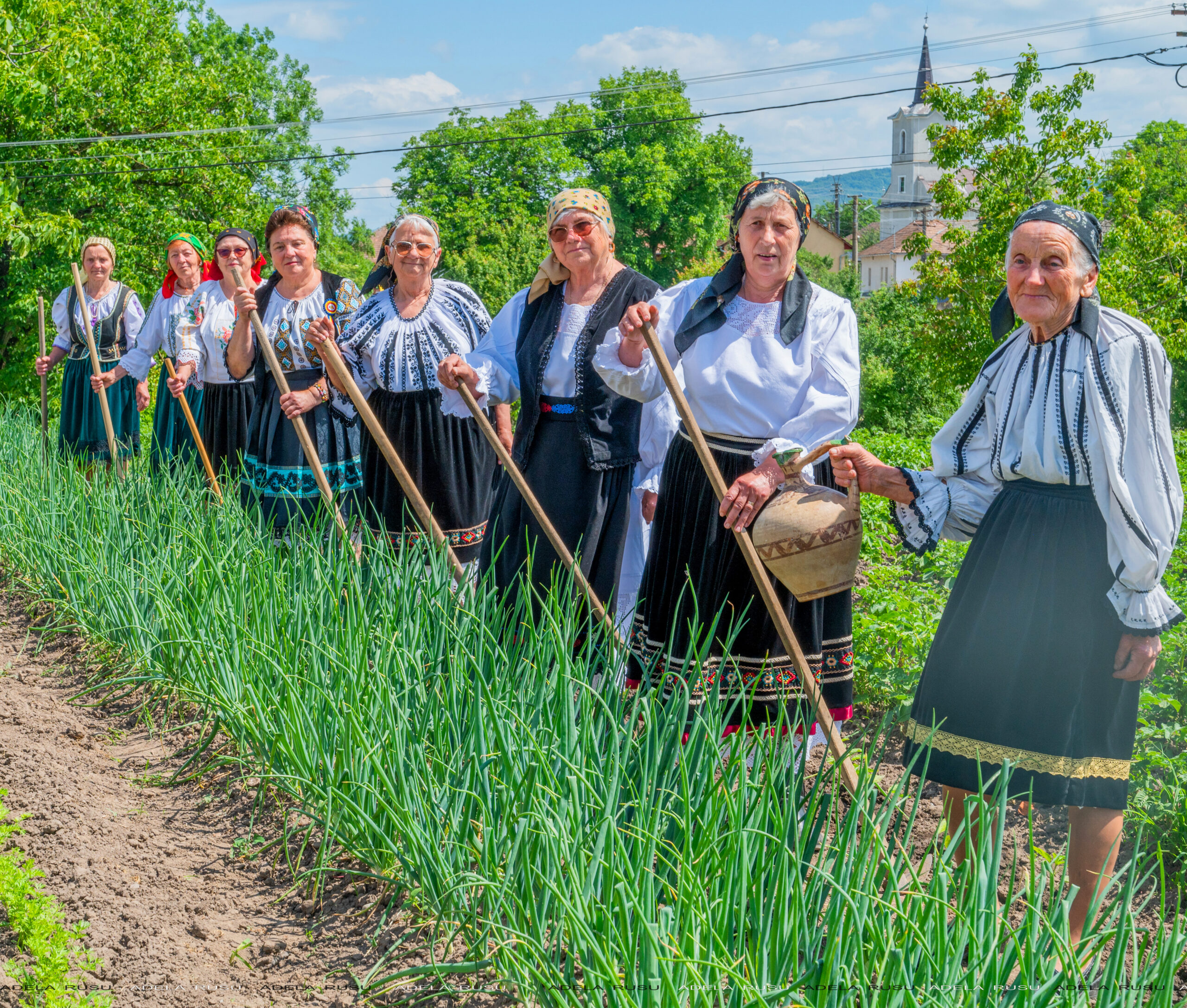
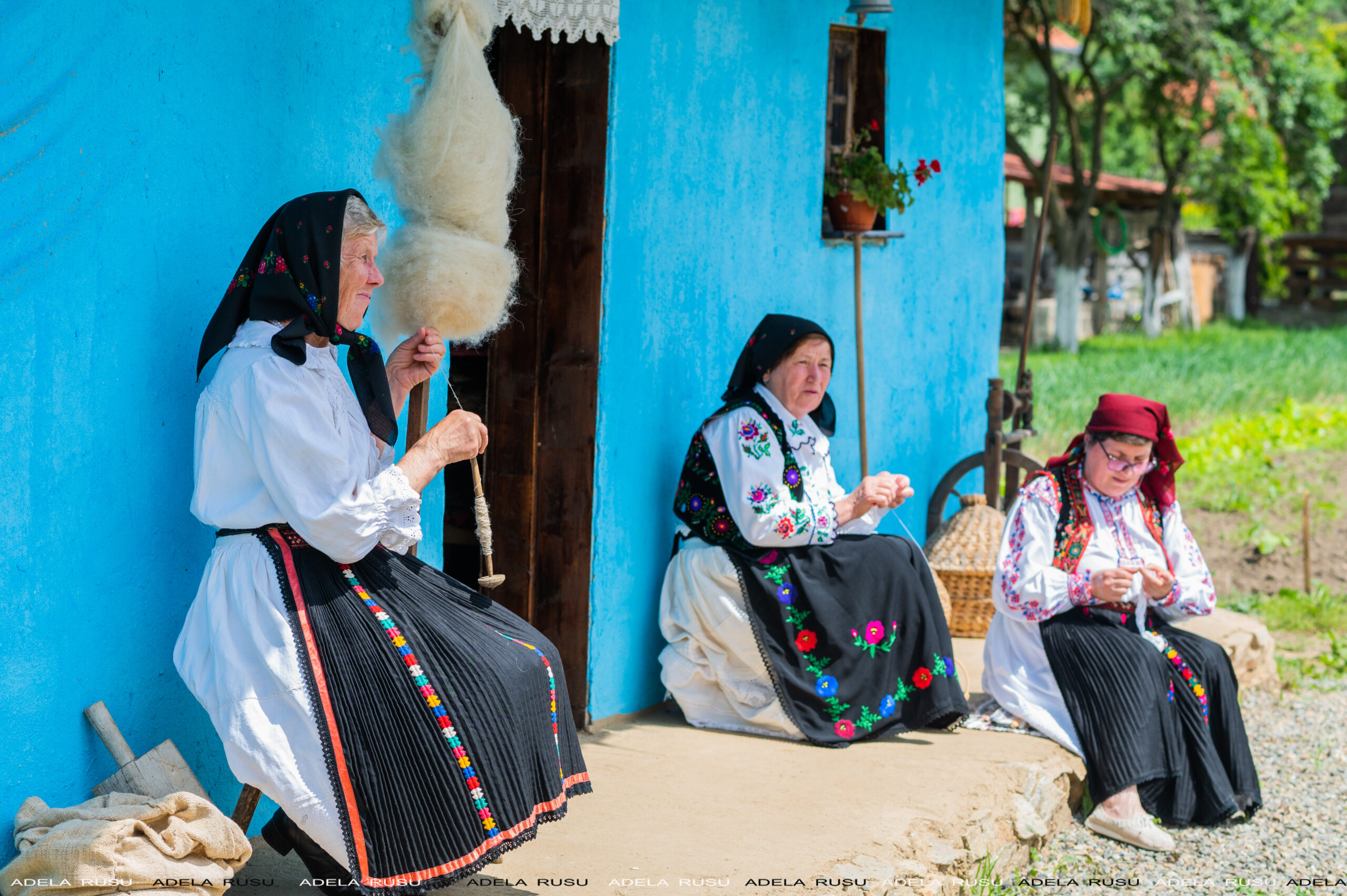
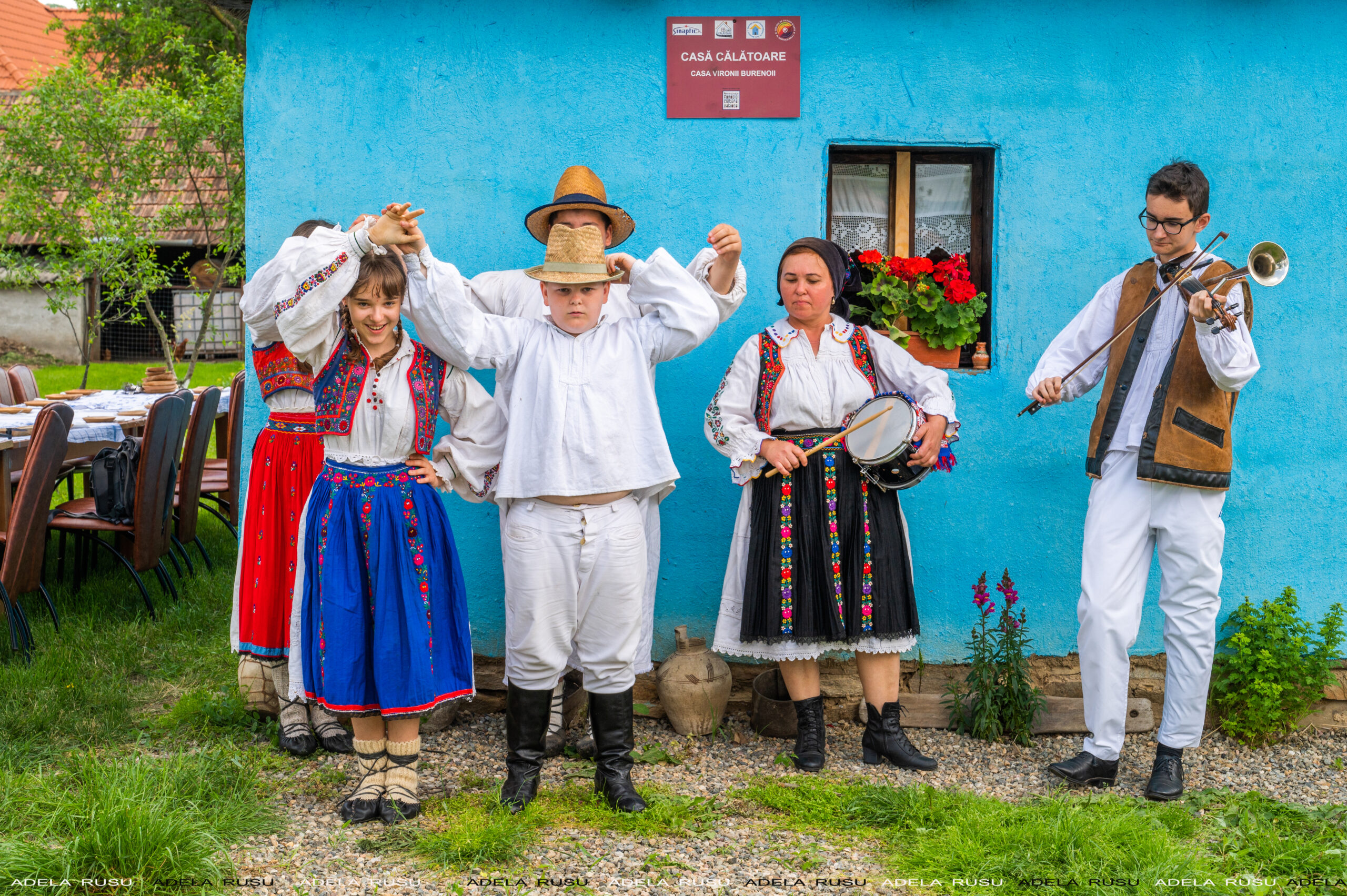
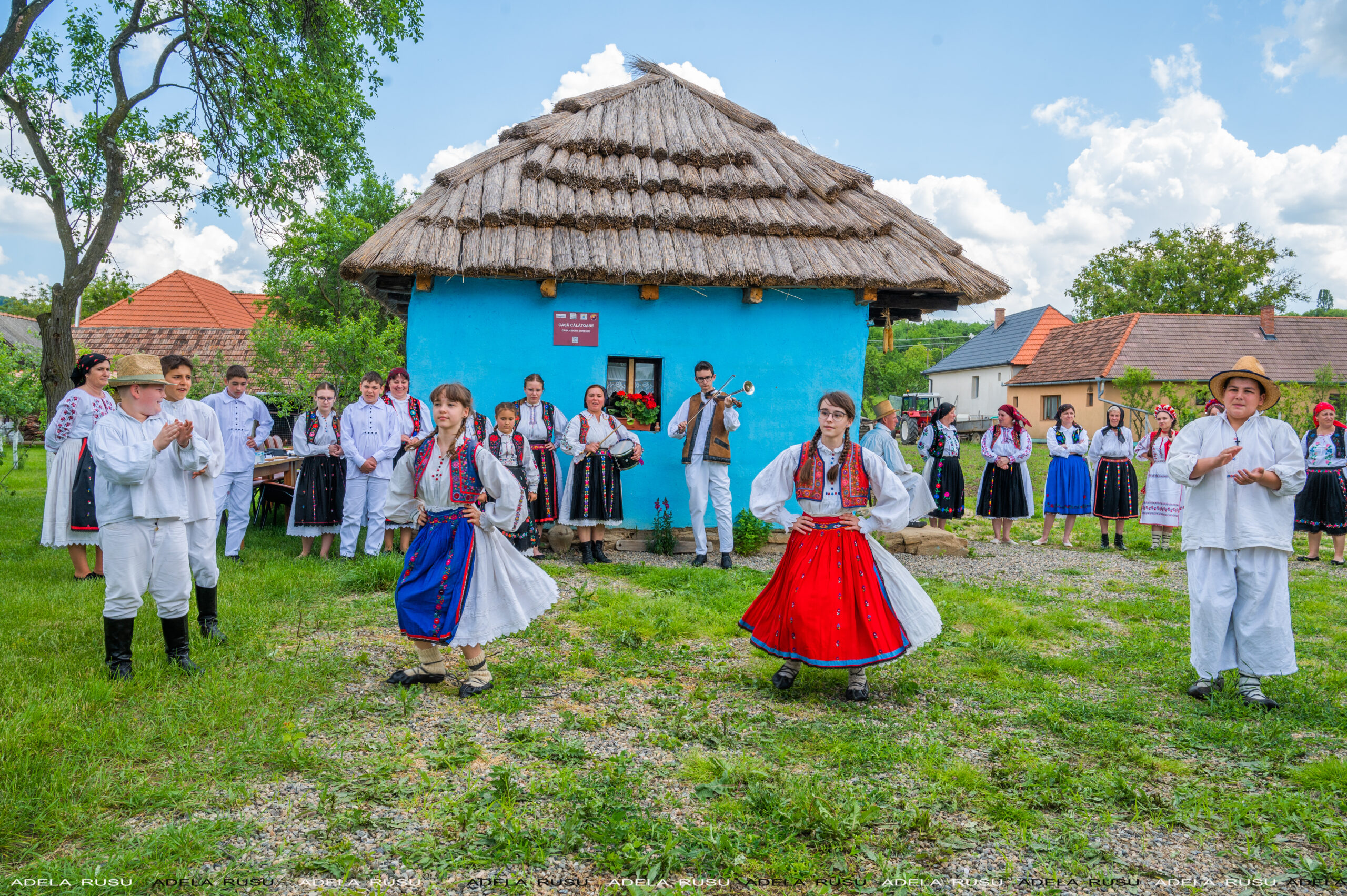
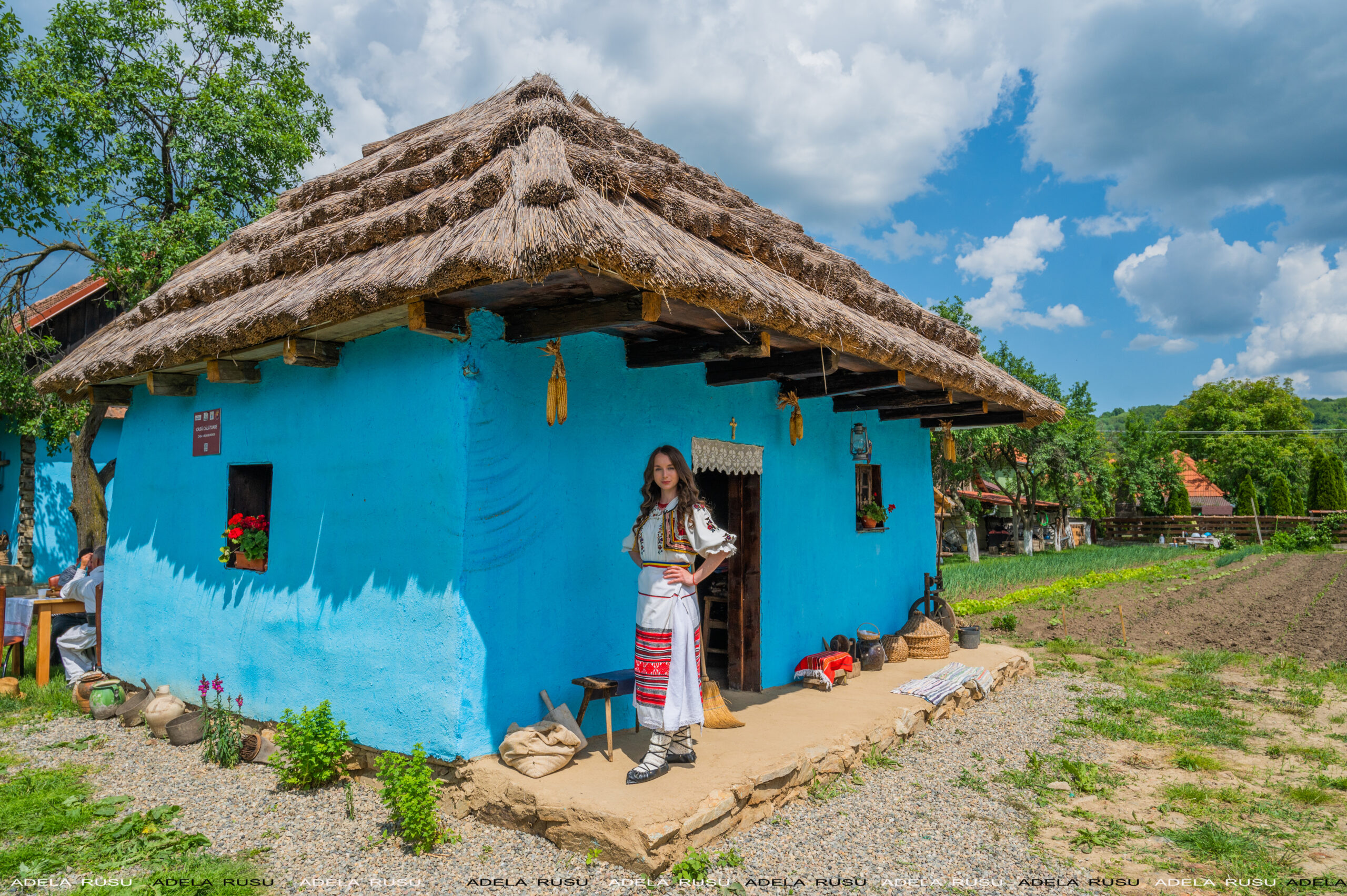
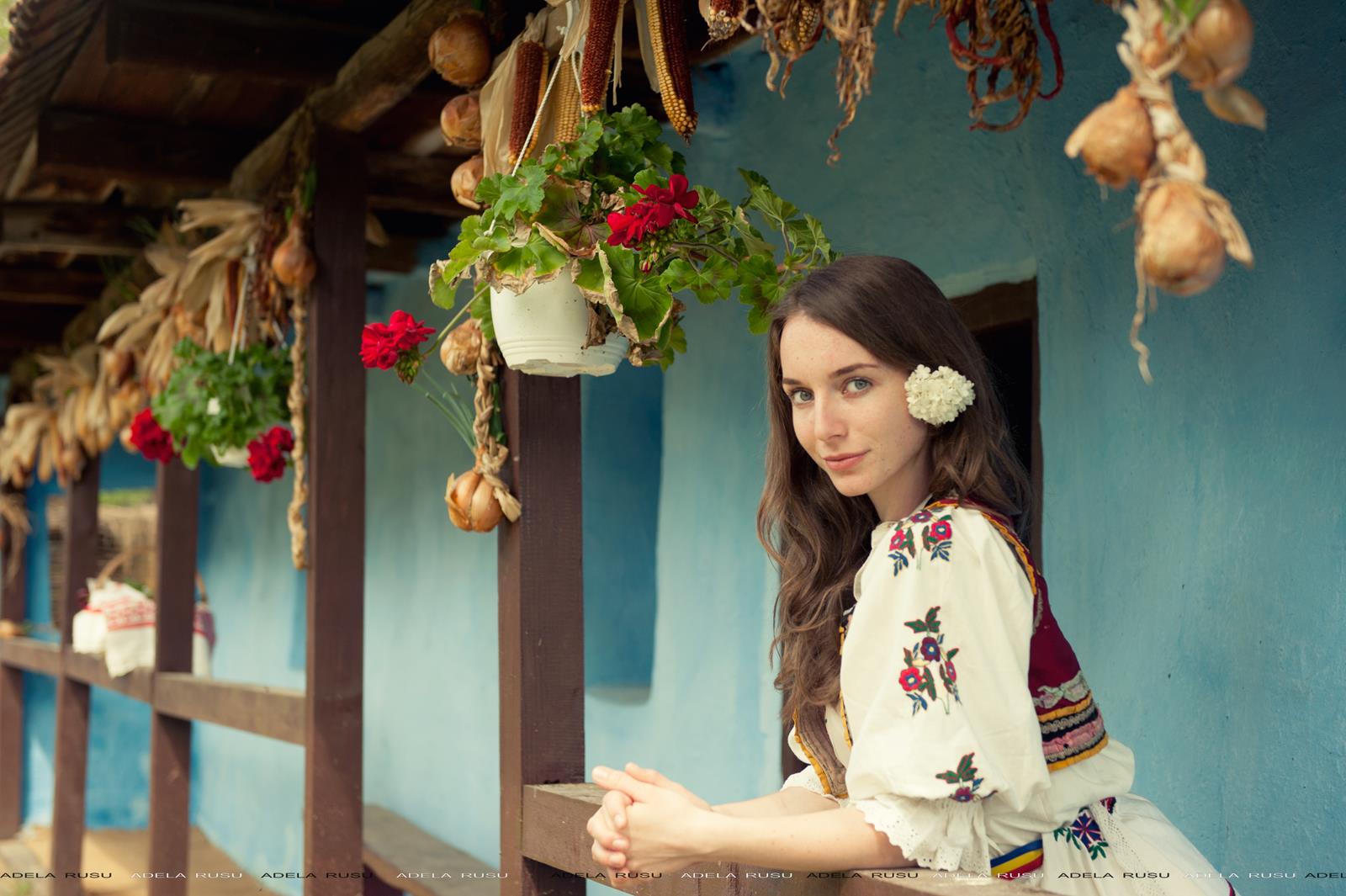
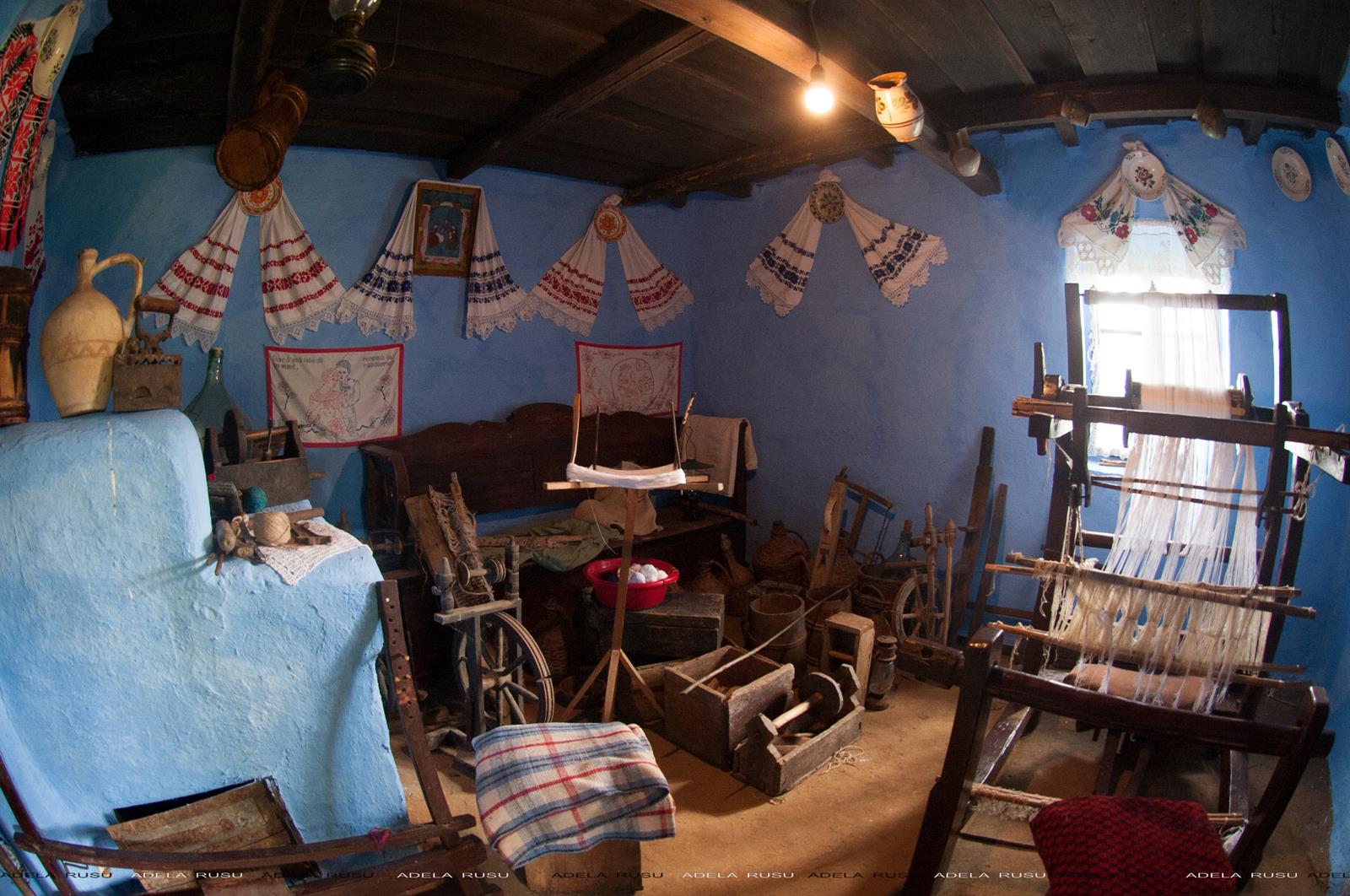
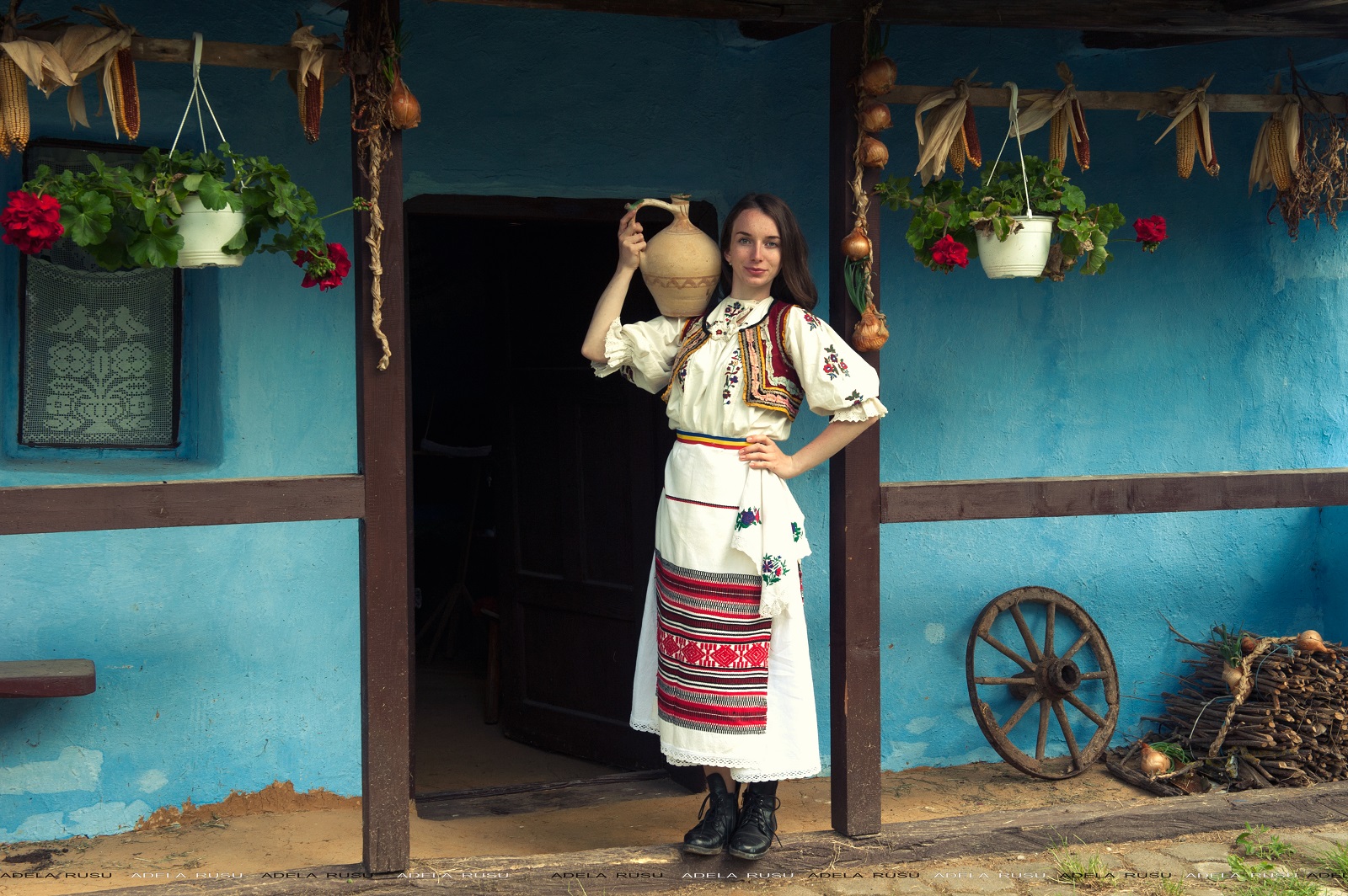
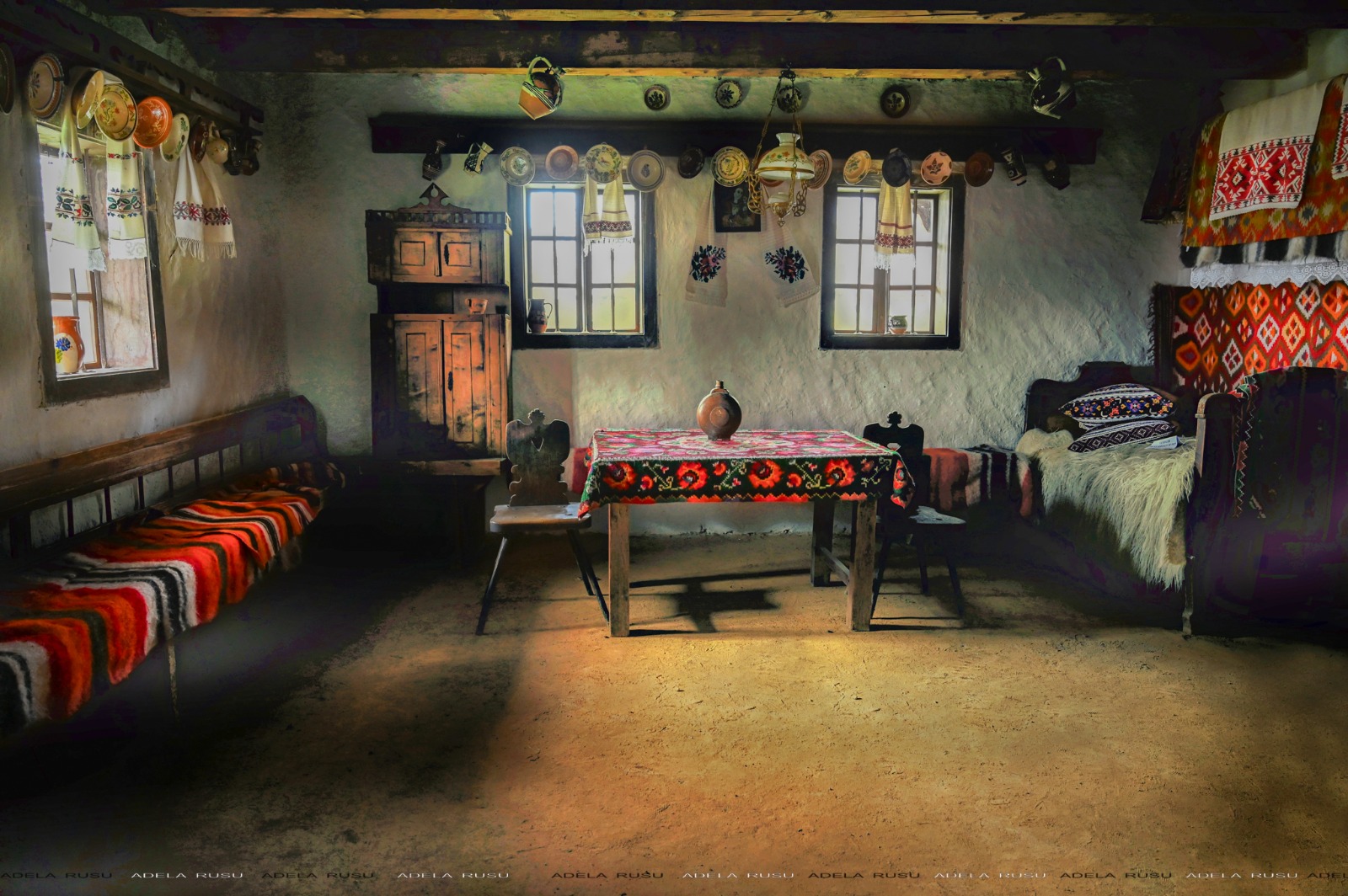
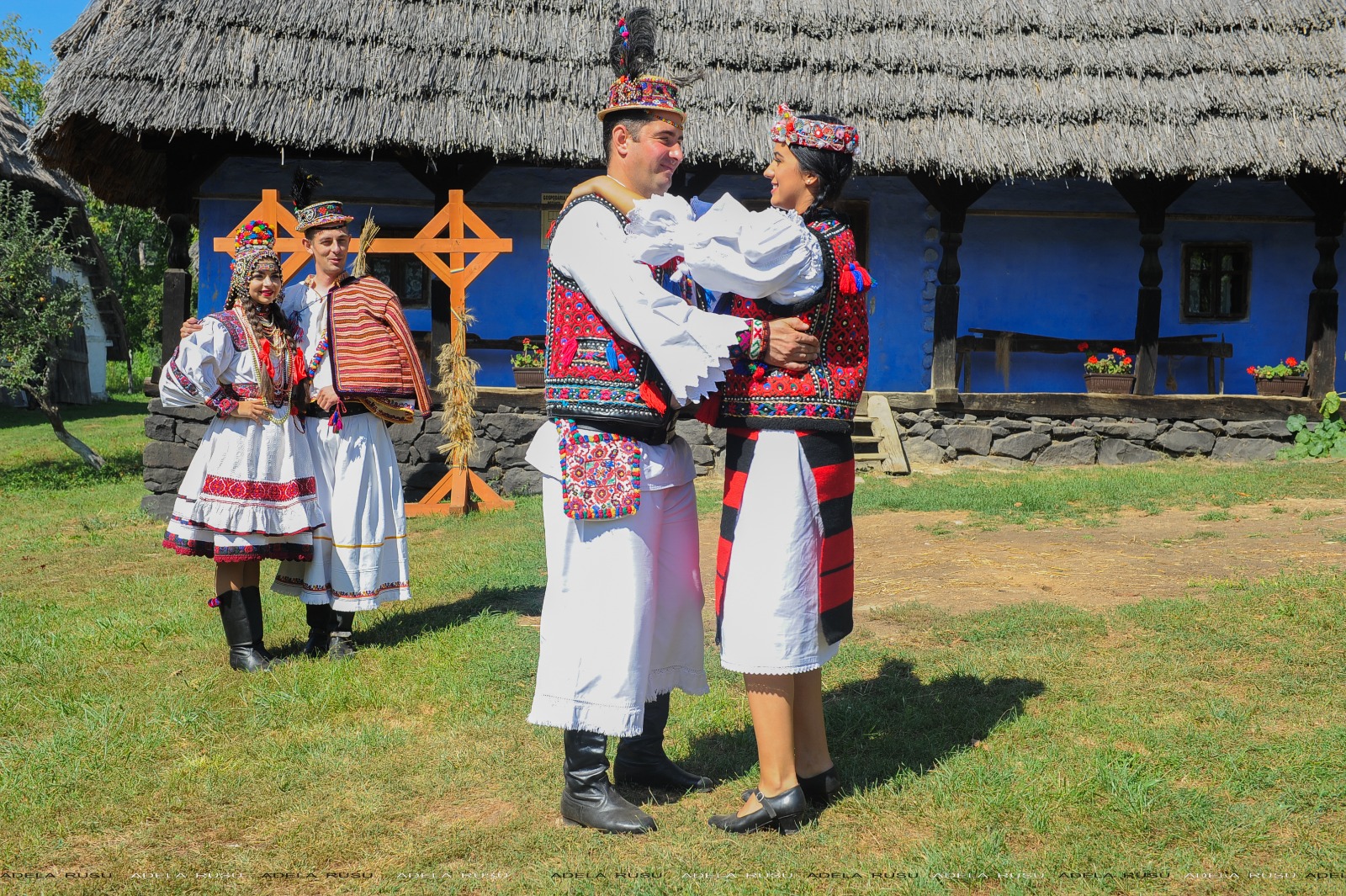
A traditional village in Țara Silvaniei, known for its distinctive blue-painted houses and well-preserved local customs. The settlement reflects a strong sense of regional identity, where architecture, household traditions, and community life continue to follow long-established patterns.
Is an important historical and religious monument of the region. Built in the Gothic style, the church dates back to the medieval period and reflects the long-standing Reformed (Calvinist) tradition of the local Hungarian community. Its solid stone structure, simple interior, and tall tower give it a distinctive character. Today, the church remains a symbol of faith, history, and cultural heritage in Crasna.
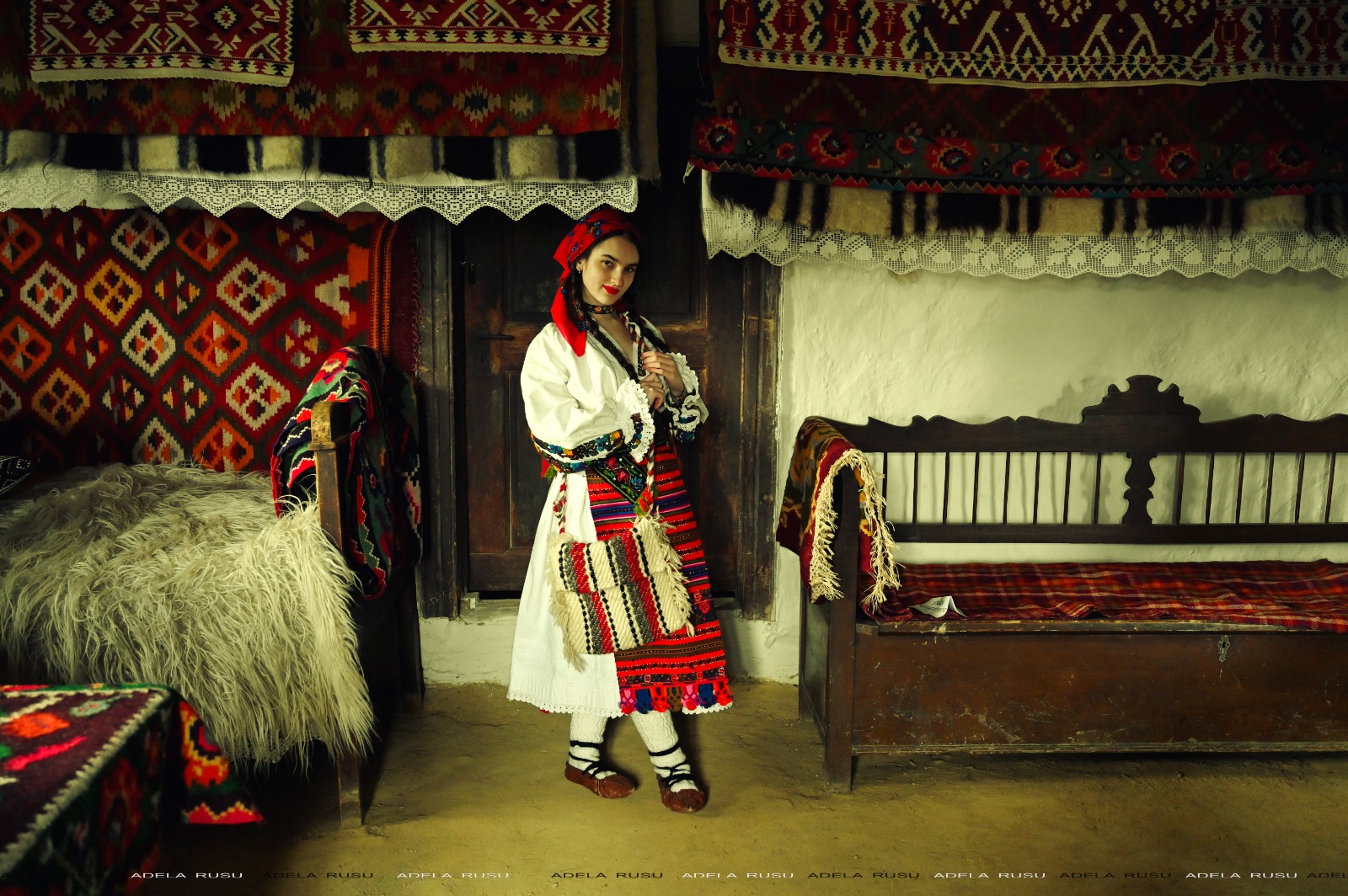
• two organized portrait sessions (model releases included) • editorial-style photography
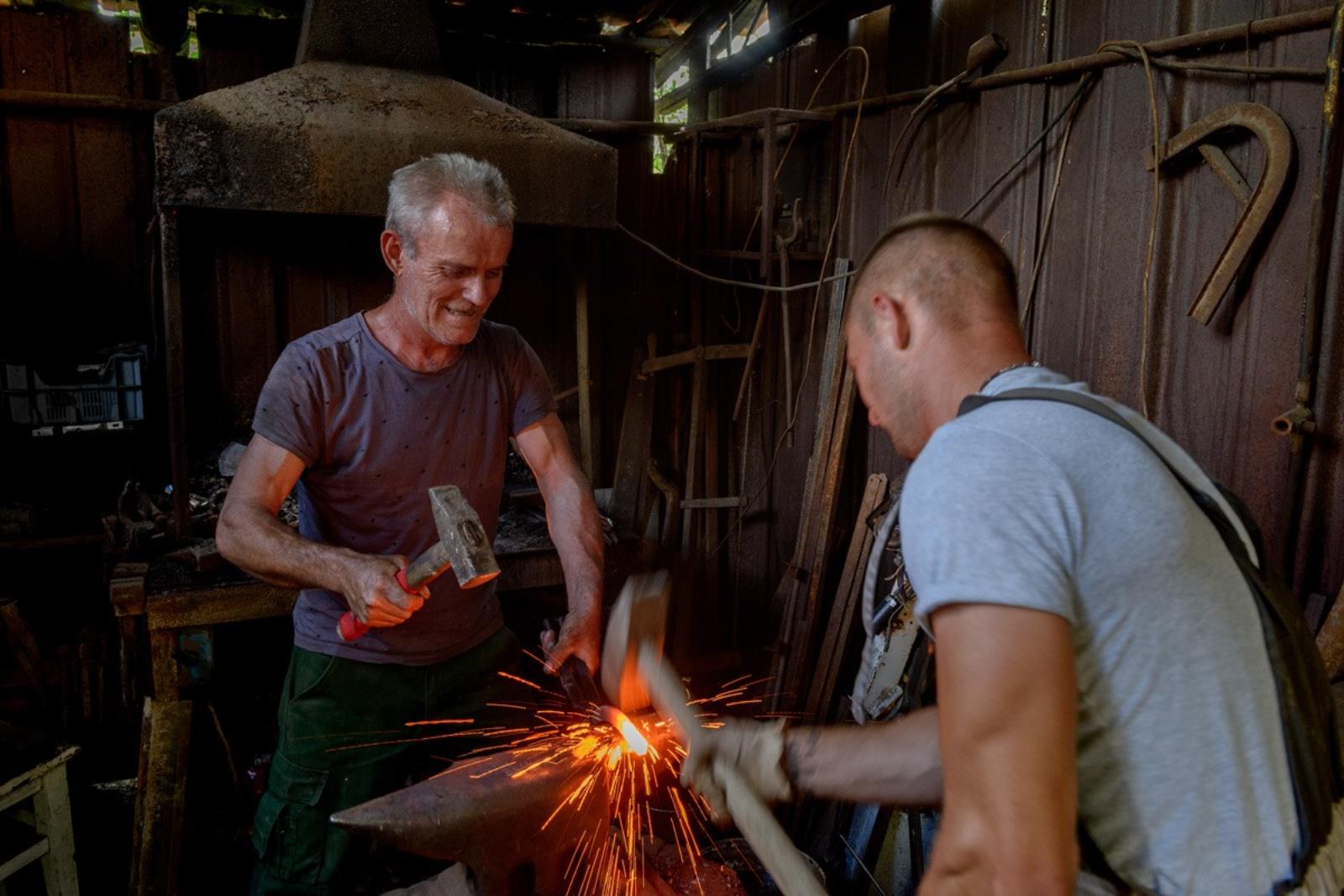
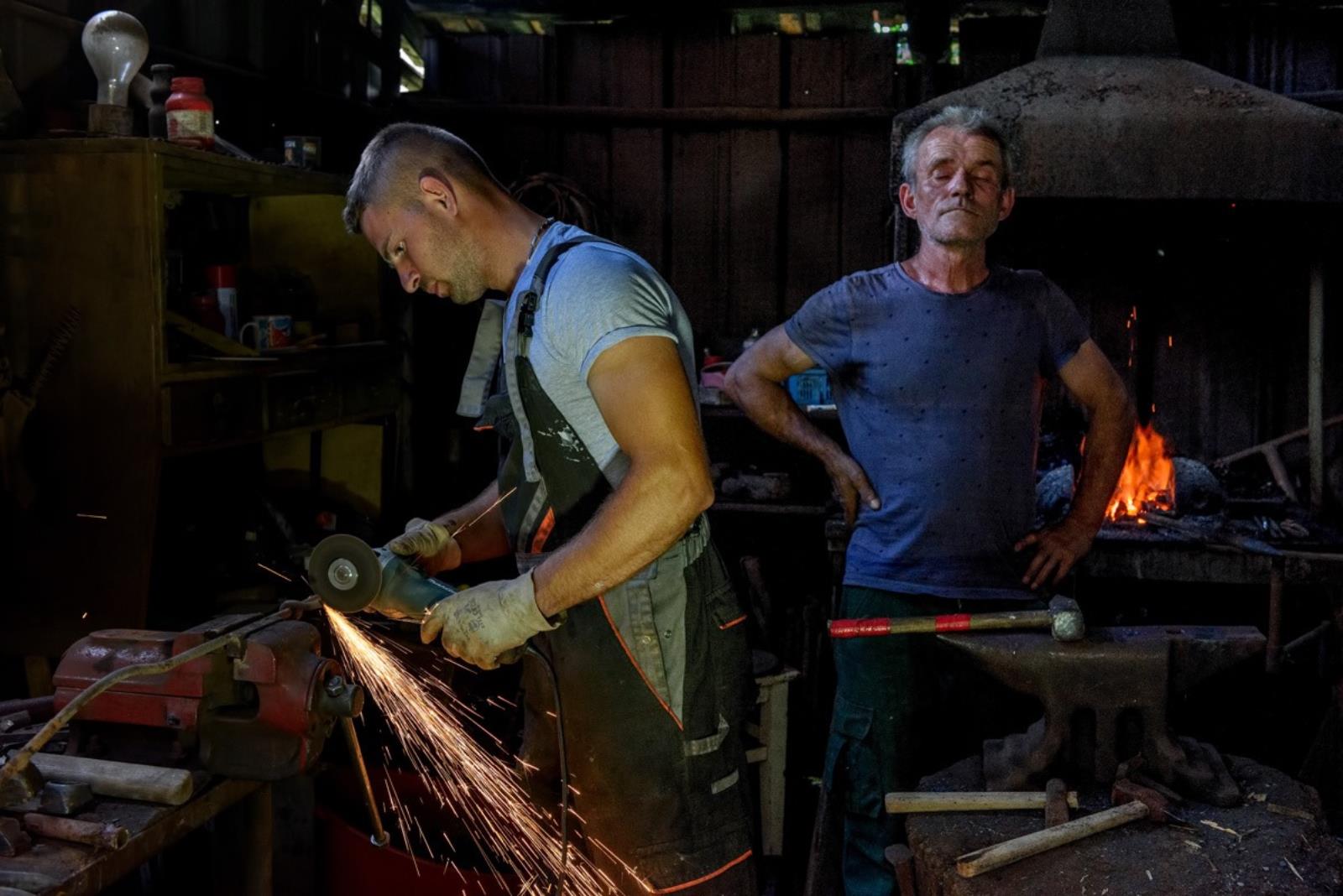
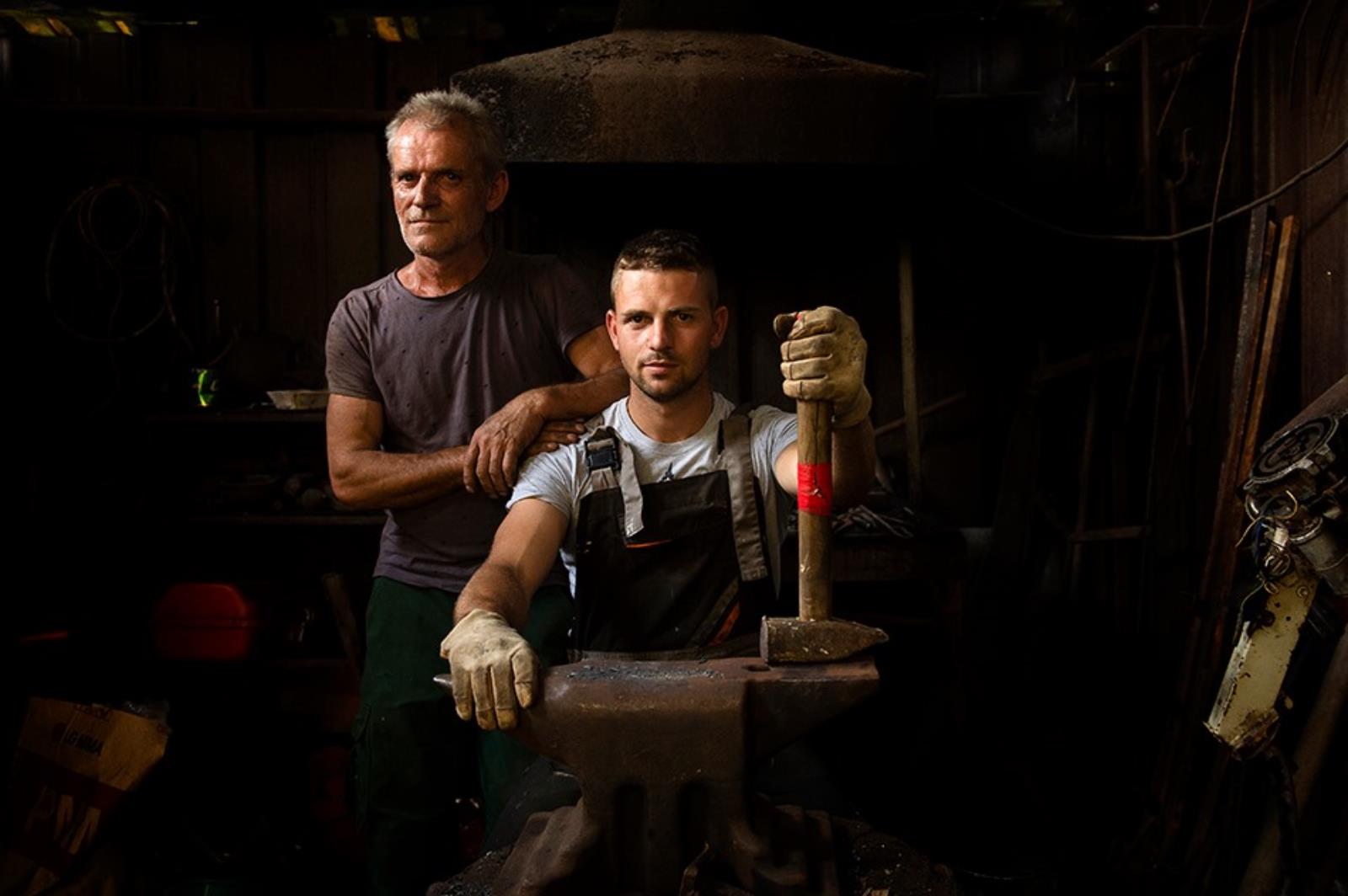
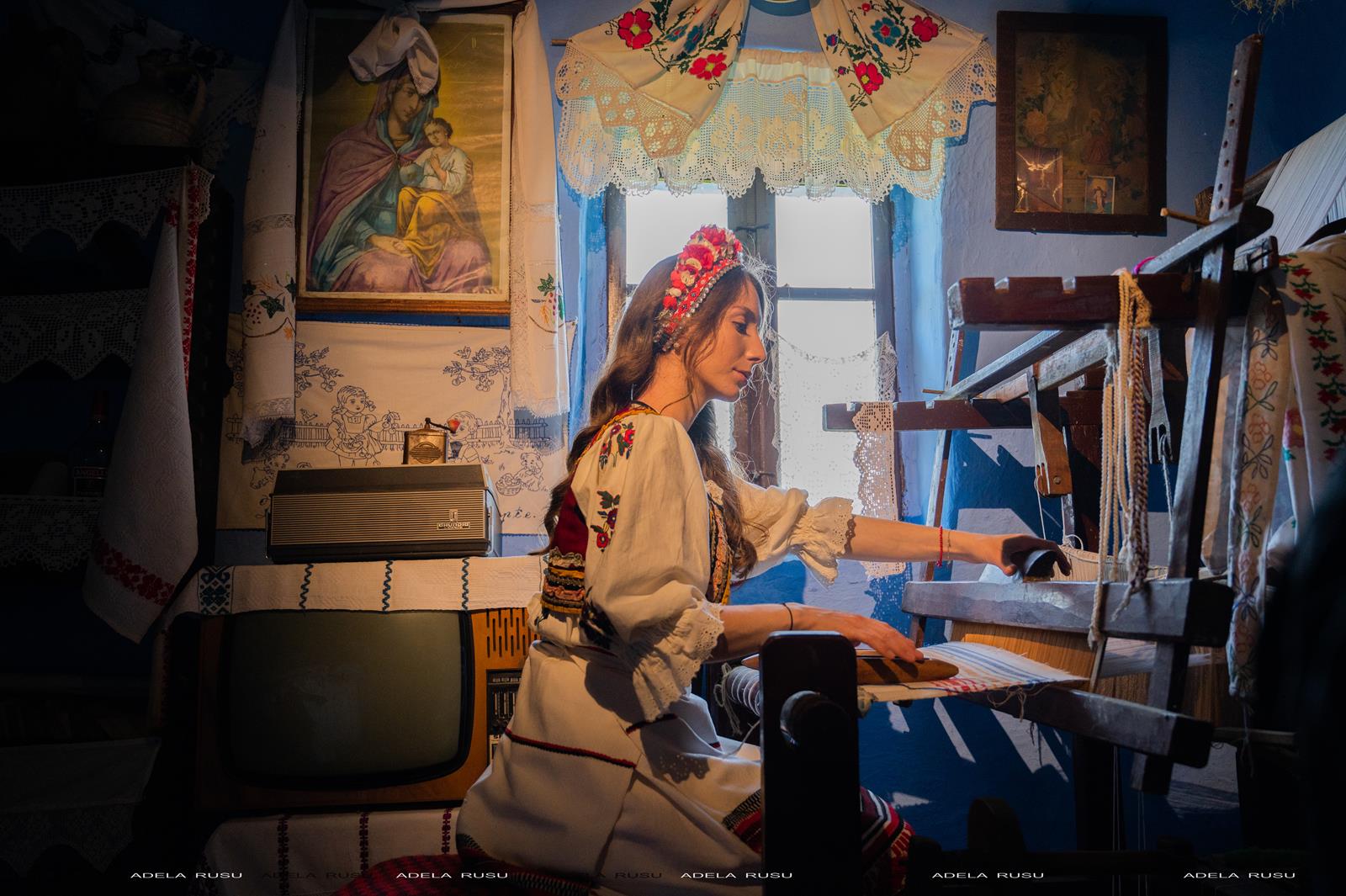
• traditional weaver • blacksmith demonstrations
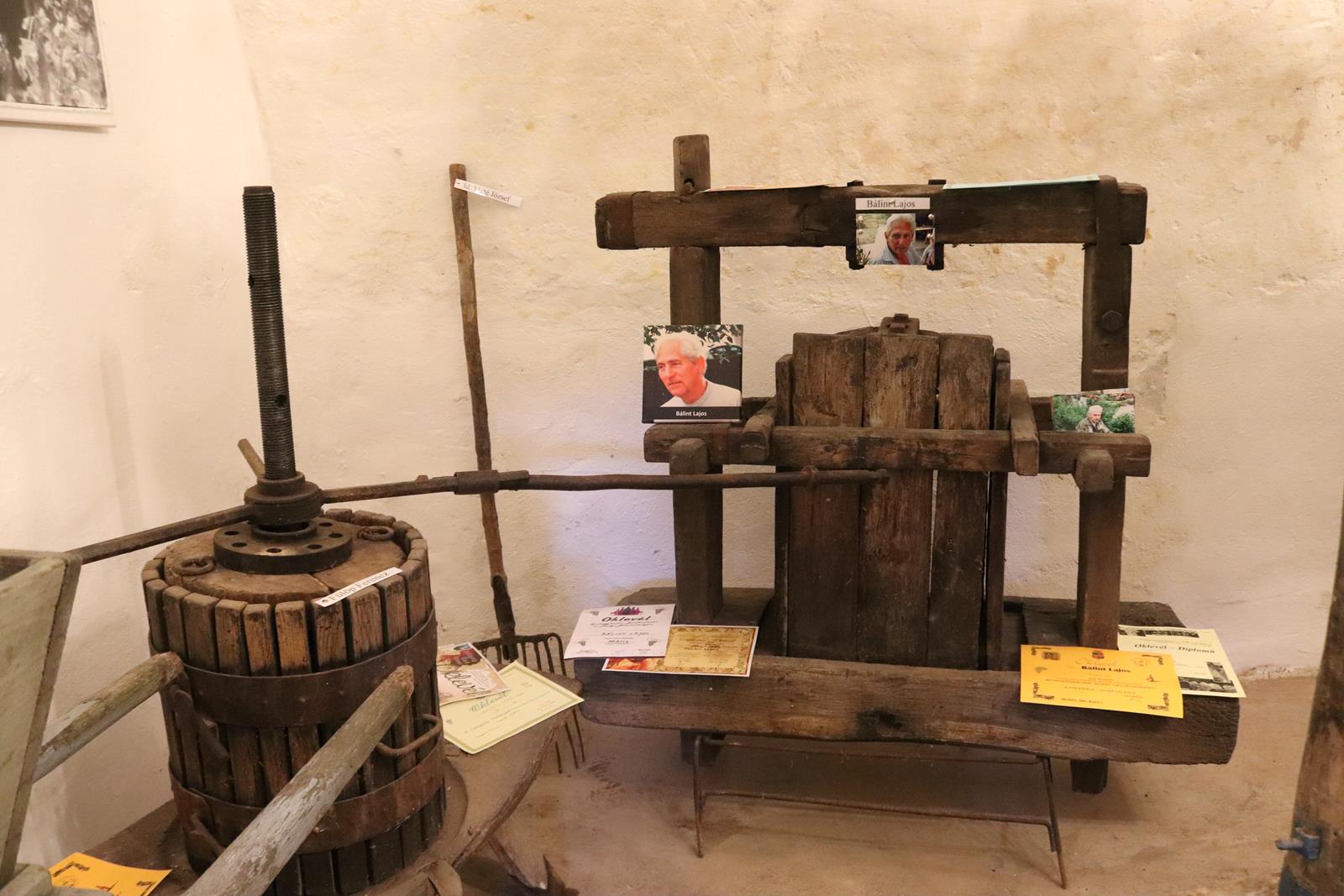
• wine museum
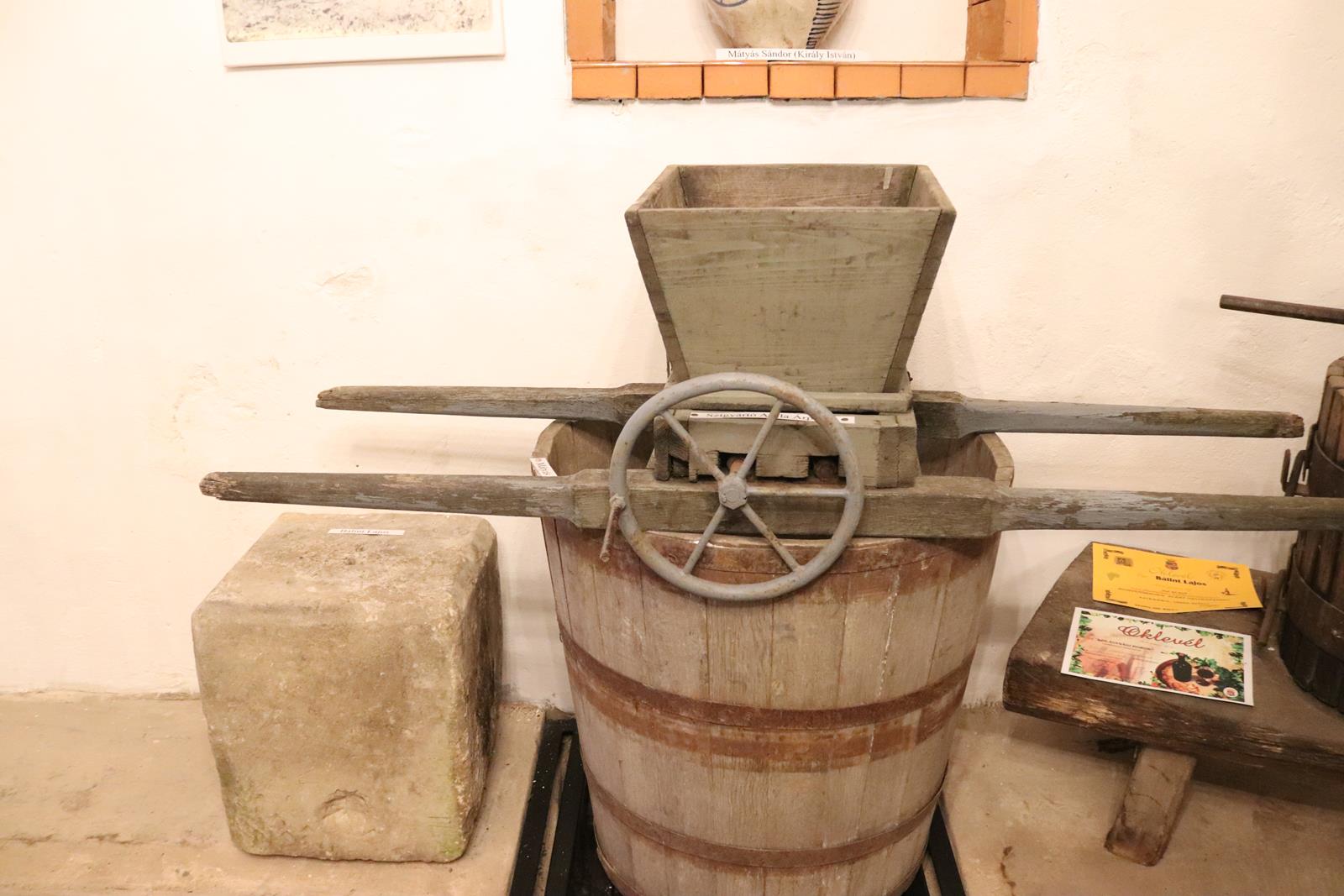
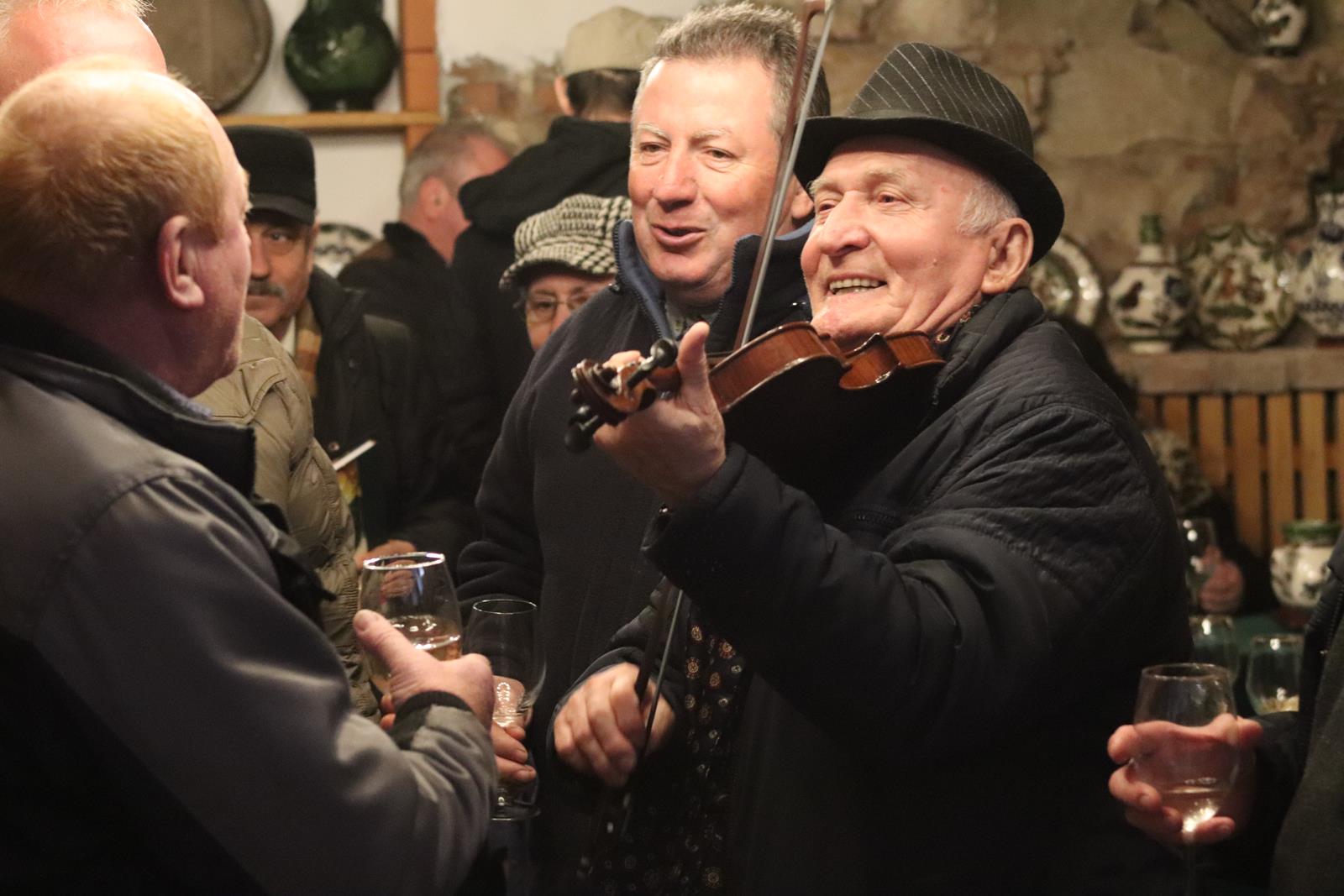
A cultural exploration focused on the Hungarian communities of Transylvania, highlighting traditional crafts, everyday life, and long-preserved skills passed down through generations. Visits to local artisans in Borla offer insight into weaving, blacksmithing, and rural craftsmanship, while the Wine Museum presents the role of viticulture in Hungarian cultural heritage. The day is centered on understanding identity, tradition, and continuity within these communities.
• cultural and historical storytelling
• vineyard and rural landscape photography
• wide-angle and detail-based imagery
• visual narrative across multiple locations
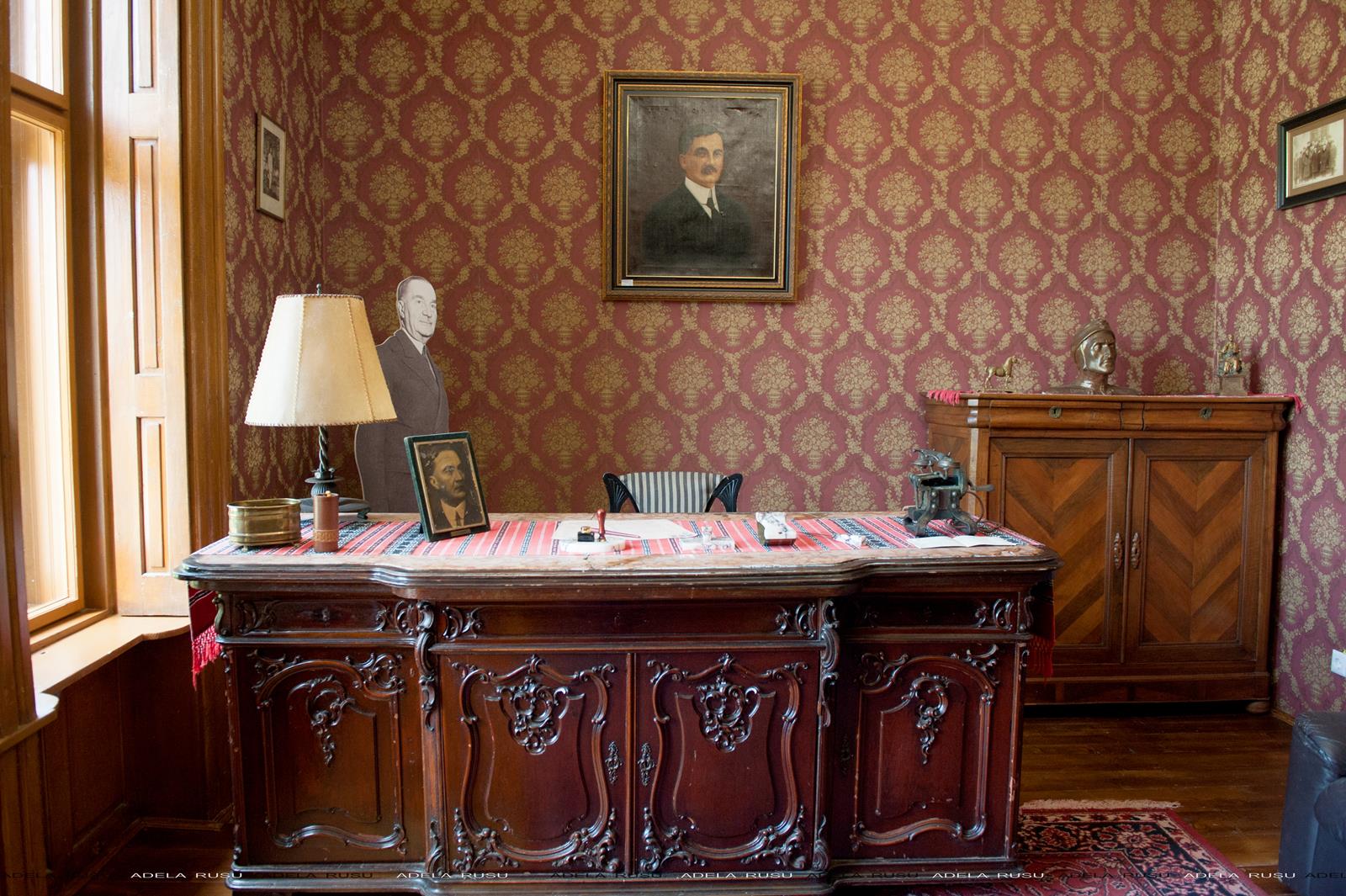
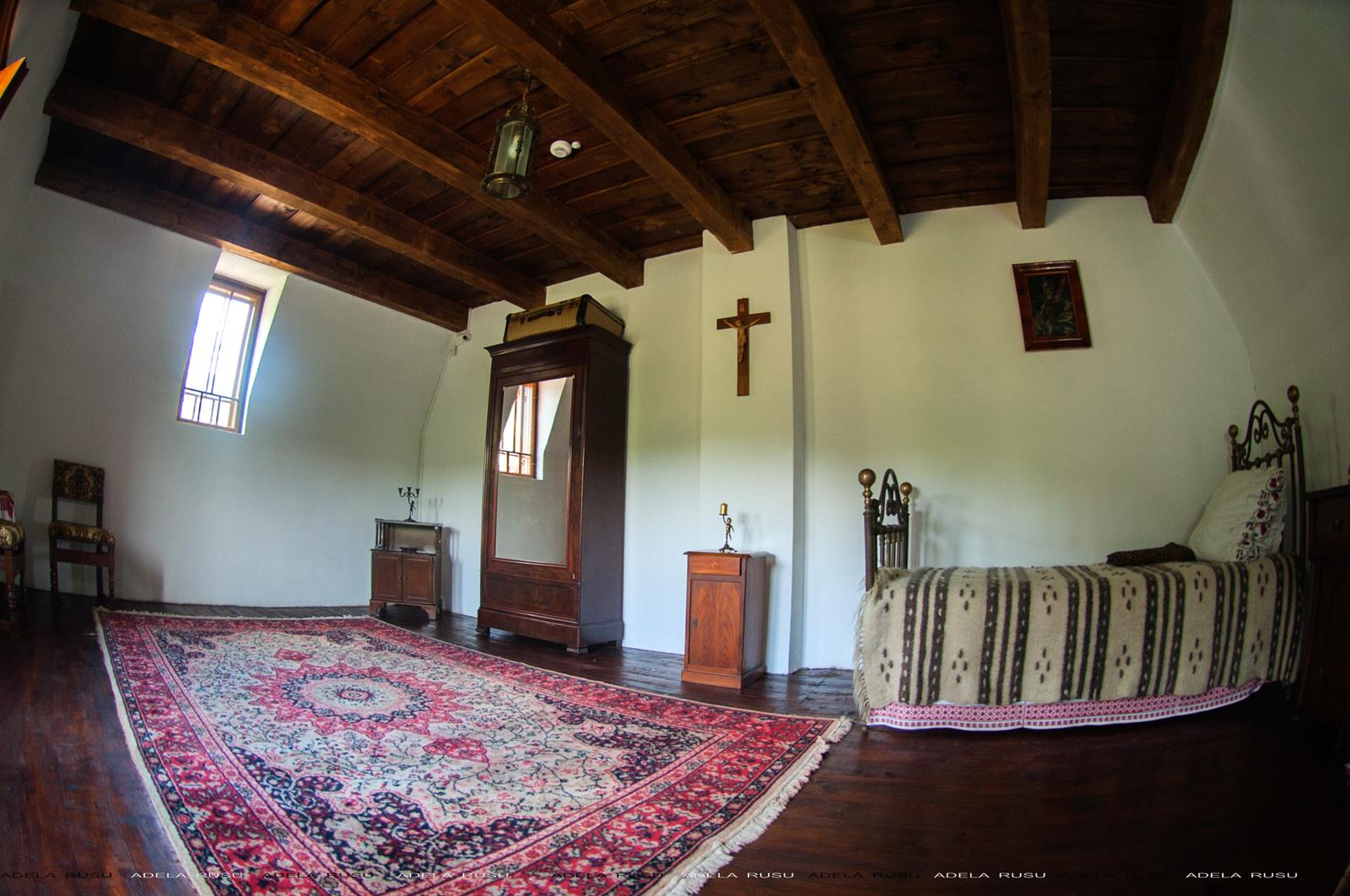
A quiet rural village with strong historical and cultural significance, closely associated with the life and legacy of Iuliu Maniu. The village reflects traditional Transylvanian countryside life, marked by modest architecture, agricultural landscapes, and a deep sense of local history and cultural memory. Iuliu Maniu was one of the most important Romanian political leaders of the 20th century, a key figure in the union of Transylvania with Romania in 1918 and a strong advocate of democracy and the rule of law. He opposed authoritarian regimes and later communism, for which he was imprisoned and died in detention, becoming a symbol of moral integrity and political courage.
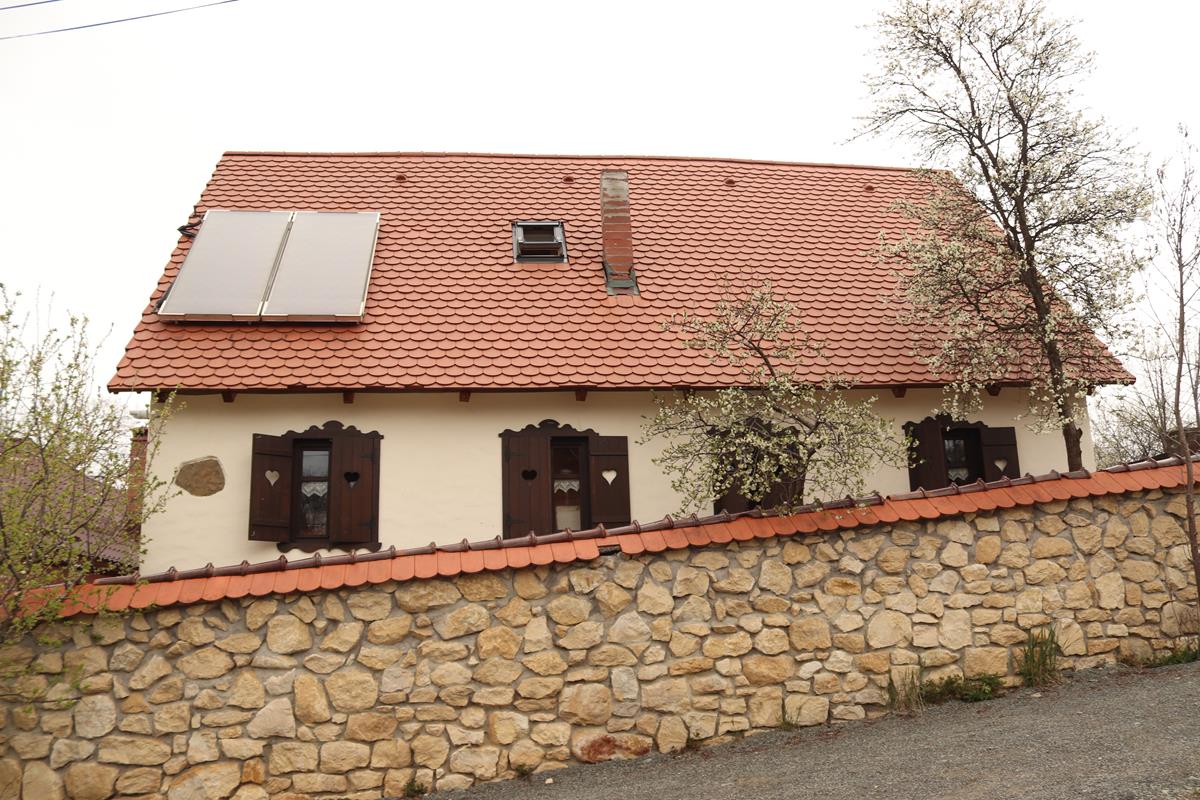
A distinctive rural house painted in deep blue tones, representative of local architectural style and village aesthetics in the Sălaj region. The building reflects everyday rural life, traditional construction methods, and the symbolic use of color within the cultural landscape of the area.
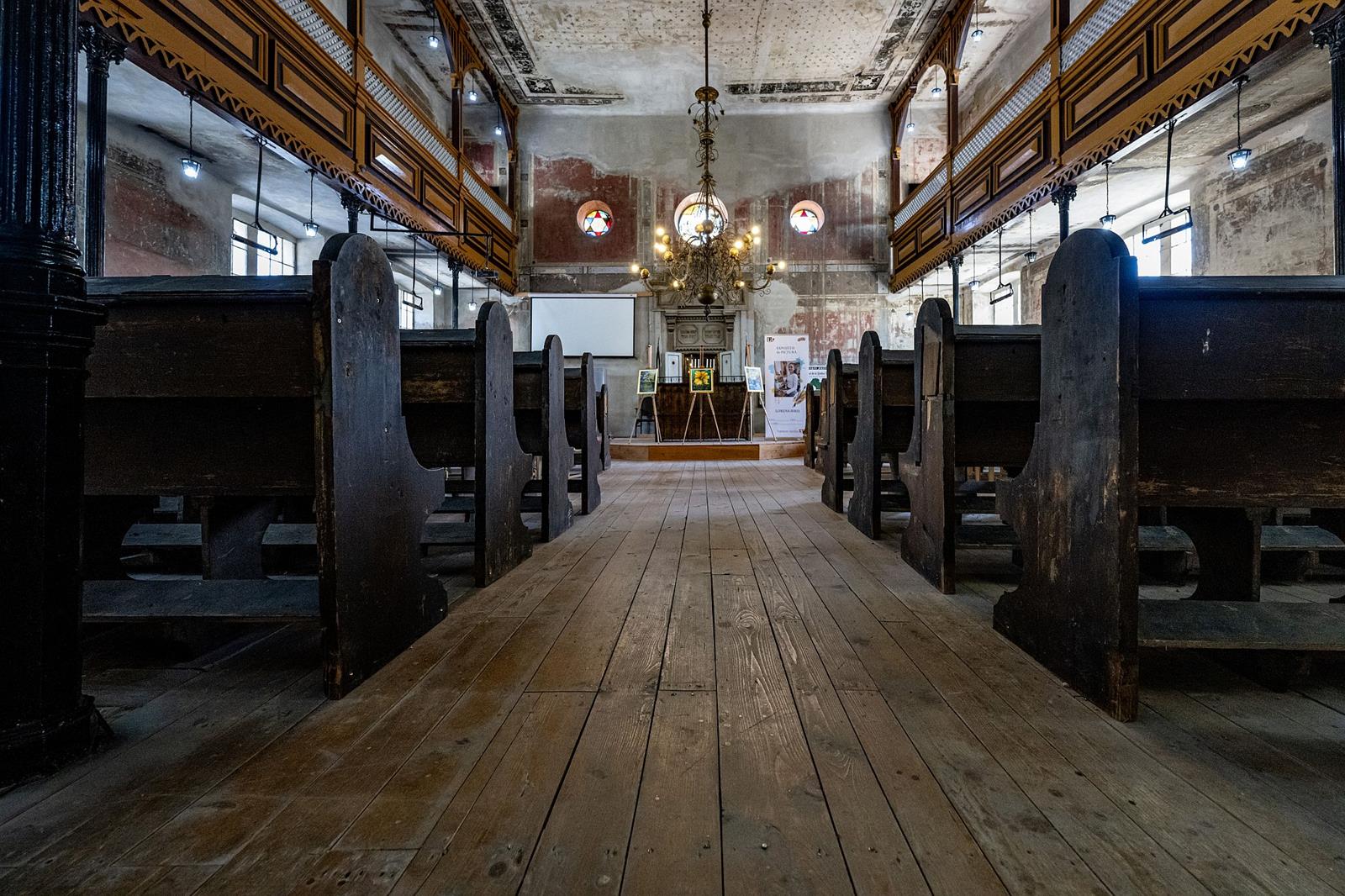
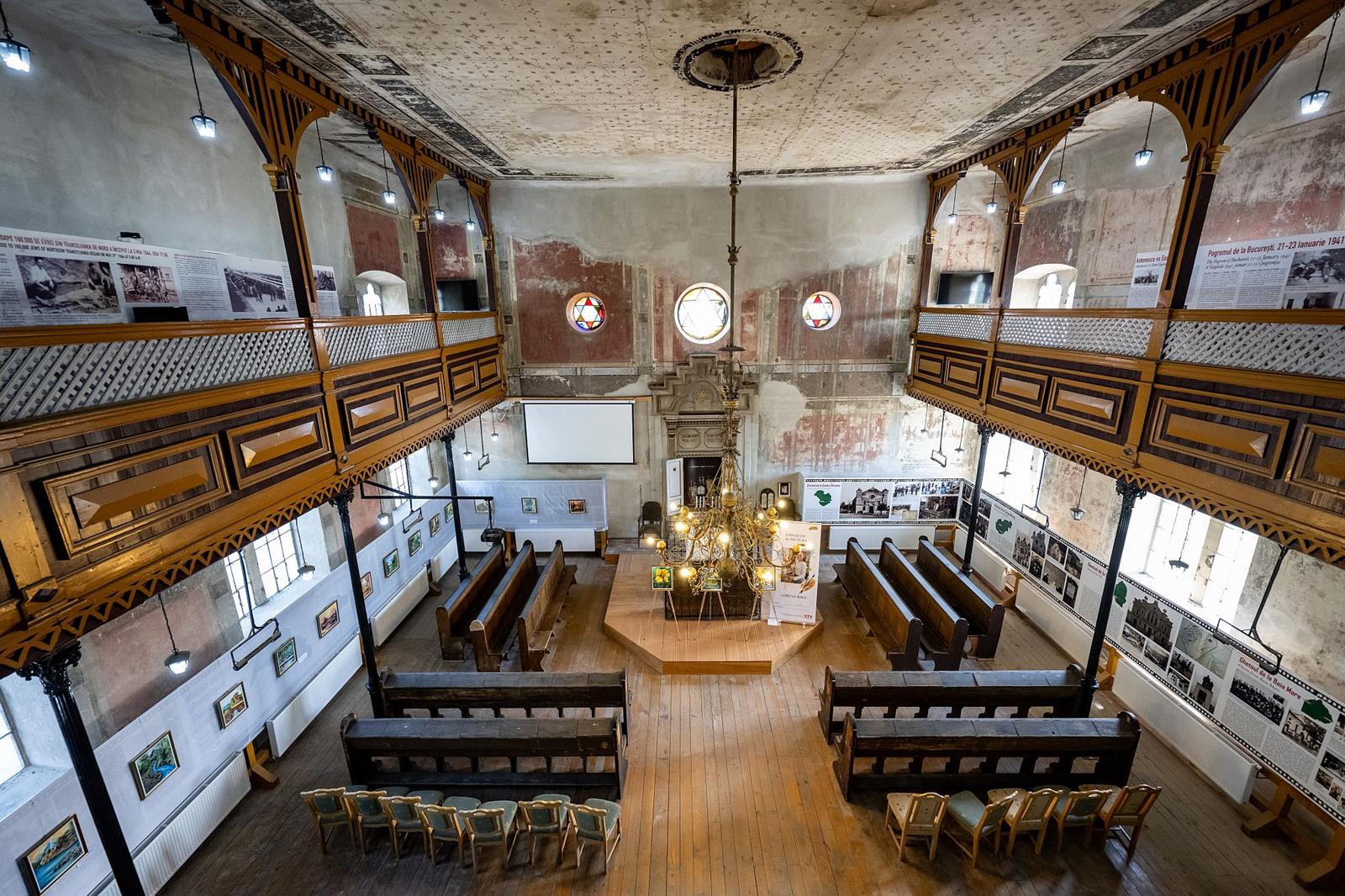
Located inside the town’s only remaining synagogue, the museum is dedicated to the history and memory of the Jewish community of Northern Transylvania during the Holocaust. The space preserves both the religious building and personal testimonies, documents, and historical context, offering a sober place for reflection on memory, loss, and local history.
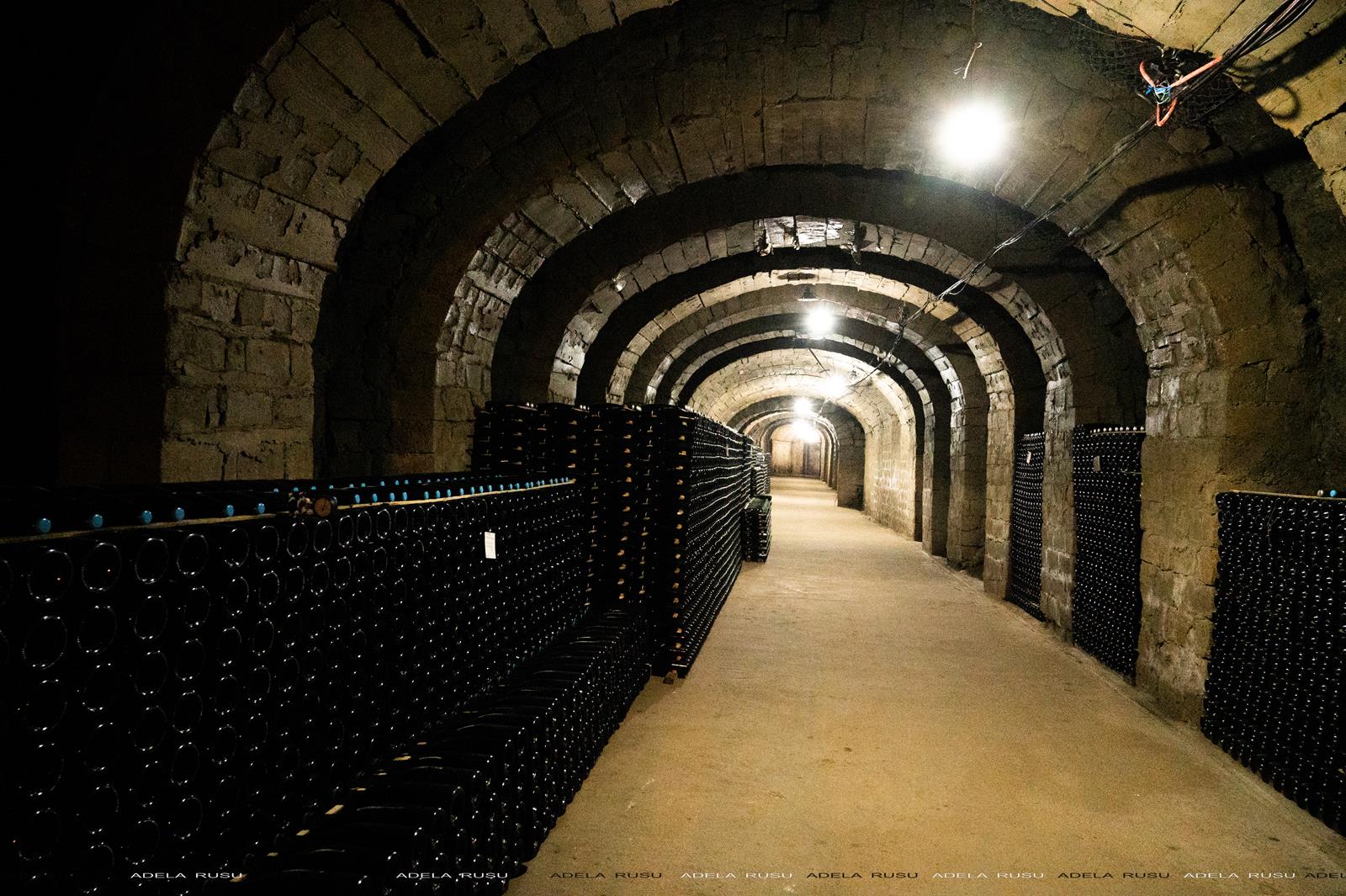
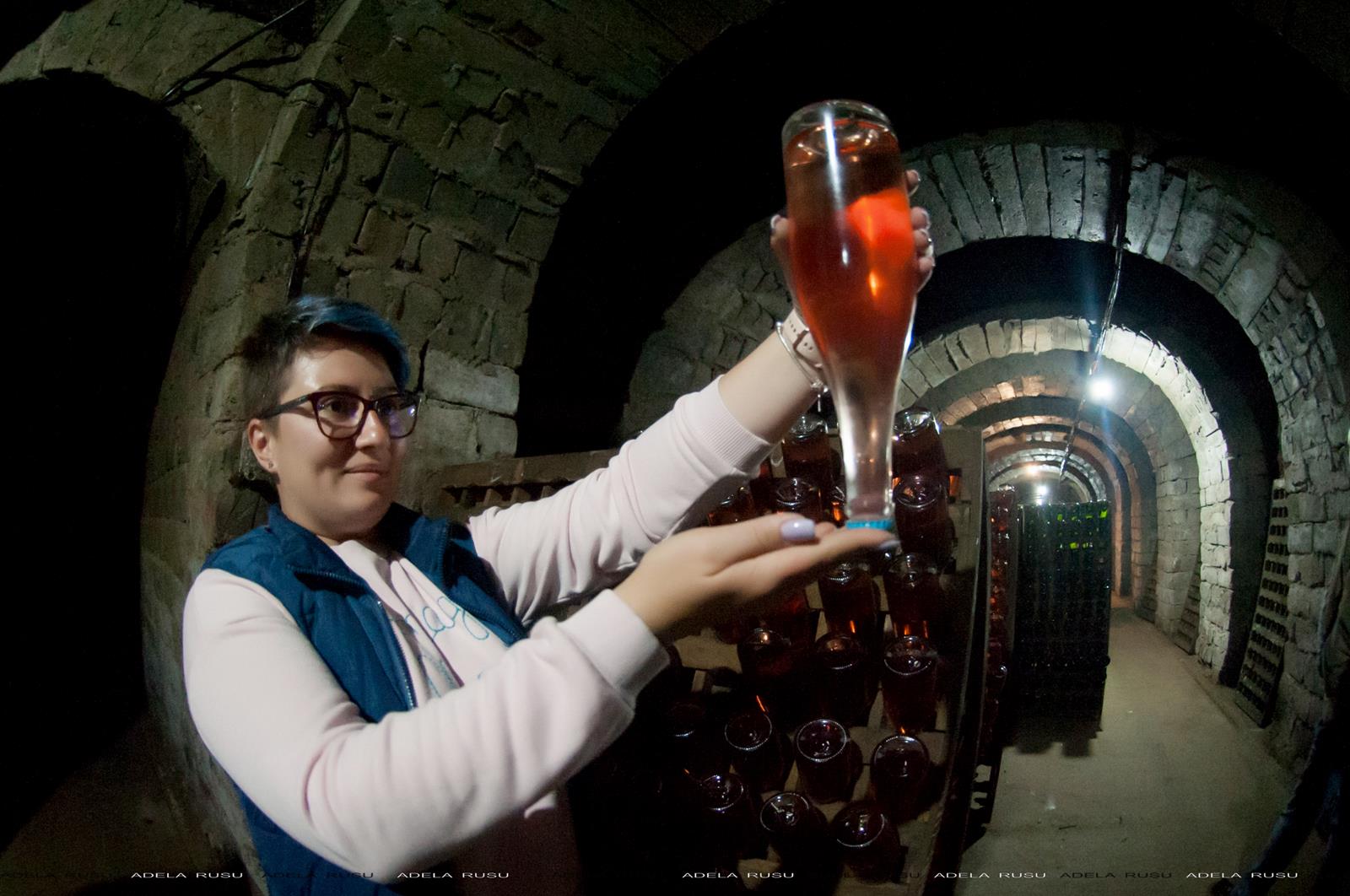
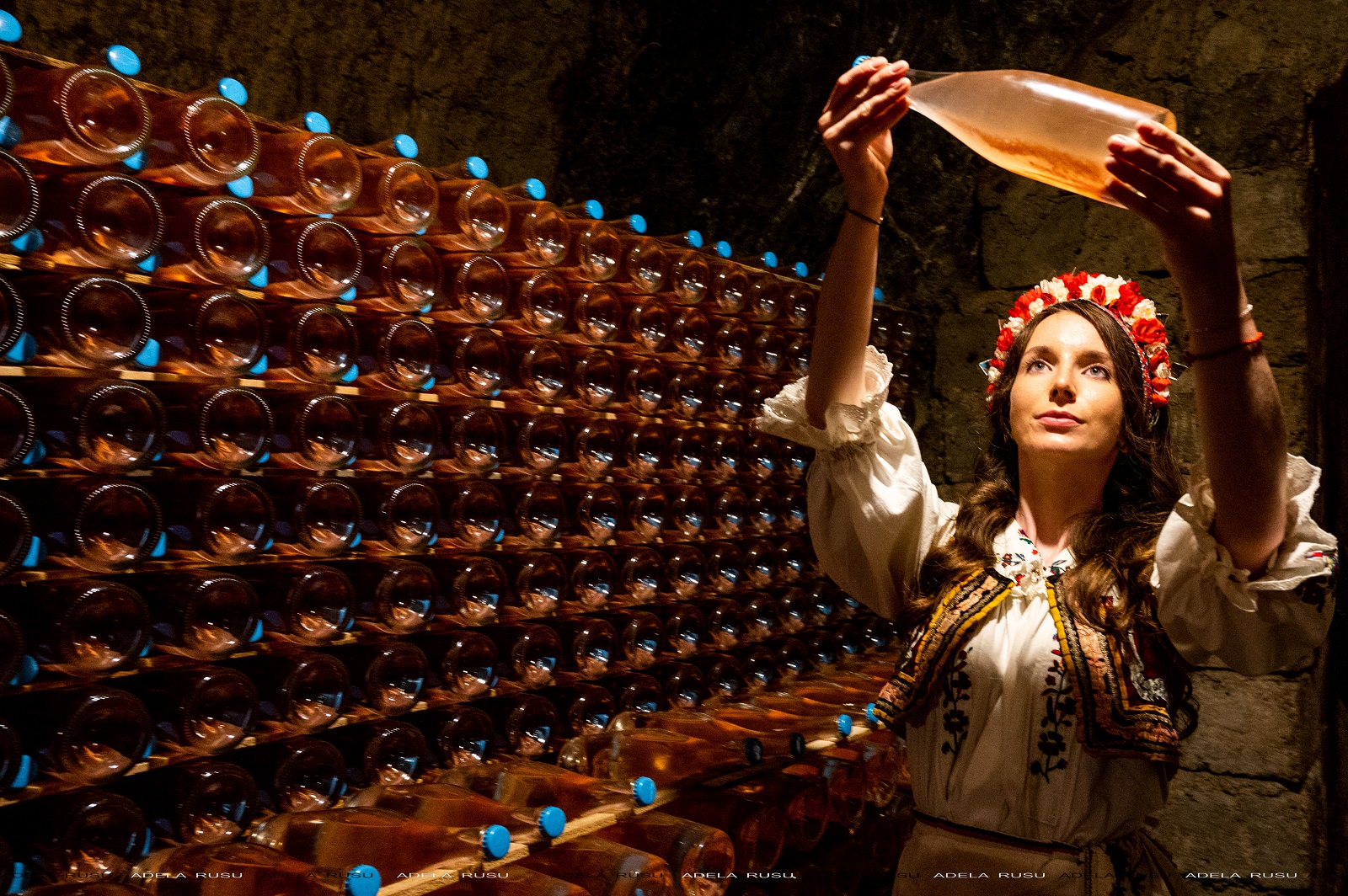
A visit to the underground wine cellars beneath Măgura Hill, consisting of approximately 3.5 kilometers of interconnected subterranean galleries. Traditionally used for wine storage, the cellars are also associated with the production of local sparkling wine, reflecting a long-standing regional tradition of underground aging and winemaking.
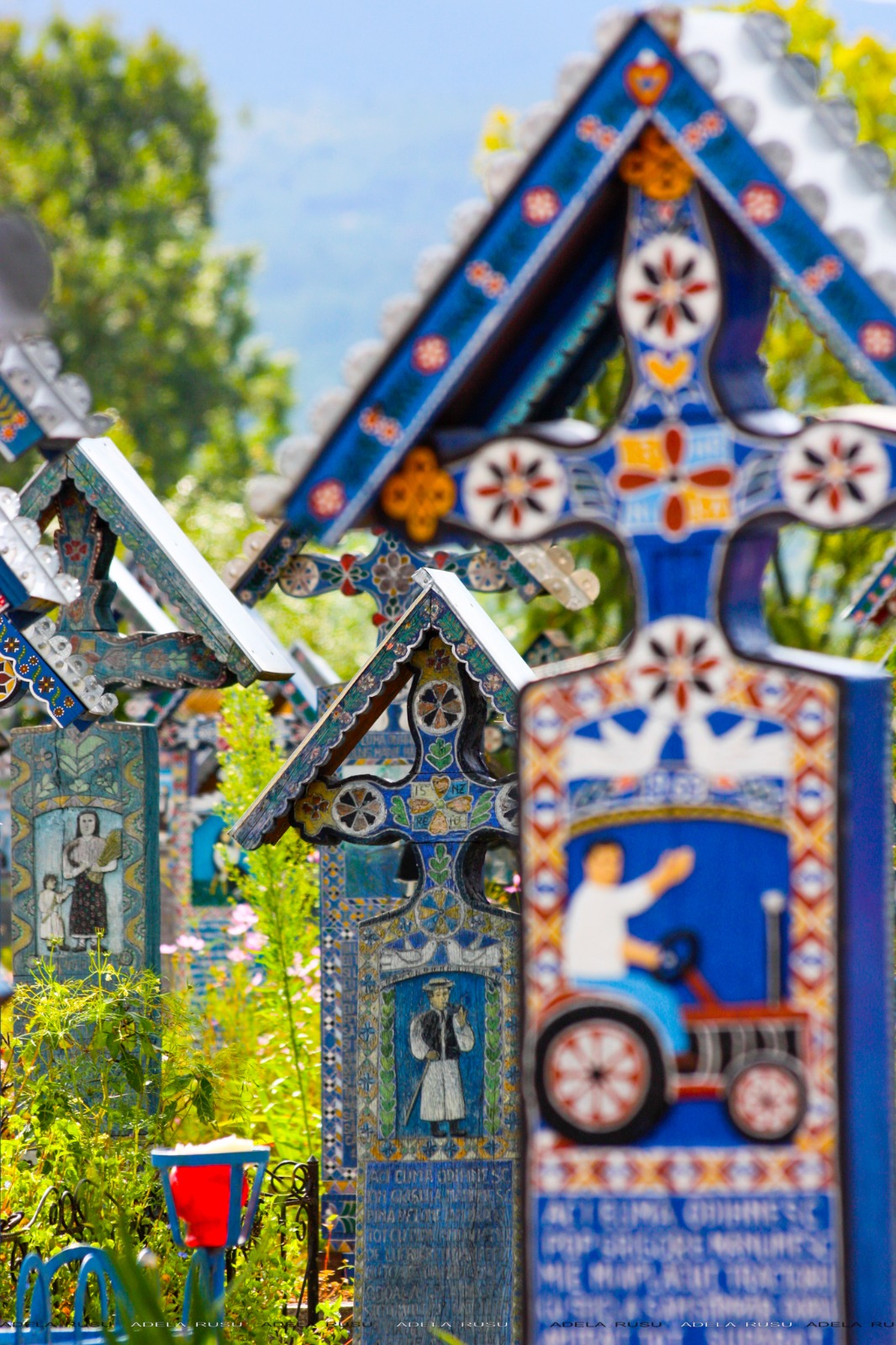
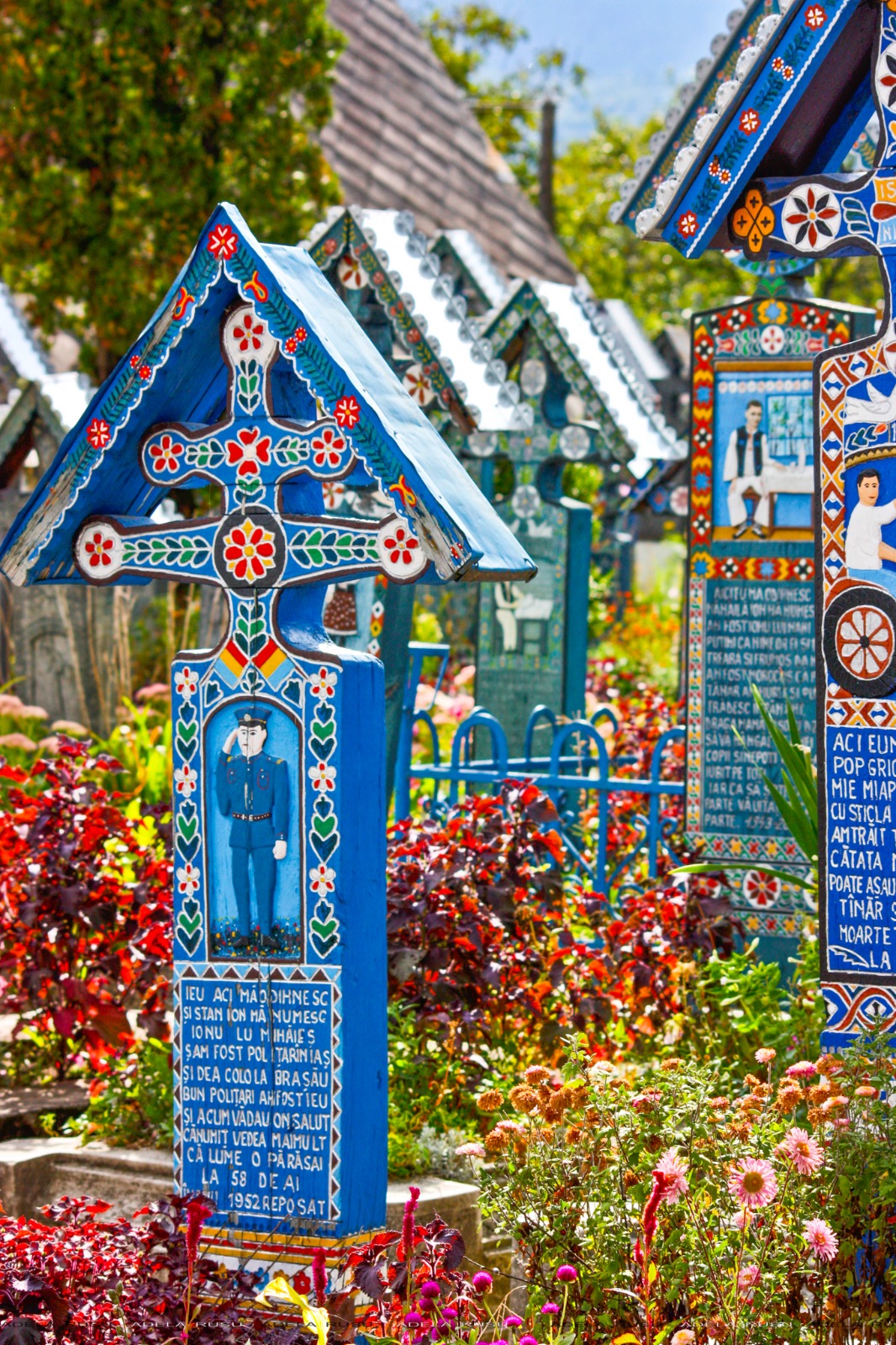
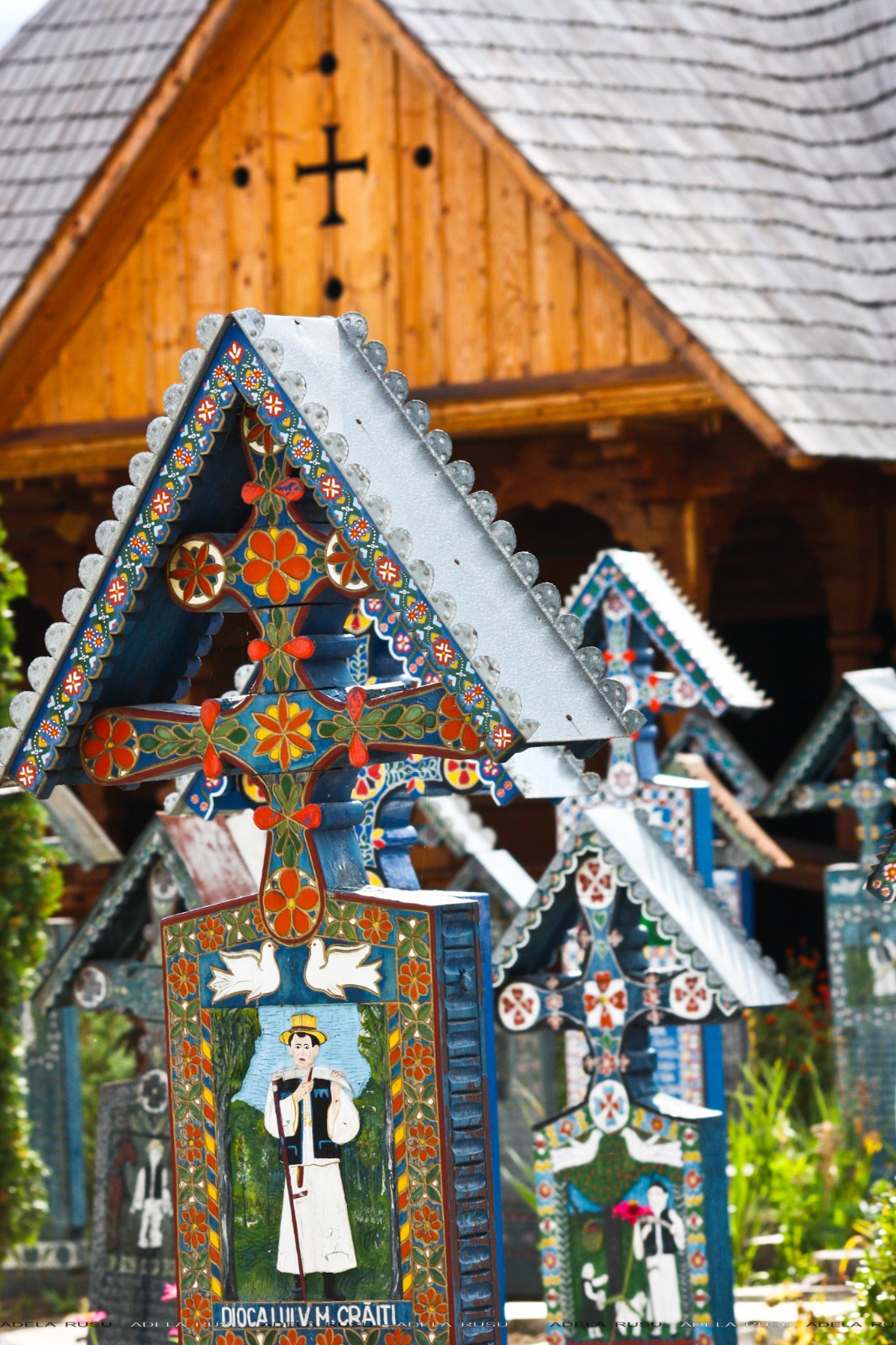
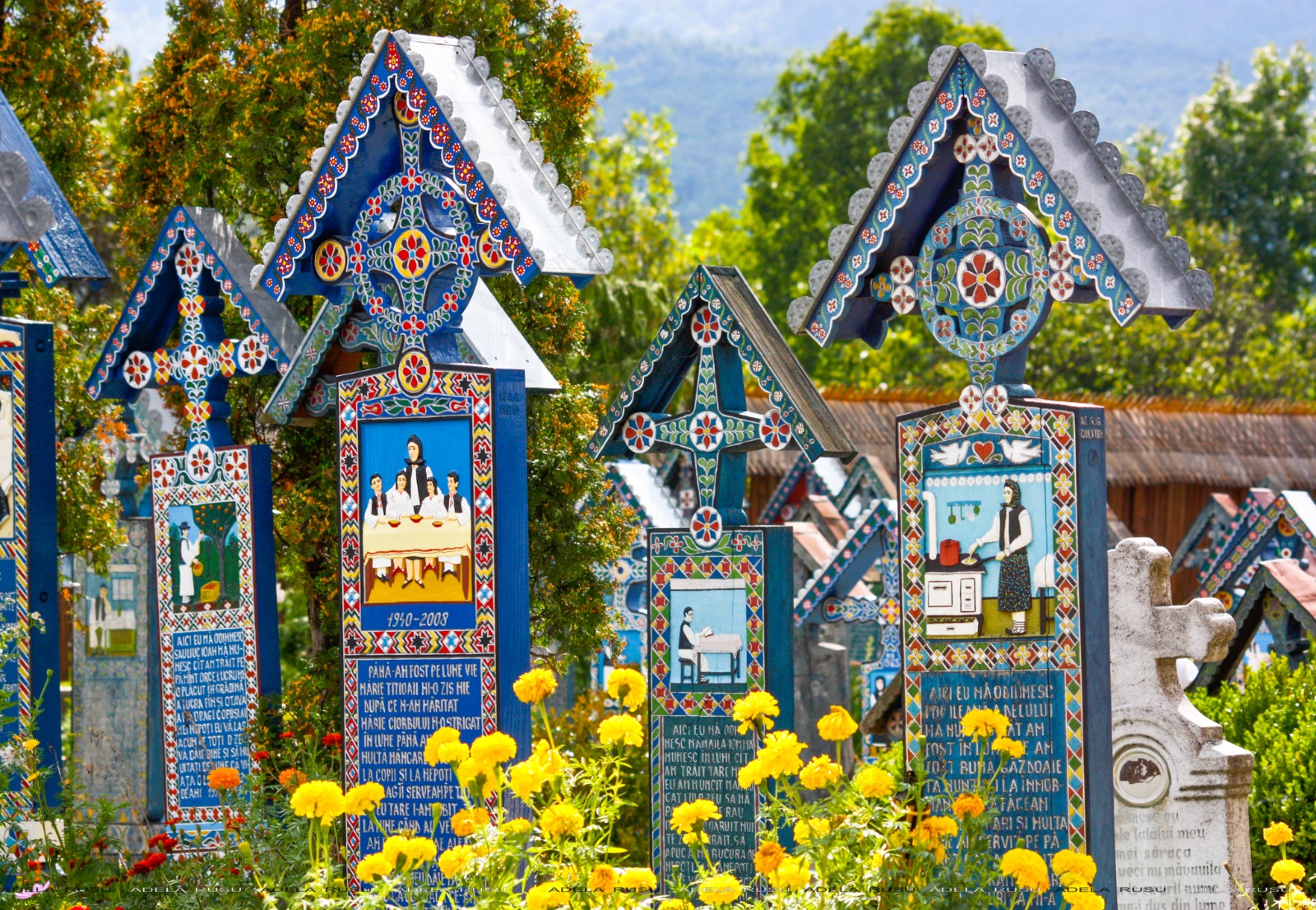
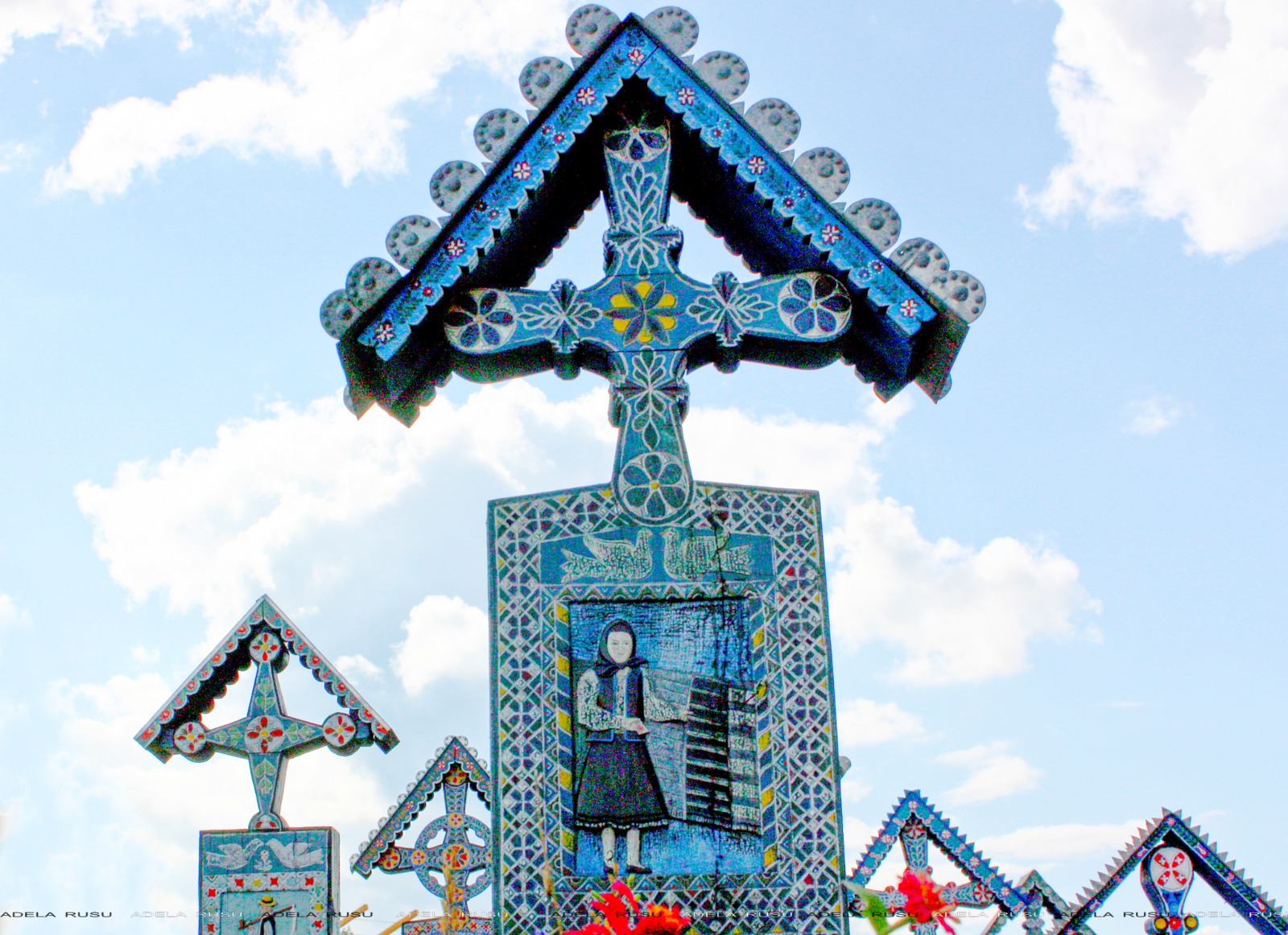
A unique cemetery known for its brightly painted wooden crosses and humorous, poetic epitaphs that depict scenes from the lives of the deceased. The Merry Cemetery reflects a distinctive local worldview in which death is approached with irony, storytelling, and vivid color, making it a powerful expression of Maramureș cultural identity.
A visit to a local craftsman who continues the tradition of carving wooden crosses specific to Săpânța. The workshop offers insight into traditional techniques, symbolic motifs, and the craftsmanship behind the iconic crosses that define the cultural and spiritual identity of the village.
A traditional Maramureș restaurant hosting a special lunch centered on fresh trout dishes, prepared according to local recipes. The meal highlights regional culinary traditions and offers an authentic taste of local gastronomy in a rural setting.
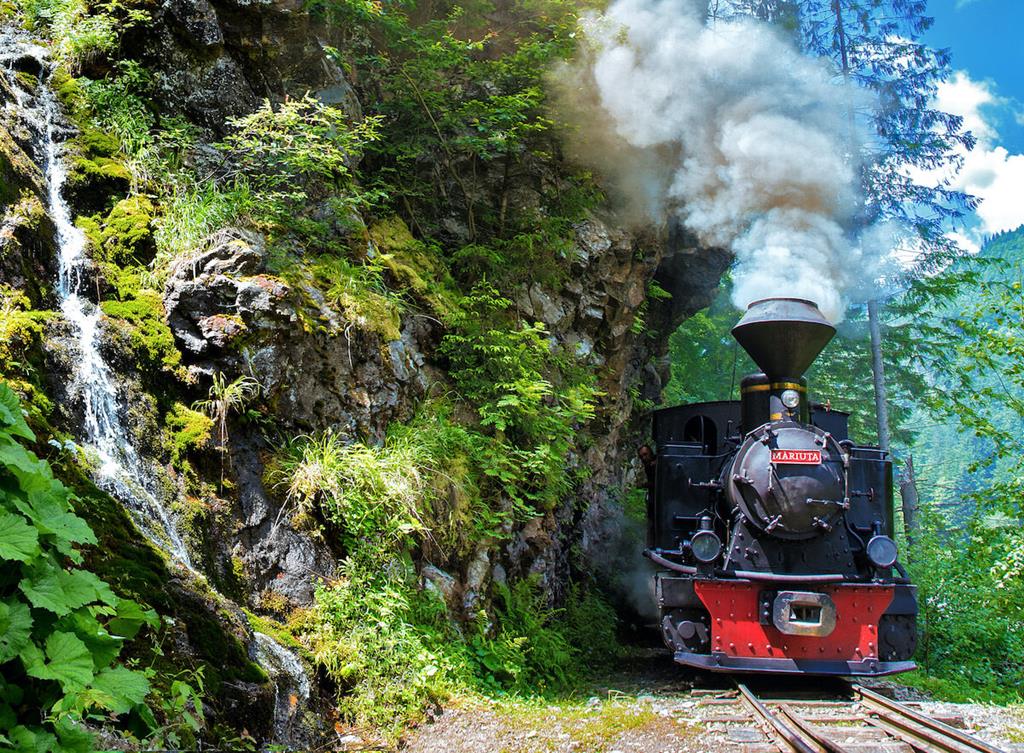
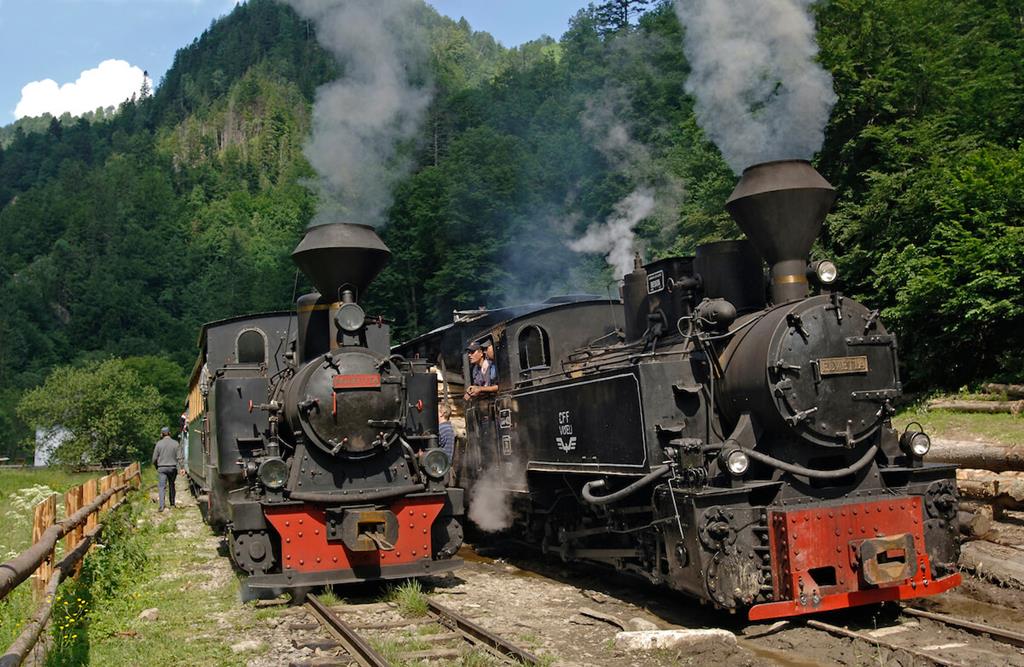
• travel and railway photography • steam train action and movement • landscape photography in Vaser Valley • wide-angle and telephoto techniques • documentary storytelling • atmosphere, details, and vintage elements
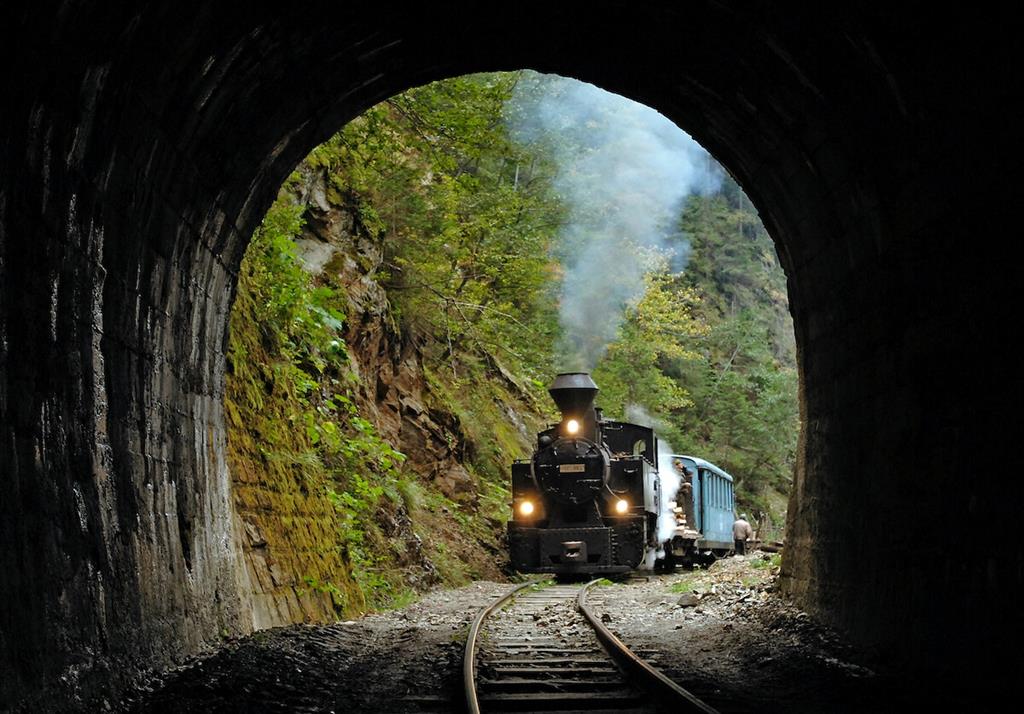
A journey aboard the historic narrow-gauge steam train through the Vaser Valley, offering access to remote mountain landscapes and preserved industrial heritage. The experience includes a traditional lunch served high in the mountains, in a natural setting, completing the immersion in the local environment and rural mountain life
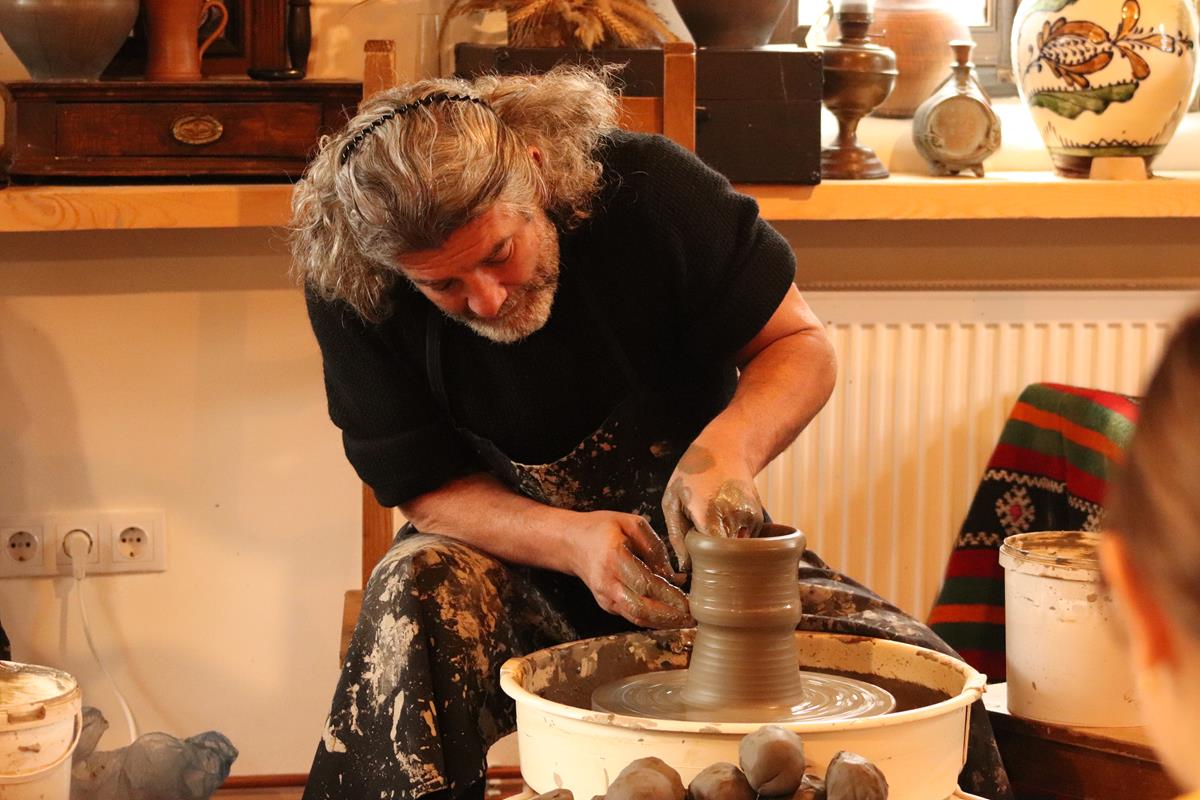
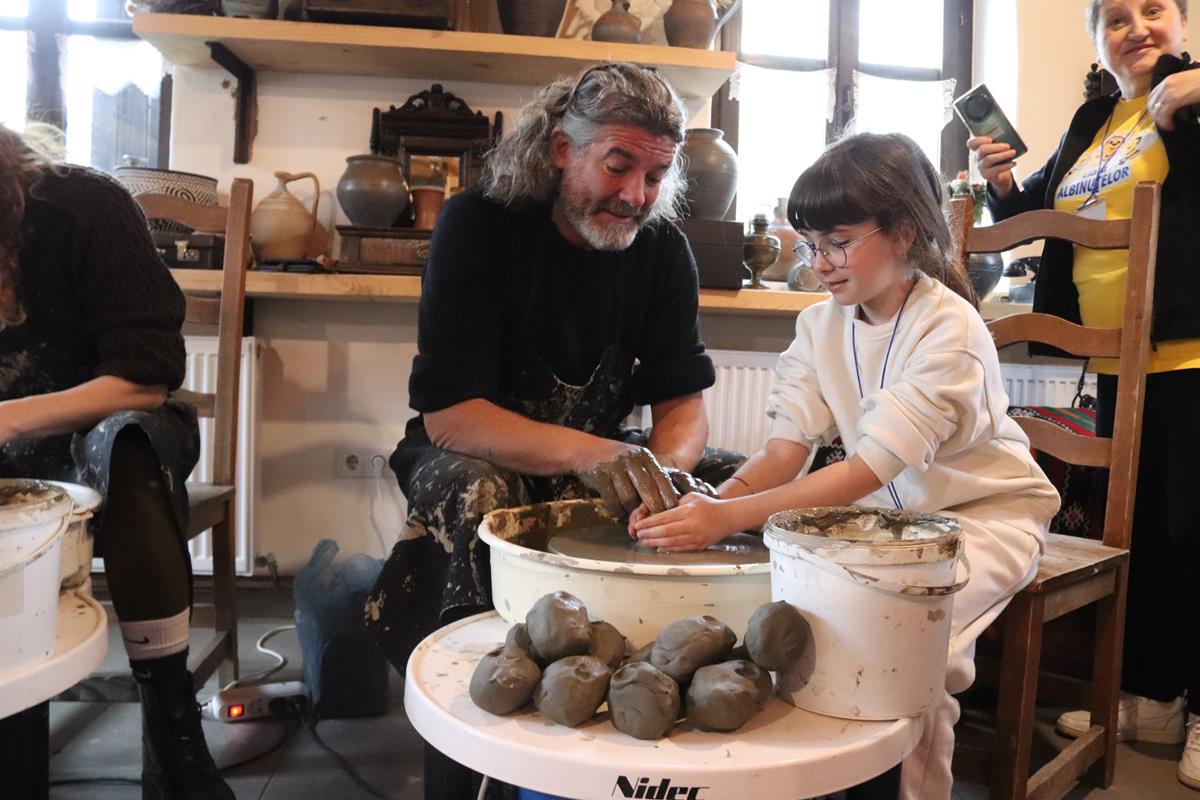
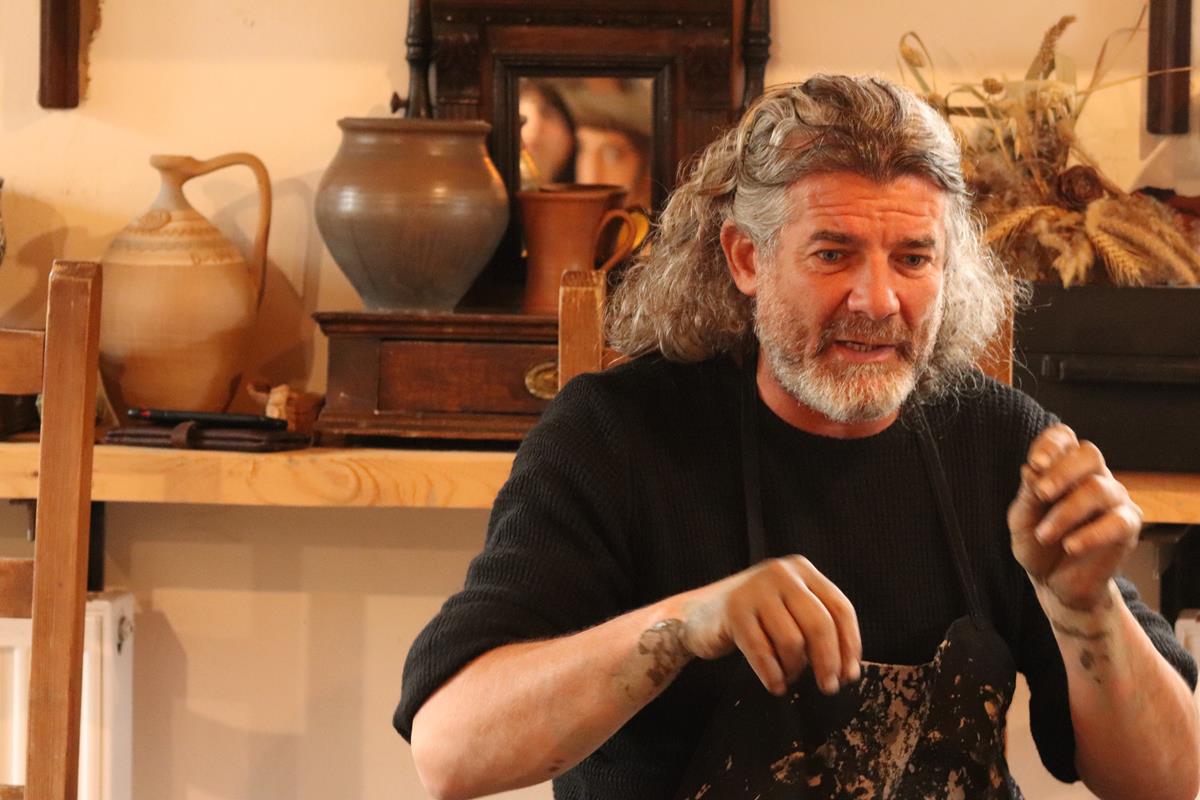
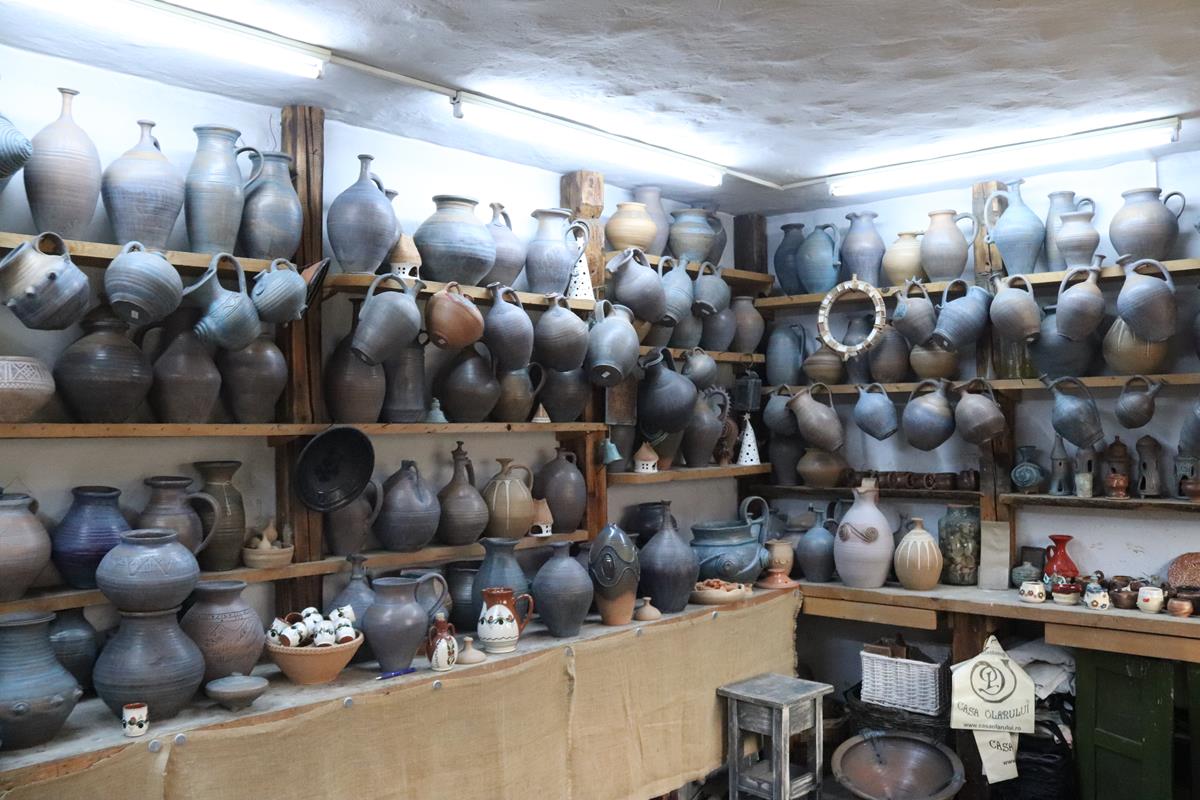
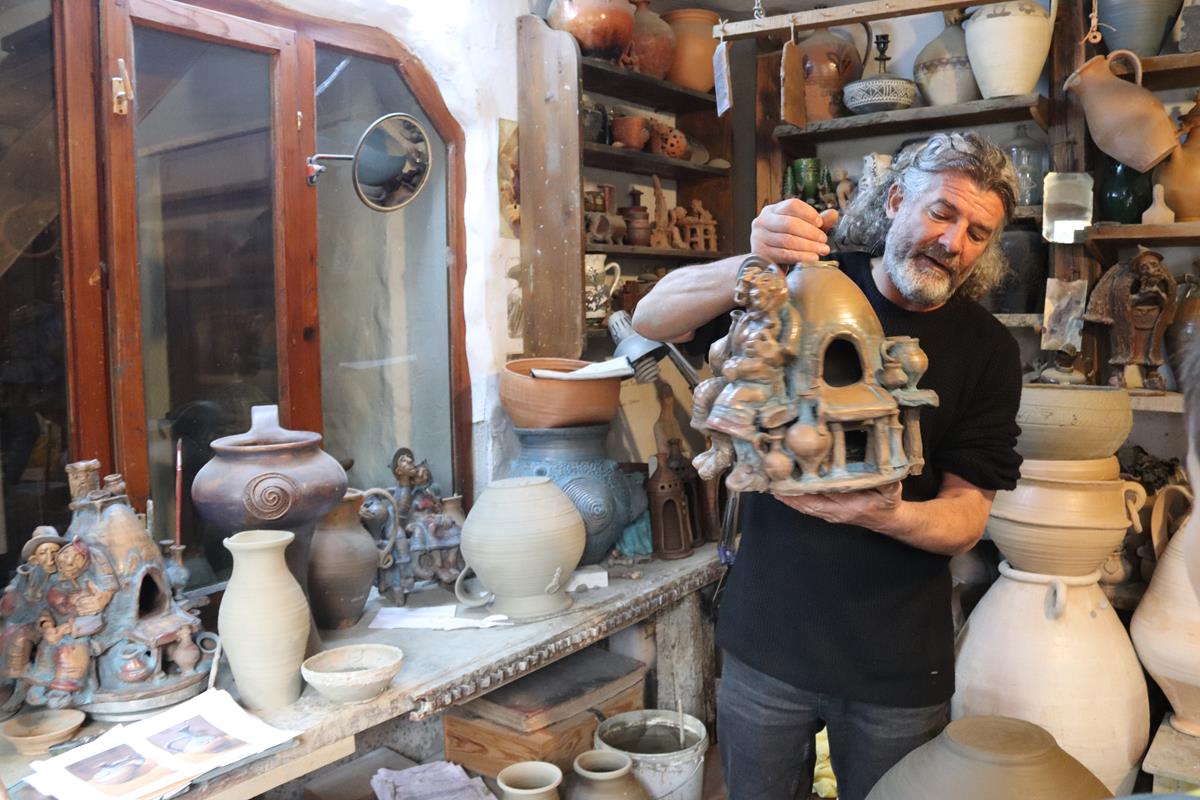
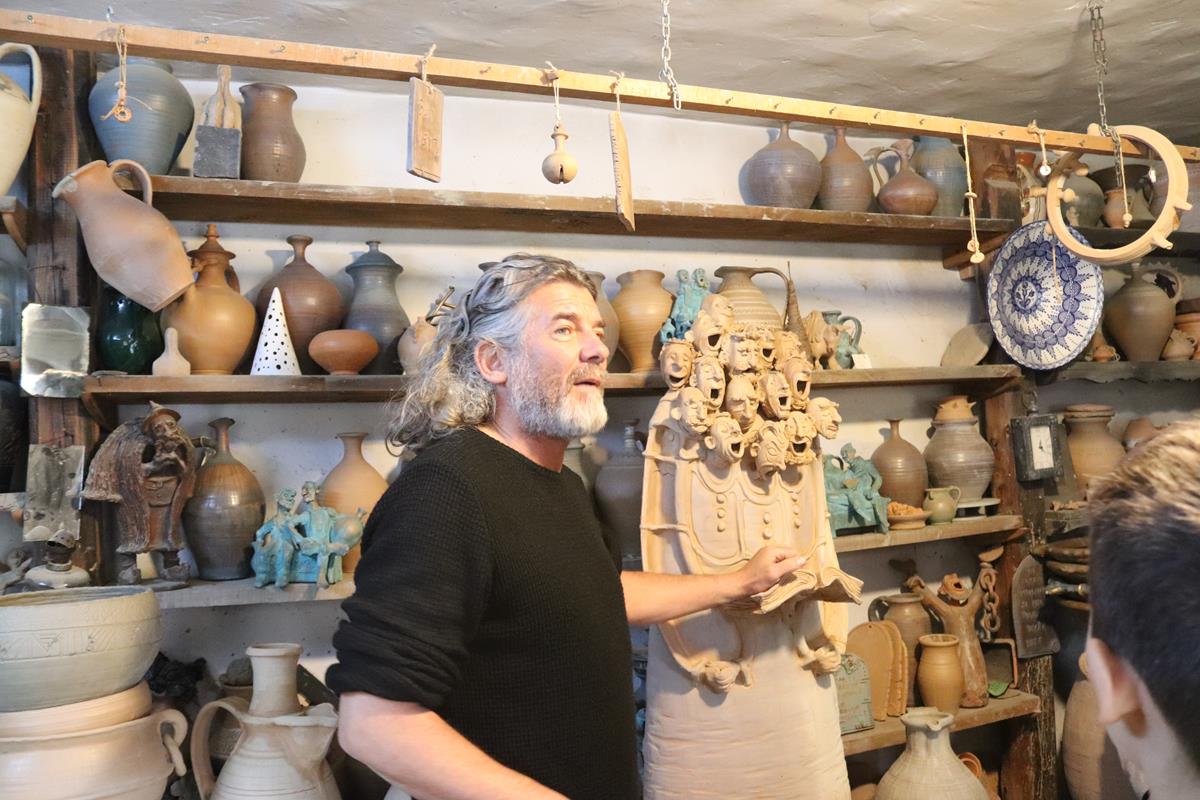
A visit to the workshop of Daniel Leș, a local potter from Baia Sprie, dedicated to traditional ceramic techniques and handmade pottery. The meeting offers insight into clay preparation, shaping, and firing processes, reflecting the continuity of craft traditions and the role of pottery in local cultural identity.
An open-air ethnographic museum showcasing traditional wooden houses, churches, and household structures from Maramureș and surrounding regions. The museum preserves rural architecture, crafts, and everyday life, offering a clear overview of regional traditions and vernacular culture.
• architectural and interior photography • light, form, and composition • spiritual atmosphere and details
• relaxation, leisure, and lifestyle imagery
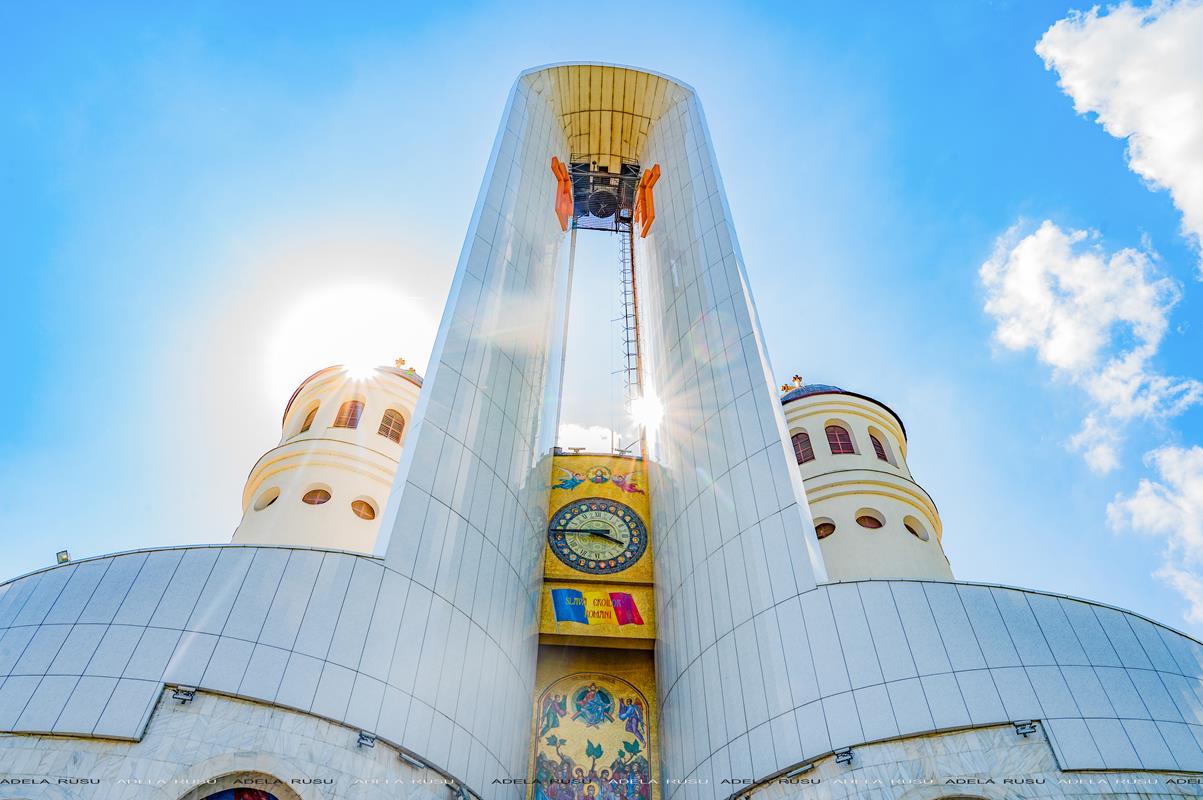
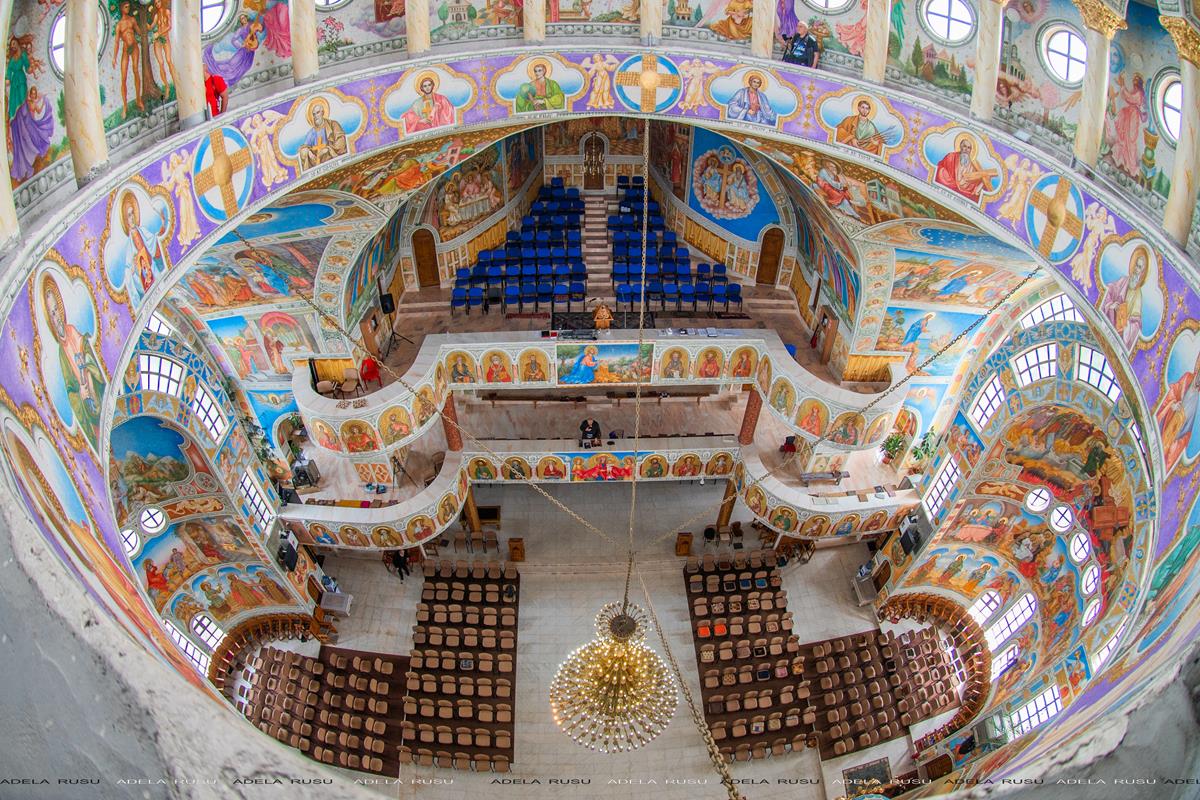
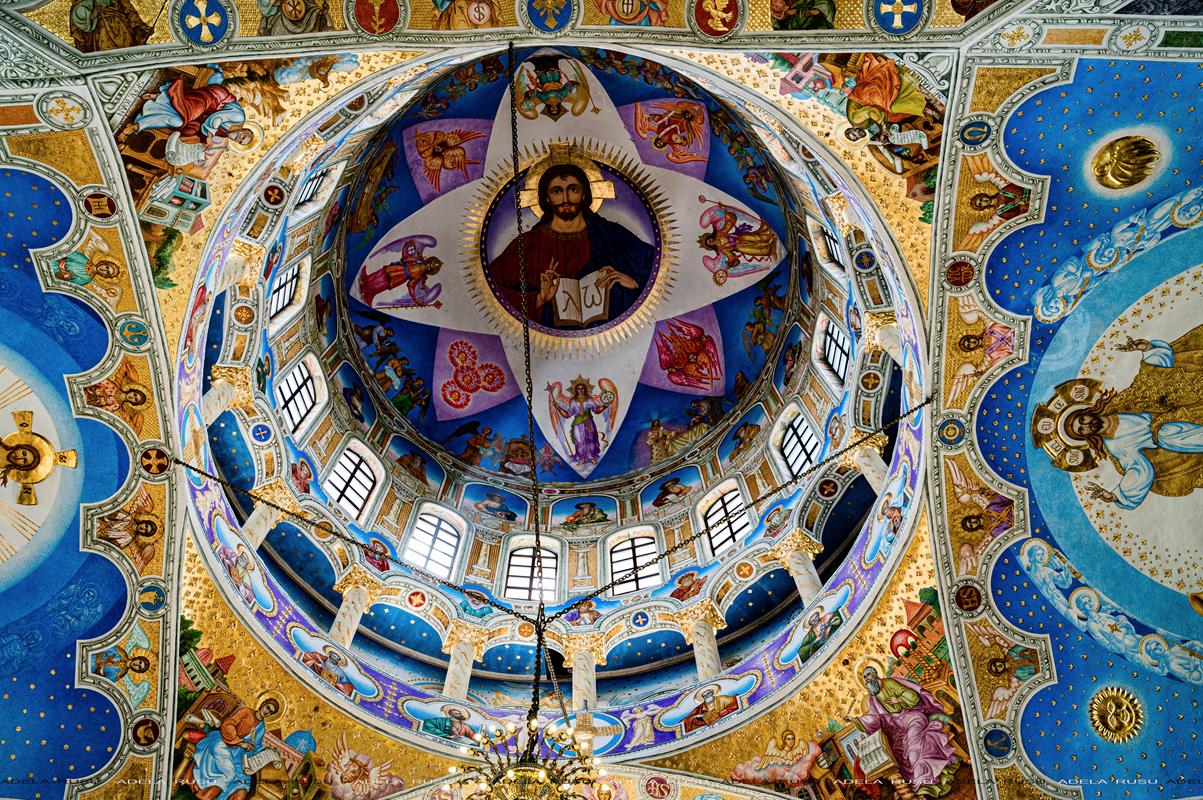
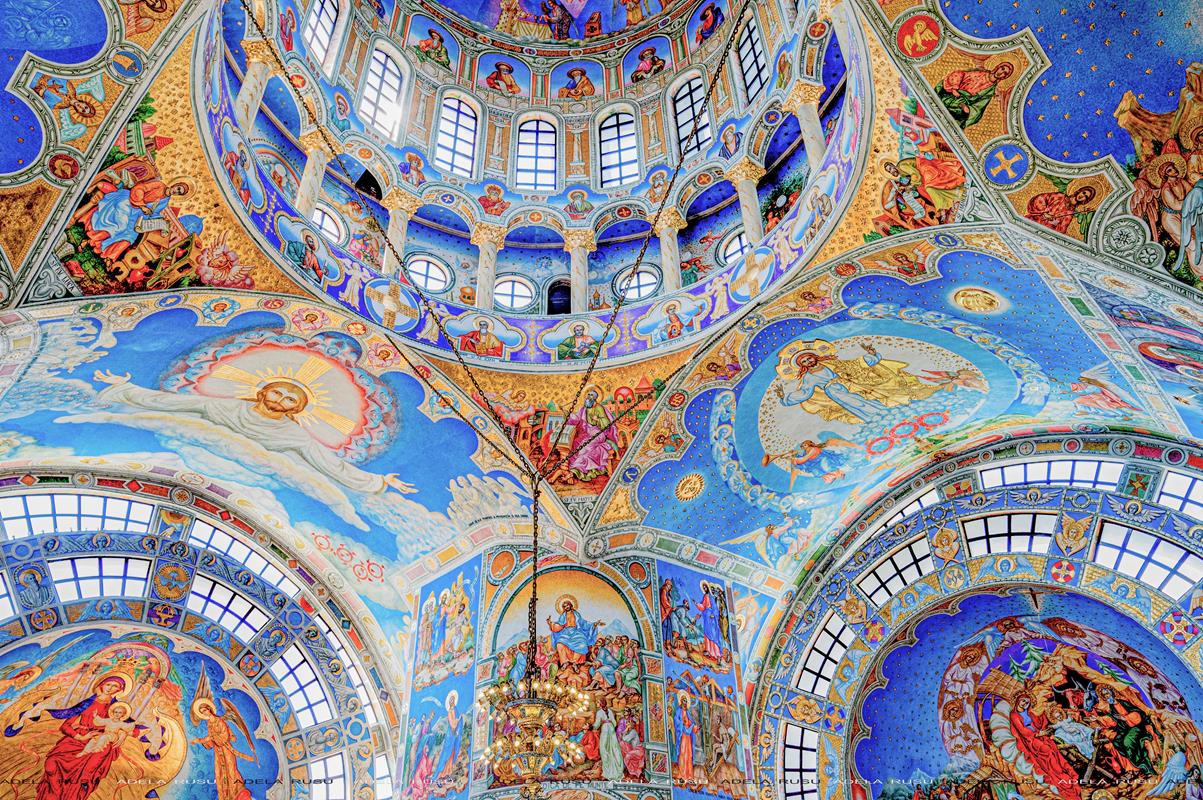
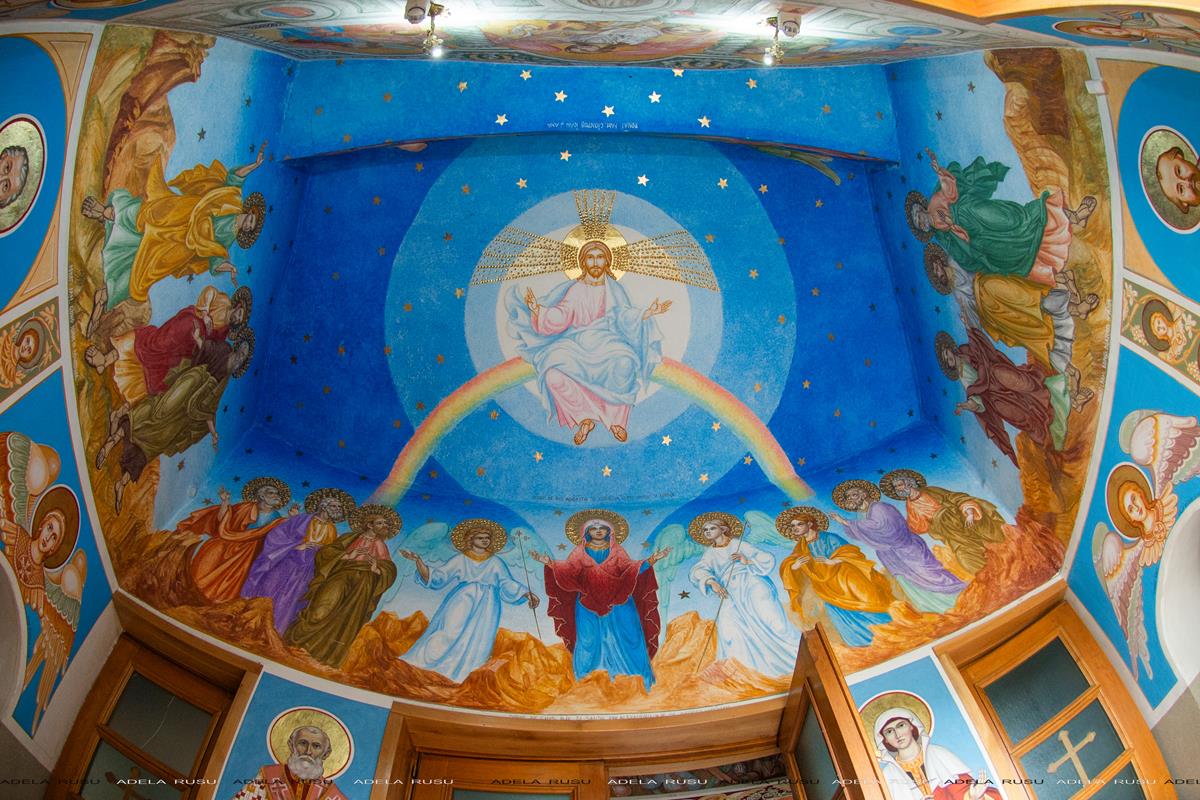
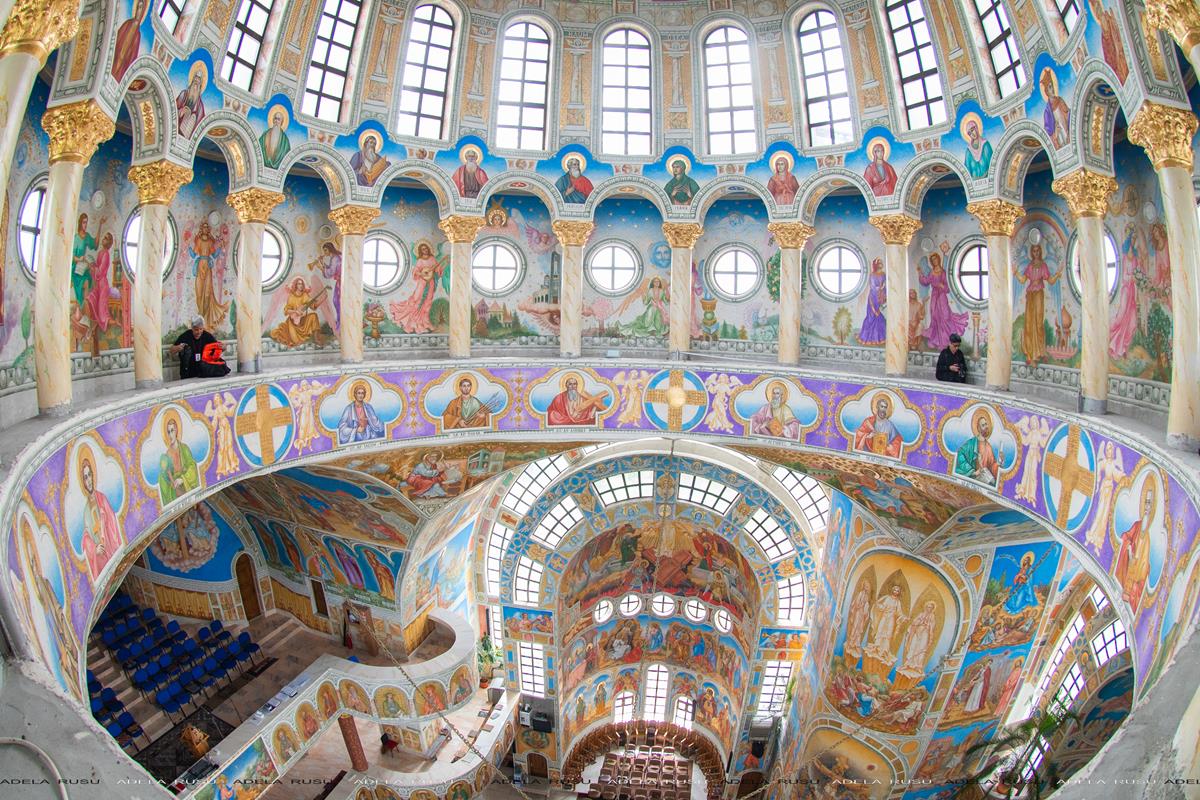
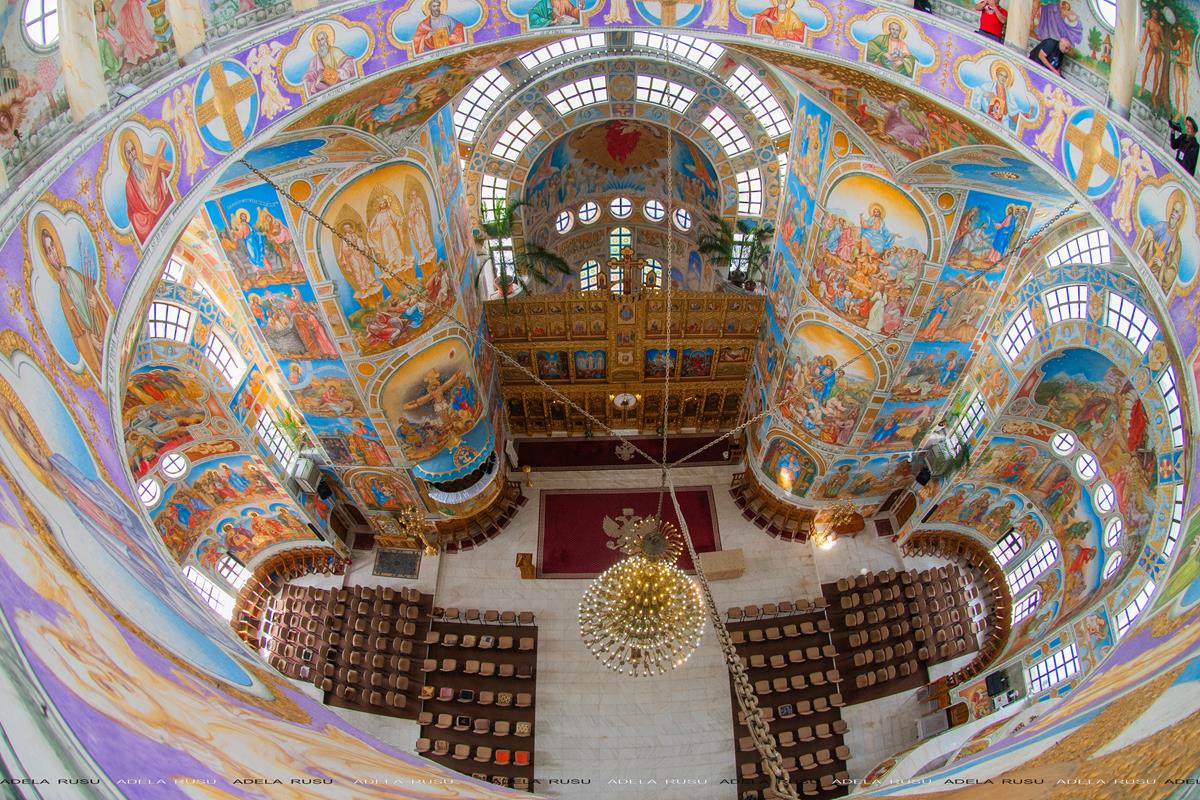
The main Orthodox cathedral of Zalău, a prominent religious landmark combining traditional Orthodox elements with modern architectural features. The cathedral serves as an important spiritual and community center, reflecting contemporary religious life in the city while maintaining strong links to local tradition.
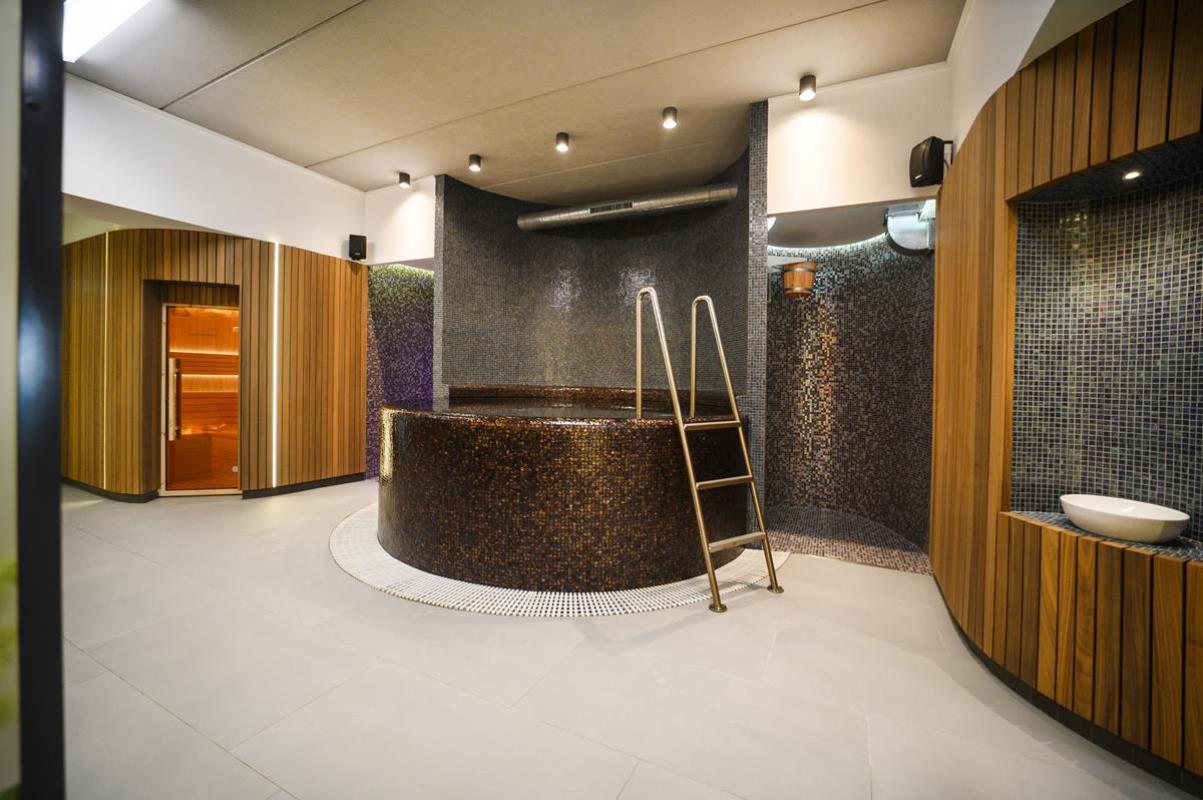
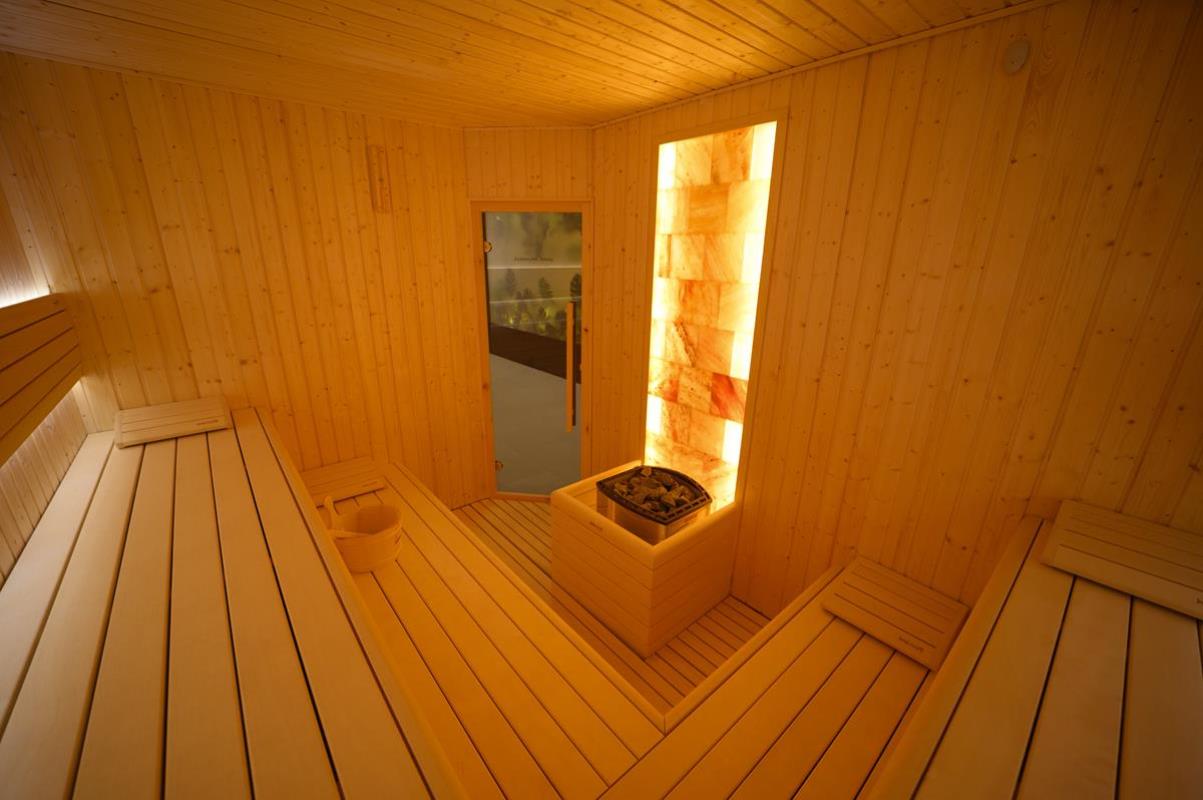
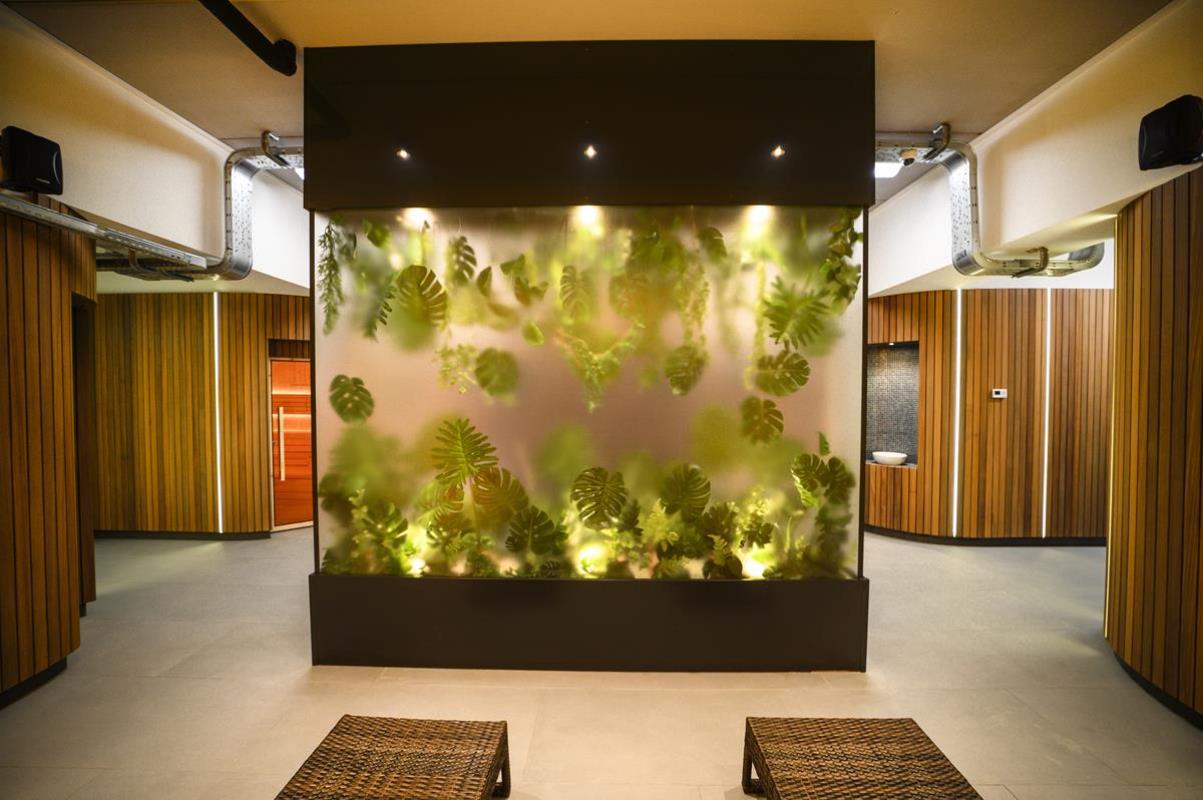
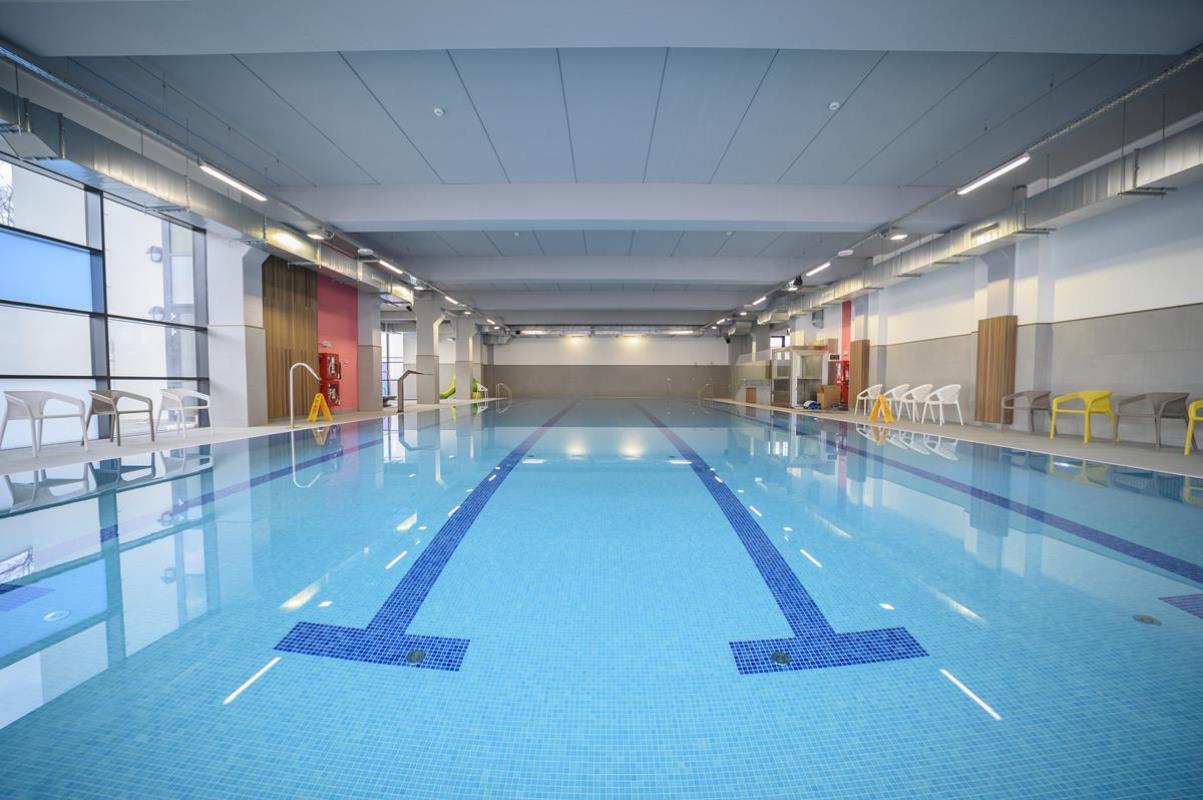
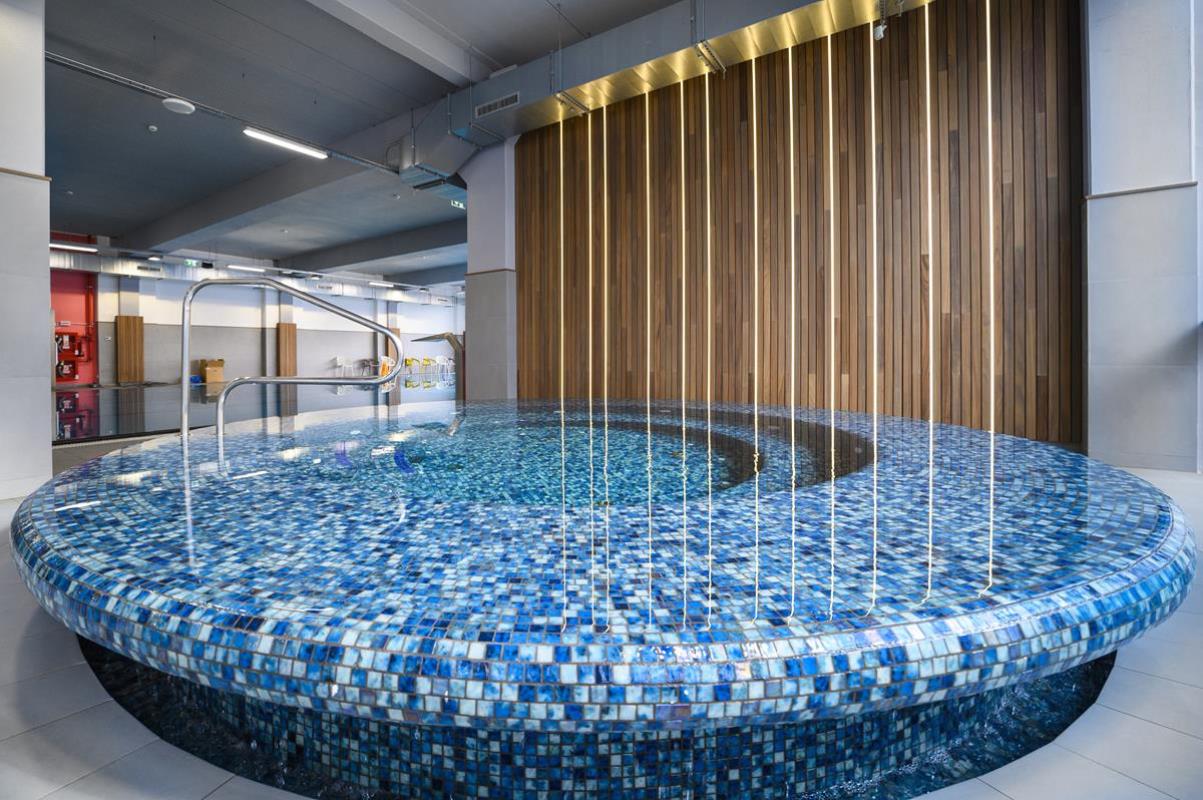
A modern wellness and spa center offering relaxation facilities such as pools, saunas, and spa treatments in a contemporary setting. The location provides a calm contrast to the cultural and historical visits, focusing on rest, comfort, and well-being at the end of the journey.
A formal closing dinner held at Hotel Griff, bringing the group together in an elegant setting. The evening marks the conclusion of the program, offering a moment of reflection, shared experiences, and celebration of the journey.
Over the course of these days, we explored landscapes, communities, traditions, and stories through photography — from remote villages and cultural heritage sites to personal encounters and moments of quiet observation. Each location offered a new perspective, helping us build stronger visual narratives and a deeper connection with place. Thank you for your curiosity, openness, and creative energy. Your images, questions, and shared experiences turned this journey into more than a workshop — into a meaningful photographic story we created together.
It’s a big World out there. Go explore it.
Meaningful journeys. Places with soul.
Unique experiences. Personally guided.
Private tours and premium cultural-historical or culinary experiences.